

Bed bugs are among the most frustrating pests a homeowner can encounter. They are small, they hide exceptionally well, and they can turn a bedroom into a place where nobody feels comfortable sleeping. If you suspect bed bugs in your Tulsa-area home, knowing what to look for can help you respond quickly. A Tulsa exterminator can inspect suspicious areas, identify the insects, and explain what treatment may be needed.
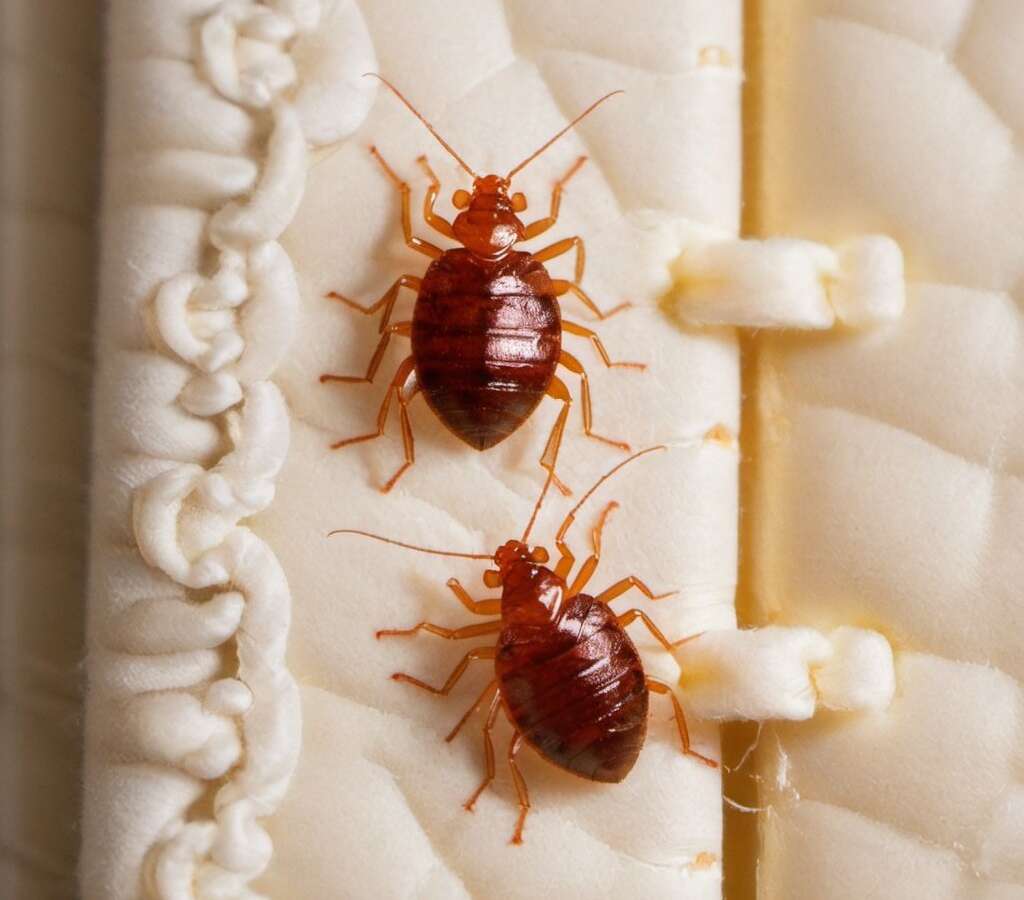
Adult bed bugs are flat, oval insects, generally about the size of an apple seed. They are reddish brown, wingless, and built to squeeze into narrow spaces. After feeding, their bodies become more swollen and elongated. Young bed bugs, called nymphs, are smaller and may be pale or nearly translucent before they feed. Their appearance changes as they grow and take blood meals.
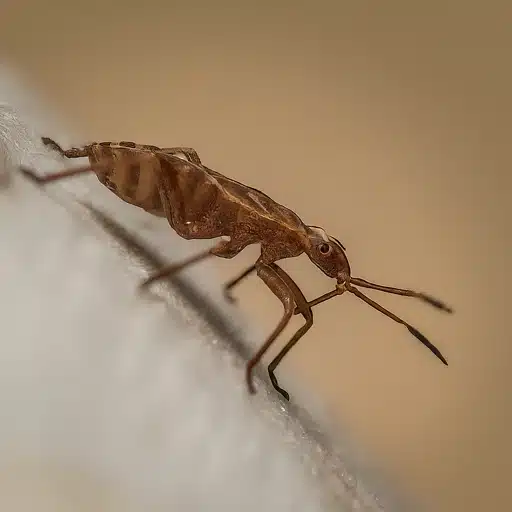
Bed bugs are sometimes confused with ticks, carpet beetles, or other small household insects. A photograph may help with an initial assessment, but a physical specimen is often more useful for accurate identification. If you find an insect you suspect is a bed bug, try to capture it without crushing it. A pest professional can help determine whether it is actually the pest you are worried about.
Despite their name, bed bugs are not limited to mattresses. They often stay near places where people sleep or rest, because they feed on blood and need access to a host. Common hiding places include mattress seams, box springs, bed frames, headboards, and cracks in nearby furniture.
As an infestation grows, bed bugs may spread into baseboards, upholstered furniture, wall crevices, and other protected locations. Their flattened bodies allow them to fit into gaps that are easy to overlook. A bedroom can look clean and still have bed bugs. These insects are not a reliable sign of poor housekeeping, and even a carefully maintained home can develop an infestation.
One clue is the presence of live insects. Another is small dark spots left by bed bug droppings on mattress seams, sheets, furniture, or nearby surfaces. You might also find shed skins, pale eggs, or tiny eggshells. In some cases, people notice rusty or reddish stains on bedding where a fed insect has been crushed.
Bites can raise suspicion, but they are not enough to confirm bed bugs. Different people react differently to bites. Some develop itchy welts, while others show little or no visible reaction. The marks may resemble bites from mosquitoes or other insects, and skin irritation can have causes unrelated to pests. Finding actual insects or physical evidence is much more dependable than trying to diagnose an infestation from bite patterns alone.
Bed bugs usually feed while people are sleeping, although they can feed at other times when a host is available. They use piercing mouthparts to draw blood and then return to hiding places. They do not live permanently on people the way some other parasites live on their hosts.
Bed bugs develop from eggs through several nymph stages before reaching adulthood. Young bed bugs generally need a blood meal before progressing to the next stage. Under favorable conditions, populations can increase over time, especially when an infestation goes unnoticed. Their ability to hide and survive between meals is one reason they can be difficult to eliminate without a coordinated plan.
Bed bugs commonly travel as hitchhikers. They may be carried in luggage, clothing, used furniture, or other belongings. Hotels, apartments, dormitories, and other places with frequent movement of people and possessions can provide opportunities for insects to move from one location to another.
Finding bed bugs does not mean someone has done something wrong. What matters is identifying the problem and preventing further spread. Before bringing secondhand furniture into your home, inspect seams, joints, and hidden surfaces carefully. After traveling, examine luggage and keep suspicious belongings separate until you can inspect them.
Start by avoiding unnecessary movement of bedding, furniture, and other items between rooms. Moving infested belongings without a plan can spread insects into new areas. Keep any captured specimens for identification and make a note of where you found them. You can also inspect mattress seams, the bed frame, and furniture near the bed, using a flashlight to see into tight spaces.
Do not rely on bug bombs or foggers as a complete solution. They may fail to reach insects hiding deep in cracks, and misuse can create safety hazards. Avoid applying pesticides directly to mattresses, people, or pets unless the product label specifically allows that use. Follow every label direction, and ask a professional about appropriate treatment options.
A thorough inspection helps determine whether bed bugs are present and how far they have spread. A Tulsa exterminator can look beyond the obvious areas and recommend a treatment plan based on the situation. Depending on the infestation, control may involve targeted insecticide applications, heat-based methods, vacuuming, encasements, and follow-up visits. No single approach is right for every property.
Bed bug control often requires patience because eggs and hidden insects can escape an initial treatment. Follow-up inspections are important for checking progress and addressing remaining activity. Homeowners also play a role by following preparation instructions and avoiding actions that could spread the infestation.
If you are finding suspicious insects, dark spotting around your mattress, or other signs of bed bugs, do not wait for the problem to become larger. TermMax Pest Control helps homeowners in the Tulsa area identify pest problems and discuss effective treatment options. Contact us to schedule an inspection and find out what steps make sense for your home. A good Tulsa exterminator can help you move from uncertainty to a clear plan.