

# Keeping Wasps Away From Patios and Entryways | Tulsa Pest Control
Your backyard should be a place to relax, not a place where everyone watches for stinging insects. Wasps can become especially noticeable around patios, decks, outdoor kitchens, and front doors during warm weather. Some are simply passing through while hunting other insects. Others may be collecting food for a nearby colony. Understanding the difference helps homeowners decide when prevention is enough and when Tulsa Pest Control services may be needed.
## What Attracts Wasps to Outdoor Spaces?
Wasps visit yards for several reasons. Flowering plants can provide nectar, while other insects provide food for developing wasp larvae. Open soda cans, uncovered desserts, greasy food scraps, and overflowing trash can attract scavenging species, particularly yellowjackets.
## Watch Their Flight Patterns
One wasp hovering near a picnic table does not necessarily mean a nest is on your property. Repeated flights to the same roof gap, fence post, or hole in the soil are more informative. From a safe distance, watch whether insects consistently disappear into one location.
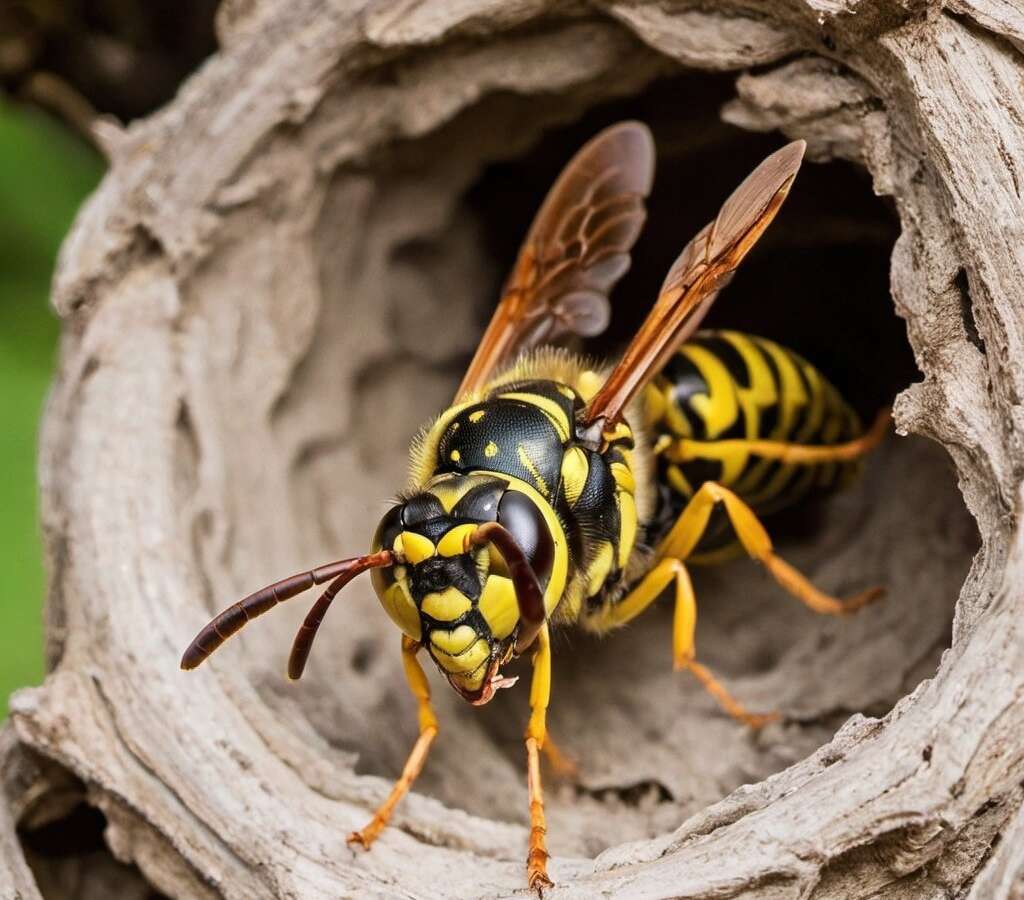
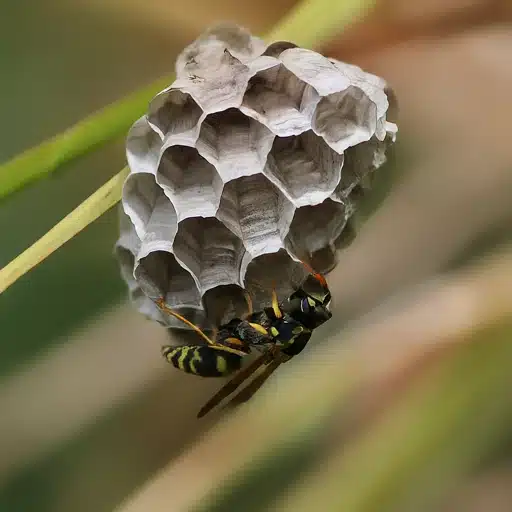
Different species nest in different places. Paper wasps may build exposed combs beneath porch roofs or deck rails. Yellowjackets sometimes nest underground or in wall voids. Other social wasps create larger enclosed paper nests in trees and shrubs. Identifying the species and nest location is important before deciding how to respond.
## Simple Prevention Around Patios
Start with food and trash management. Cover serving dishes during cookouts, clear plates promptly, and rinse recycling containers that held sweet drinks. Keep trash lids secure and clean residue from the outside of bins. Position garbage containers away from dining and play areas when possible.
Inspect doors and window screens so insects are less likely to enter the house. Repair damaged weatherstripping and obvious gaps, but do not close a hole if wasps are actively using it as a nest entrance. Sealing an occupied wall cavity can force insects into unexpected areas indoors.
## When a Nest Becomes a Concern
A nest high in a distant tree may pose little immediate risk if nobody approaches it. A nest beside the front door, under a frequently used deck, or near children’s play equipment is different. Wasps may defend their colony when they perceive a threat, and some species can sting repeatedly.
Do not shake branches, strike a nest, or try to flood an underground entrance. Never use gasoline, fire, or improvised chemical mixtures. These methods are dangerous and can cause the insects to swarm. If someone has a known severe sting allergy, be especially cautious around suspected nesting areas.
## How Professional Wasp Control Works
A Tulsa Pest Control technician can inspect the property, identify likely nesting sites, and determine whether treatment is warranted. The approach depends on the species, nest location, and surrounding conditions. An exposed nest beneath an eave requires a different plan from a colony inside a wall.
Professional treatment may involve targeted applications using products labeled for the specific site. Technicians also consider access, nearby electrical fixtures, people, and pets. Following label instructions and keeping the treatment area clear are essential parts of safe service.
## Keep Checking Through the Season
TermMax Pest Control helps Tulsa-area homeowners address wasp problems around homes and outdoor living spaces. If wasps are repeatedly gathering near your patio, doorway, or deck, contact us to discuss an inspection. With sensible prevention and the right Tulsa Pest Control approach, you can make outdoor time more comfortable.
Learn more from the [University of Minnesota Extension’s wasp guidance](https://extension.umn.edu/yard-and-garden-insects/wasps-and-bees) and the [EPA’s pesticide safety resources](https://www.epa.gov/safepestcontrol).