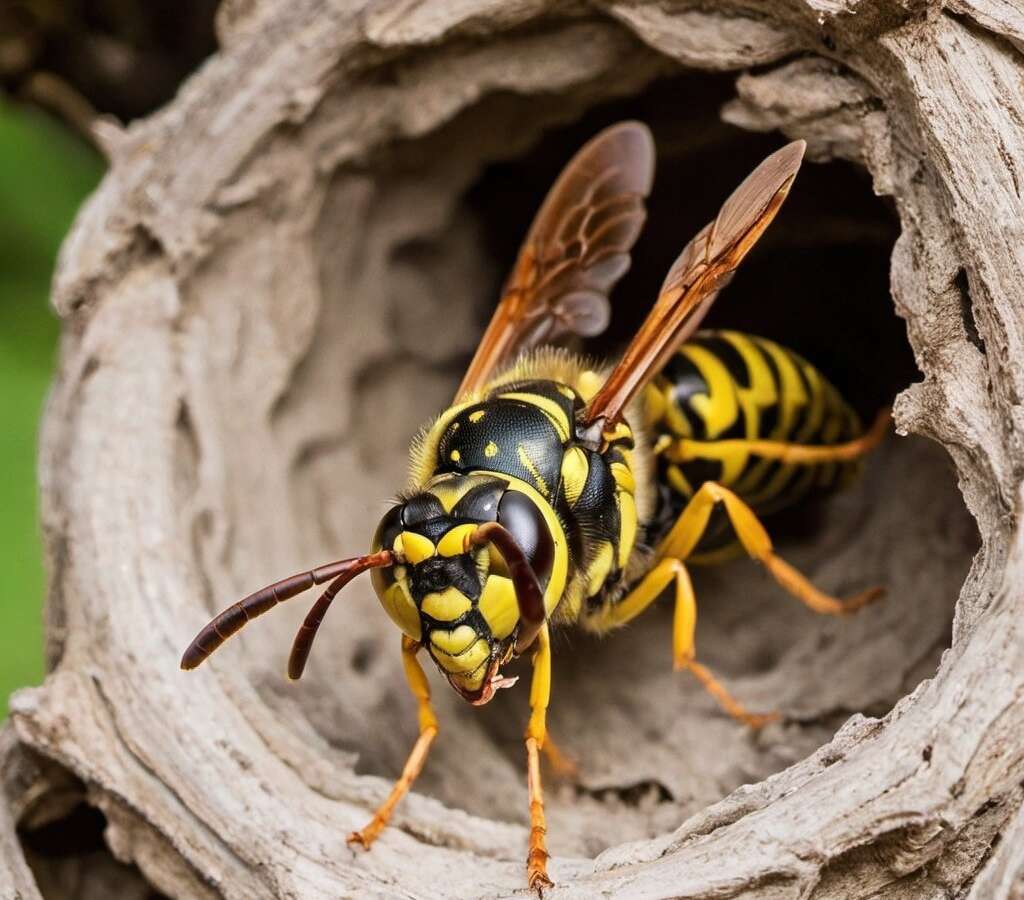

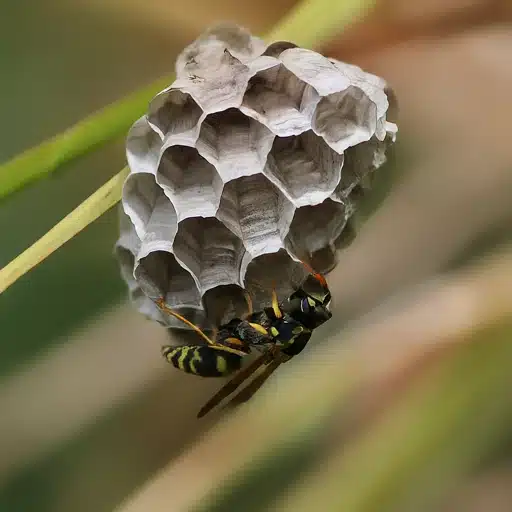

The summertime is full of lots of enjoyable things. We have picnics, baseball, and hanging out with friends. One of the things that we have to worry about are wasps. These stinging insects can build nests under eaves and around other protected areas near our homes, and they can sting you or your loved ones if you get too close to a nest. Some social wasps will aggressively defend their nests, so it’s important to be careful around them.
Contacting a good Tulsa Pest Control company can help you handle them. So let’s take a good look at wasps and what we can do to protect ourselves from them.
Wasps are stinging insects, and many species use their stingers to subdue prey. Adult wasps commonly feed on nectar and other sugary foods, while developing larvae need protein. Oklahoma State University Extension explains the biology, nesting habits, and management of wasps and other stinging insects.
Wasp species can generally be described as solitary or social. Social wasps, such as paper wasps, live together in colonies and build nests containing multiple cells. Solitary wasps, such as mud daubers, build individual nest cells for their developing young rather than maintaining a social colony.
After creating a nest cell, many solitary hunting wasps capture prey such as spiders or insects and paralyze it with their stinger. The prey is carried back to the nest as food for the developing larva. An egg is laid in the provisioned cell, and when it hatches, the larva feeds on the stored prey. Wasps go through complete metamorphosis: egg, larva, pupa, and adult.
Social wasps can strongly protect their nests. That’s why it’s important to use caution if you see an active nest near your home or in a high-traffic area and to contact a Tulsa Pest Control company when professional removal is appropriate. University of Minnesota Extension provides guidance on identifying wasps and deciding when nests around homes may need control.
While keeping problem nests away from our homes and high-traffic areas is important, wasps are also an important part of our ecosystem. Predatory wasps help control populations of other arthropods, and adult wasps that visit flowers for nectar can also contribute to pollination.
Because of this, it’s important that we’re taking care of wasps that are actually creating a pest or safety problem rather than eliminating wasps simply because they’re flying through the yard.
If you think you’re having a problem with wasps or any other pest, it’s time to call a good Tulsa Pest Control company that can help you. TermMax Pest Control is the best when it comes to dealing with stinging insects. Call us today.