

When we think about termites, the first images that often come to mind are of the destructive adult insects damaging our homes. However, understanding the life cycle of termites, particularly their young, is crucial for effective pest control and prevention strategies. In this article, we will explore the various stages of termite development, the role of these young termites in their colonies, and how companies like Broken Arrow Pest Control can help manage termite infestations.
The Life Cycle of Termites
Termites undergo a complex life cycle that includes several stages: egg, nymph, and adult. The journey begins when a queen termite lays eggs, which can number in the thousands depending on the species. After a few weeks, these eggs hatch into nymphs. This is the juvenile stage of termites, and it’s crucial to the growth and sustainability of the colony.
1. Nymphs: The Young Termites
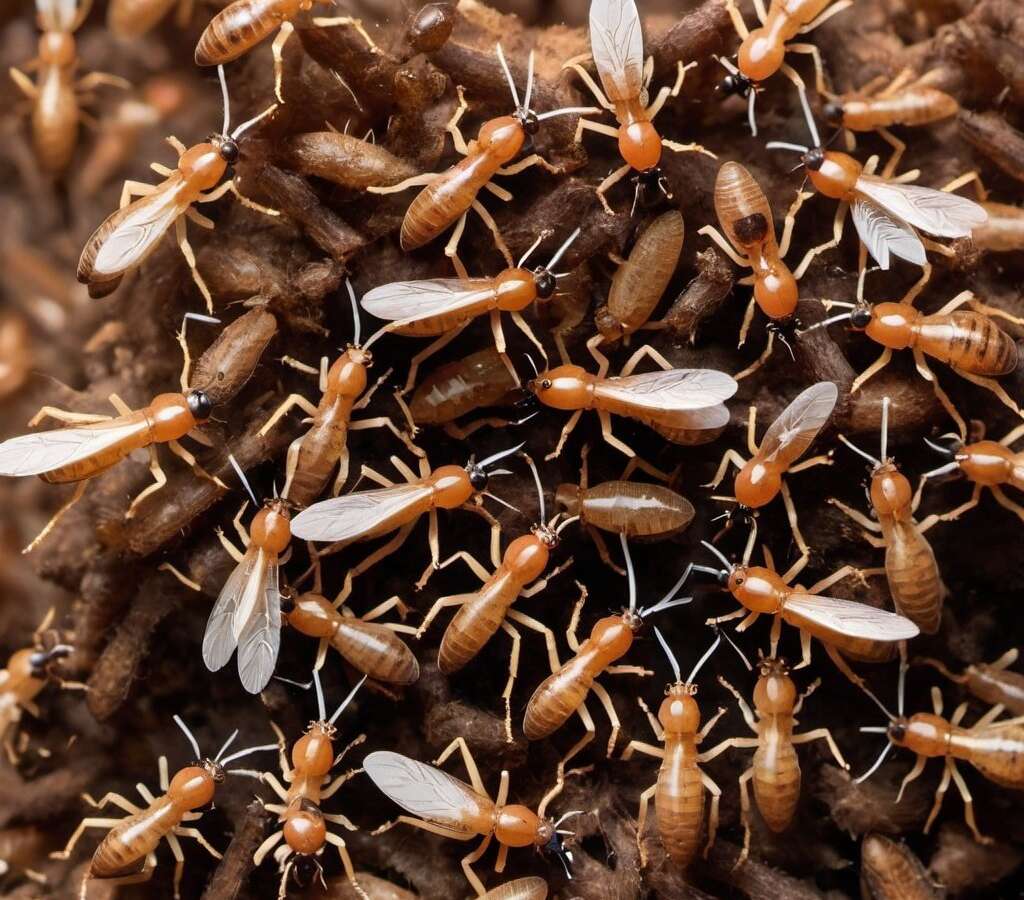
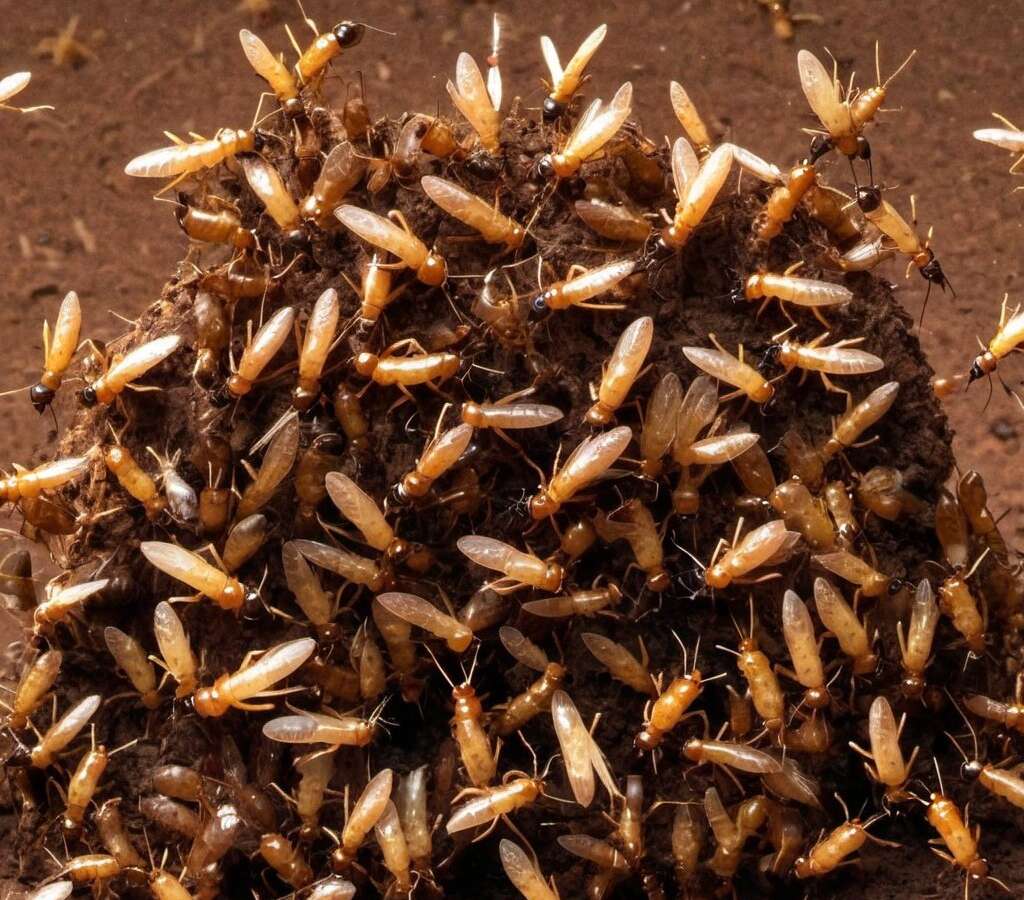
Nymphs are the young termites that emerge from the eggs, and they resemble smaller versions of the adult termites. Unlike other insects, termite nymphs can develop into any caste within the colony based on the needs of the community. They can become workers, soldiers, or, eventually, reproductive adults. This unique aspect of termite development allows the colony to adapt to environmental challenges and maintain its structure more efficiently.
The Role of Young Termites in the Colony
Termite nymphs play a significant role in the daily functioning and survival of their colonies. Initially, they are fed by worker termites, who provide them with a special diet that helps them grow. This nurturing is vital as it ensures that the young termites develop the necessary strength to take on various roles within the colony later on.
1. Building and Repairing:
One of the primary responsibilities of young termites, especially the nymphs that become workers, is the maintenance of the nest. They participate in building tunnels and galleries that are crucial for the colony’s survival. This not only helps protect the termites from predators and environmental hazards but also aids in foraging for food, which is essential for the entire colony.
2. Foraging and Feeding:
As nymphs mature, many take on foraging duties, which involve seeking out food sources like wood, leaves, and other plant materials. They are essential for the nutrient cycle within their ecosystem, breaking down cellulose and returning vital nutrients to the soil, thereby promoting plant growth.
3. Defense and Warfare:
In colonies with soldier termites, the transition from nymph to soldier offers another fascinating aspect of their development. Soldier termites are crucial for defending the colony from predators, such as ants or other insect threats. As such, nymphs that are destined to become soldiers will undergo physical changes that equip them with larger mandibles and a more robust body structure.
Pest Control Solutions with Broken Arrow Pest Control
While the life cycle of termites and the role of young termites is fascinating, it is essential for homeowners to recognize the potential threats they pose. Termite infestations can lead to significant structural damage to homes and buildings if not addressed promptly. This is where professional pest control services such as Broken Arrow Pest Control come into play.
Broken Arrow Pest Control employs techniques that focus on both prevention and treatment. Understanding that termite infestations typically begin underground or within hidden areas of a home is crucial. Early detection of termite activity, especially focusing on the signs of infestation like discarded wings, mud tubes, or actual sightings of termites, can help homeowners take immediate action.
1. Comprehensive Inspections:
The experts at Broken Arrow Pest Control conduct thorough inspections to assess the extent of termite damage. This includes checking wooden structures, basements, crawl spaces, and any areas prone to moisture, which can attract these pests.
2. Effective Treatment Plans:
Once an infestation is confirmed, Broken Arrow Pest Control develops a tailored treatment plan suited to the specific needs of the property. This may include baiting systems, liquid treatments, or even preventative barriers to stop future infestations.
Conclusion
Understanding the young termites, their roles, and their life cycle is vital in recognizing the threat they pose to homes and other structures. By enlisting the help of professional pest control services like Broken Arrow Pest Control, homeowners can protect their properties from these destructive pests. Regular inspections and proactive measures are vital for preventing infestations and ensuring peace of mind. Keeping an eye on these tiny architects of destruction can safeguard your biggest investment – your home.