

Understanding Drywood Termites: A Guide with Broken Arrow Exterminator
When it comes to protecting your home from pests, few are as insidious and destructive as drywood termites. These tiny wood-destroying insects can silently cause significant structural damage, often before homeowners even realize there’s a problem. If you live in or near Broken Arrow, Oklahoma, and suspect a termite issue, consulting a professional like a Broken Arrow Exterminator can be your best defense. In this blog, we’ll delve into what drywood termites are, how to identify them, and why professional treatment is essential.
What Are Drywood Termites?
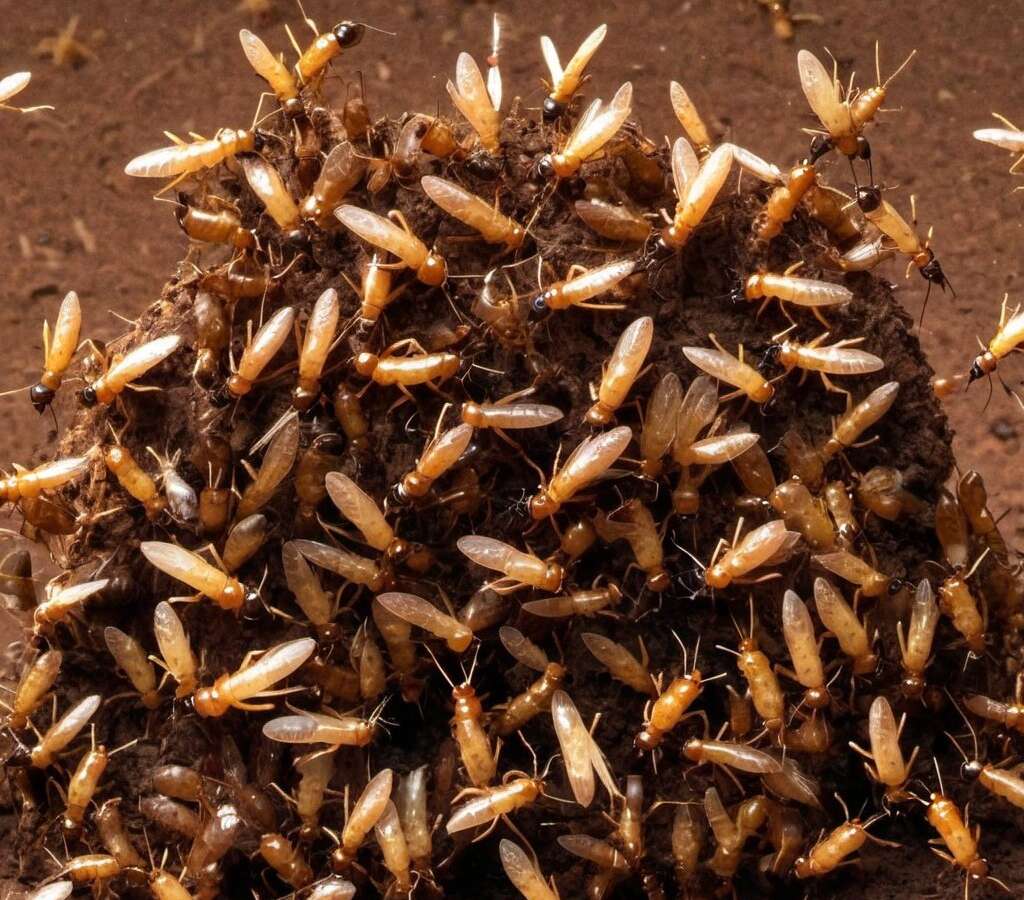
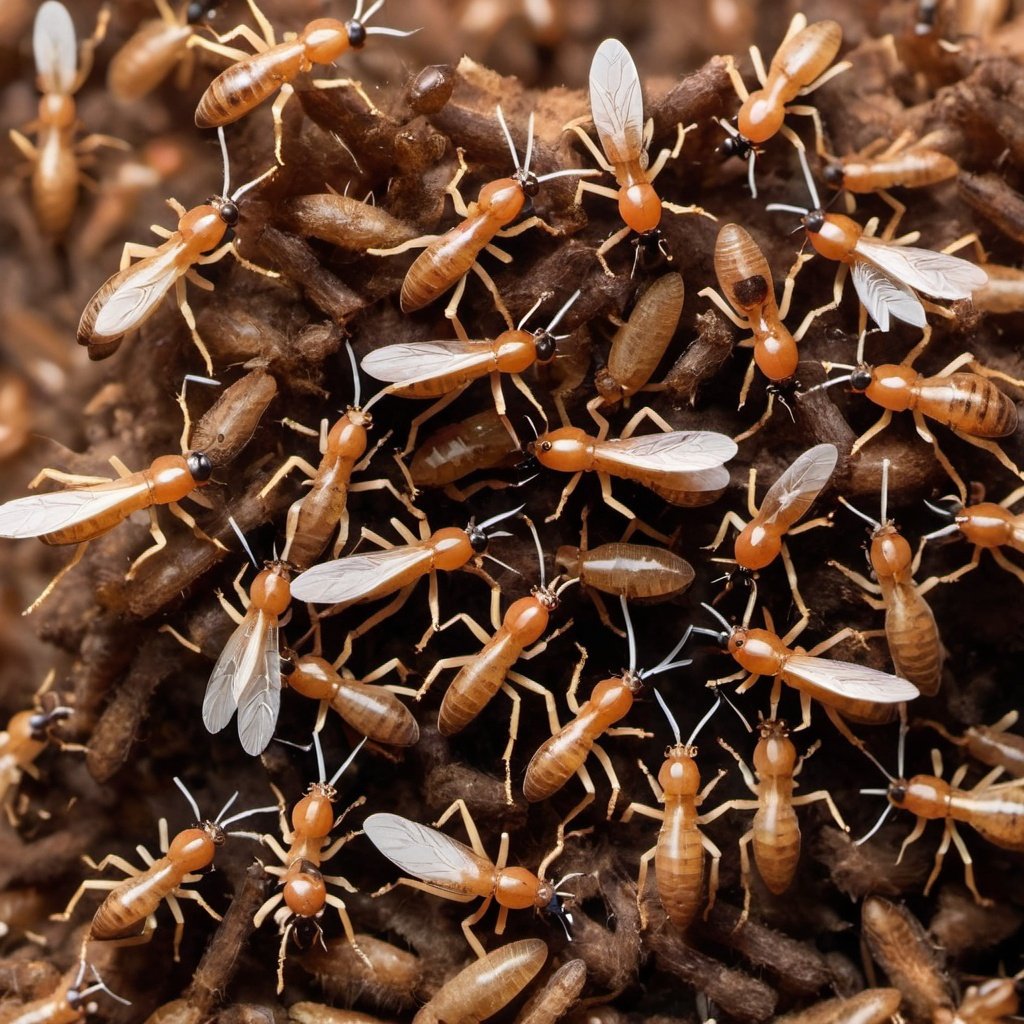
Drywood termites are a species of subterranean insects belonging to the family Kalotermitidae. Unlike subterranean termites that live in the soil and build mud tubes to reach wood, drywood termites infest dry, sound wood directly. They thrive in warm, humid climates but can be found in many regions across the United States, including Oklahoma.
These termites are social insects that form colonies inside the wood they consume. Their colonies are smaller than those of subterranean termites, often ranging from a few hundred to several thousand members. Despite their size, drywood termites can cause rapid and extensive damage because they eat the wood from the inside out, leaving behind only a thin veneer of unconsumed wood or a telltale swarm of winged termites.
Signs of Drywood Termite Infestation
Detecting drywood termites early is crucial to minimizing damage. Here are some signs to watch for:
- Discarded Wings: Swarming drywood termites shed their wings after mating. Piles of small, equal-sized wings near window sills, door frames, or light fixtures can indicate an infestation.
- Frass (Termite Droppings): Drywood termites push out small, pellet-shaped fecal pellets that often accumulate beneath infested wood. These pellets are typically six-sided and can be mistaken for sawdust.
- Hollowed Wood: Tapping or probing wood that sounds hollow is a common sign of drywood termite activity.
- Mud Tubes and Damage: Unlike subterranean termites, drywood termites do not produce mud tubes. However, their presence may be confirmed through visual inspection of infested wood for galleries or tunnels.
Why Professional Treatment Is Necessary
While some homeowners may attempt DIY solutions, drywood termite infestations often require professional intervention. The reasons include:
- Hidden Infestation: Because drywood termites dwell inside the wood, their colonies can be challenging to locate without specialized equipment.
- Effective Treatment Options: Professionals like a Broken Arrow Exterminator employ methods such as localized liquid treatments, fumigation, or heat treatments to eradicate drywood termites thoroughly.
- Preventative Measures: A professional inspection can identify vulnerable areas and recommend treatments to prevent future infestations.
Why Choose a Broken Arrow Exterminator?
If you’re experiencing signs of drywood termites or want to prevent an infestation, partnering with a reputable local pest control provider like a Broken Arrow Exterminator is essential. Local exterminators have the experience and knowledge of the specific pest challenges faced in the region, enabling them to deliver targeted and effective treatments.
Moreover, professional pest control companies prioritize safety and environmental responsibility. They use eco-friendly products and methods to protect your family, pets, and the environment.
Prevention Tips
While professional treatment is vital, homeowners can take proactive steps to reduce the risk of drywood termites:
- Inspect Wooden Structures Regularly: Check for signs of damage or droppings.
- Eliminate Moisture: Fix leaks and ensure proper ventilation to reduce humidity levels.
- Seal Entry Points: Repair cracks or gaps in windows and doors to prevent termites from gaining access.
- Remove Wood Debris: Keep firewood, lumber, and other wood materials away from your home.
Additional Resources
For more detailed information about drywood termites, you can visit educational resources such as the University of California’s Integrated Pest Management Program at ipm.ucanr.edu, which offers comprehensive guides on various pests, including termites. Additionally, the University of Florida’s IFAS Extension provides useful insights into termite biology and control methods at edis.ifas.ufl.edu.
Final Thoughts
Drywood termites may be small, but their impact on your home can be enormous if left unchecked. Early detection and professional treatment are the keys to safeguarding your property. If you’re in the Broken Arrow area and suspect a termite problem, don’t hesitate to contact a Broken Arrow Exterminator for an inspection and tailored treatment plan. Protect your home before these tiny invaders turn into a costly nightmare.
Protect Your Home Today! Reach out to a local Broken Arrow Exterminator and keep your home termite-free. Regular inspections and prompt action can save you thousands in structural repairs and ensure peace of mind.