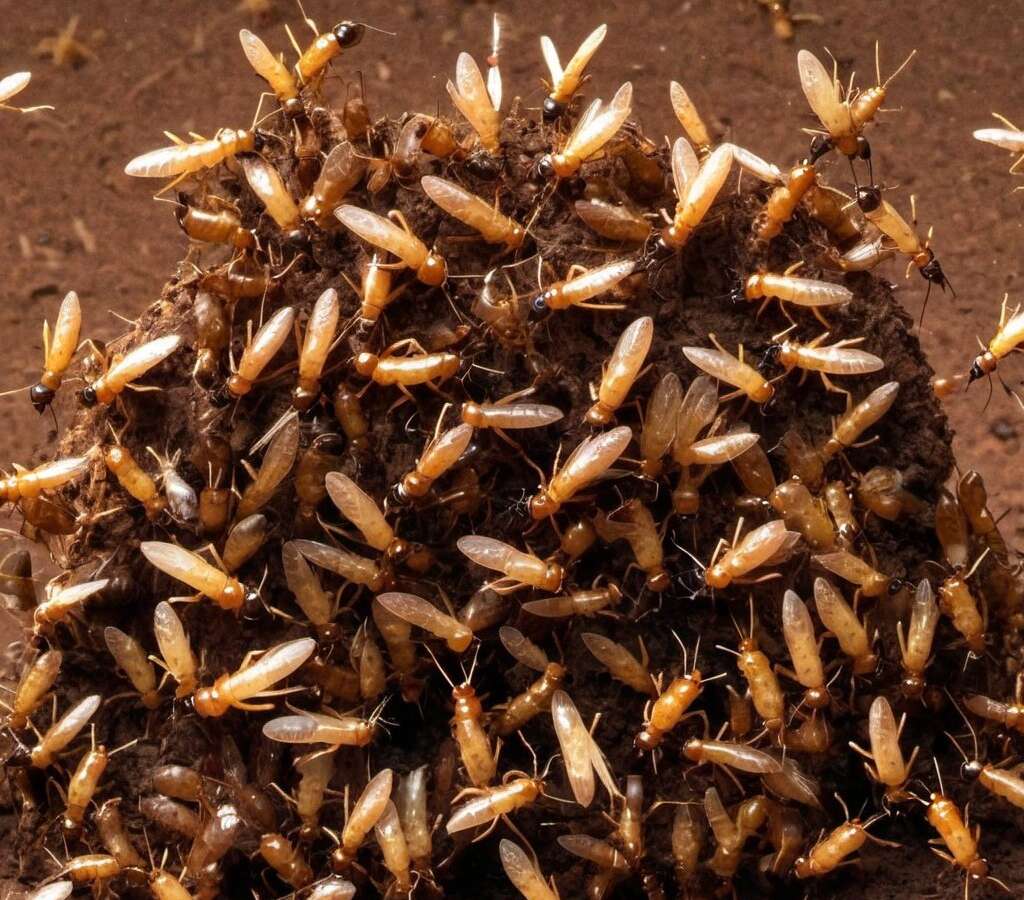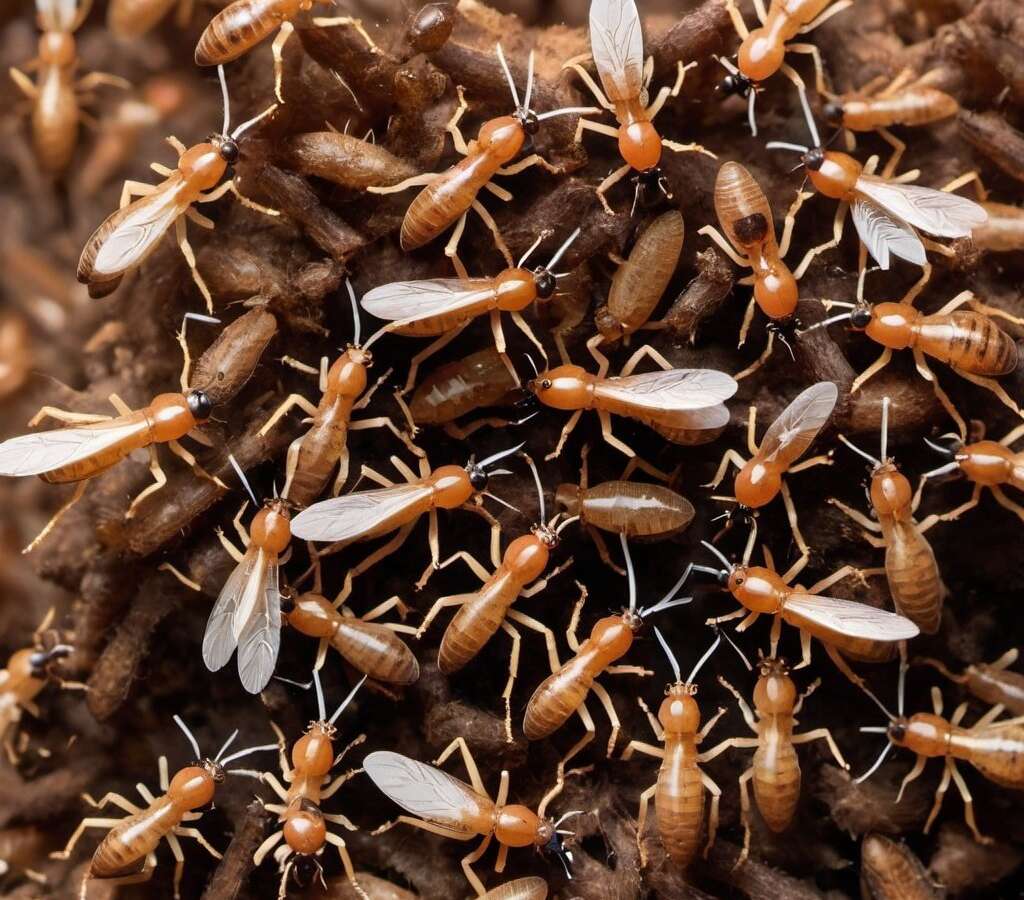

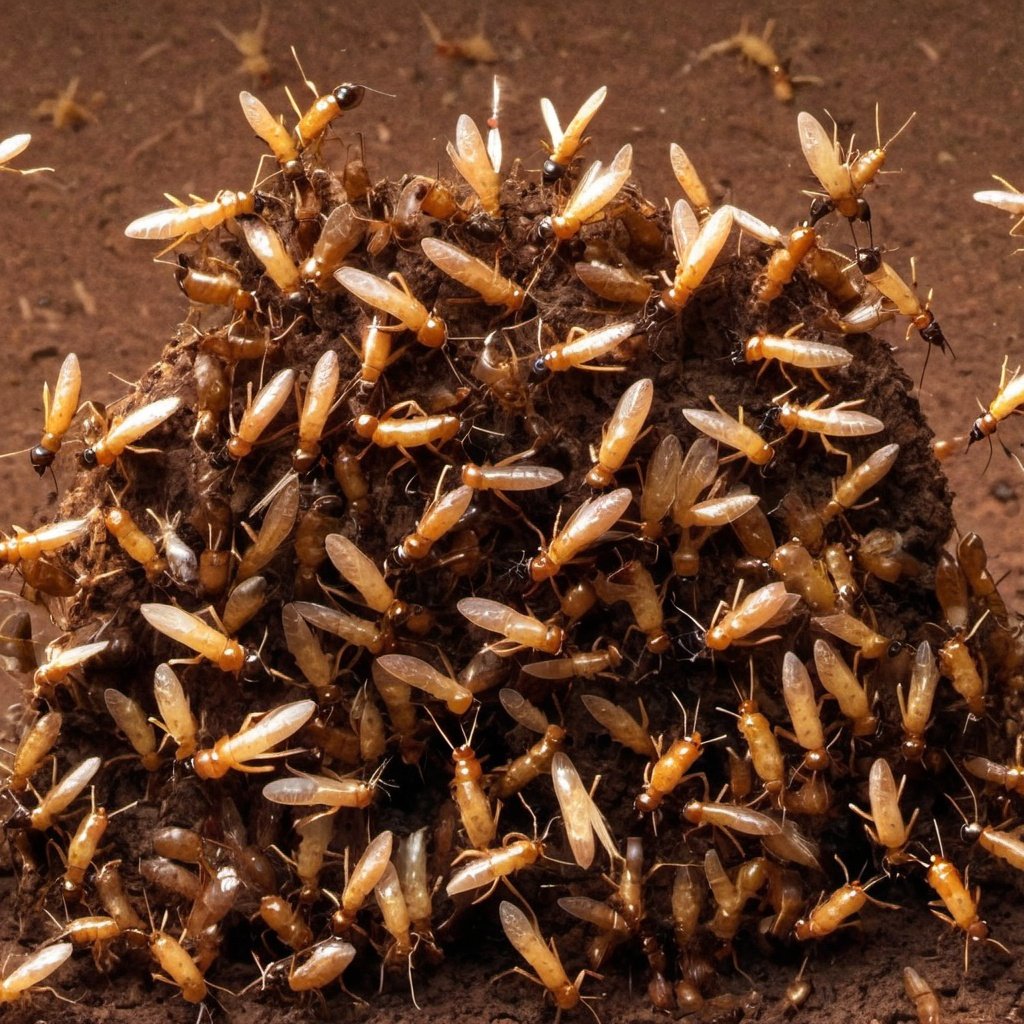

Understanding Termite Anatomy: A Closer Look with Broken Arrow Pest Control
Termites are often called “silent destroyers” because of their ability to cause extensive damage to wooden structures without immediate detection. To effectively manage and eradicate these pests, it’s essential to understand their anatomy and biology. This knowledge not only helps in identifying infestations early but also aids pest control professionals, such as those at Broken Arrow Pest Control, in designing targeted treatment strategies.
The Basic Structure of a Termite
Termites are social insects belonging to the order Isoptera. They are closely related to cockroaches but have distinct features adapted to their subterranean and wood-consuming lifestyles. An adult termite’s body is divided into three main parts: the head, thorax, and abdomen.
1. Head
The head is a critical part of a termite’s anatomy, housing essential sensory and feeding structures. It contains:
- Mandibles: Termites possess strong, blade-like mandibles used for chewing wood and other cellulose materials. These mandibles are particularly prominent in worker termites, which are responsible for foraging and feeding the colony.
- Antennae: The antennae are segmented and serve as sensory organs, helping termites navigate their environment, detect food sources, and communicate with colony members.
- Simple Eyes (Ocelli): Most worker and soldier termites have limited or no functional eyes, relying instead on their antennae for sensory input. However, reproductive termites (alates) have compound eyes, aiding them during swarming.
2. Thorax
The thorax connects the head to the abdomen and bears the legs. Termites have three pairs of legs attached here, which are adapted for crawling through soil, wood, and tight spaces. Soldiers and workers have similar thoracic structures, but reproductive termites develop wings during the swarming period, which are attached to the thorax.
3. Abdomen
The abdomen makes up the largest part of a termite’s body and contains vital organs such as the digestive system, reproductive organs, and the wax-producing glands. The abdomen is segmented and flexible, allowing termites to move efficiently through tunnels and wood.
Specialized Castes and Their Anatomical Differences
In a termite colony, different castes have specialized anatomy:
- Workers: White, soft-bodied, and wingless, workers are the primary foragers. Their mandibles are well-developed for chewing cellulose. They lack eyes, relying on other senses.
- Soldiers: Slightly larger than workers, soldiers have enlarged heads and powerful mandibles or nasute (snout-like) projections used for colony defense.
- Reproductives (Alates and King/Queen): These termites develop wings (alates) during swarming season, which they shed after mating. The king and queen are the reproductive core of the colony, with the queen capable of laying thousands of eggs.
Why Understanding Termite Anatomy Matters
Recognizing termite anatomy is crucial for pest management professionals like those at Broken Arrow Pest Control. Knowing the differences between worker, soldier, and reproductive termites helps in identifying the type of infestation and selecting appropriate control methods. For example, targeted baits and barrier treatments are designed considering the termites’ feeding habits and structural vulnerabilities.
Additional Resources for In-Depth Knowledge
For those interested in more detailed scientific information about termites, reputable university resources are invaluable. The University of California’s agriculture extension provides extensive guides on termite biology and control strategies (visit UC Agriculture & Natural Resources). Additionally, the University of Florida offers comprehensive pest management programs, including termite biology, that can be accessed through their Entomology Department.
Conclusion
A thorough understanding of termite anatomy enhances the effectiveness of pest control efforts and helps homeowners and professionals alike in recognizing early signs of infestation. Whether you’re dealing with a minor problem or a severe termite invasion, partnering with experienced pest control providers like Broken Arrow Pest Control ensures that your property remains protected. Remember, early detection and targeted treatment are key to preventing costly structural damage caused by these tiny but destructive insects.
Protect your home today by understanding termite anatomy and working with trusted professionals. Contact Broken Arrow Pest Control for expert assistance and reliable solutions!