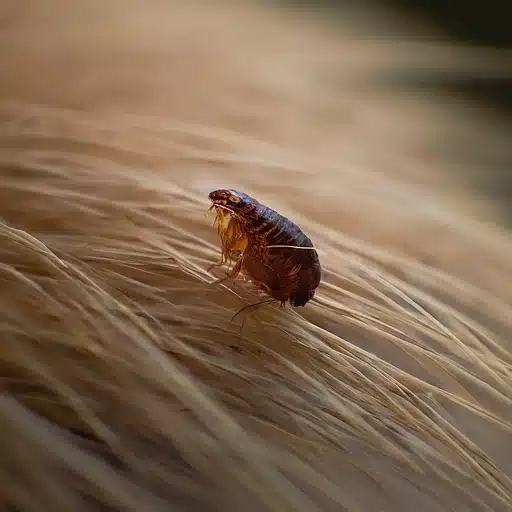



Understanding Tick Mouth Parts: A Closer Look with Broken Arrow Pest Control
Ticks are tiny arachnids that often go unnoticed until they latch onto a host, such as a human or animal, to feed on blood. Despite their small size, ticks are significant from a public health perspective because they can transmit various diseases, including Lyme disease, Rocky Mountain spotted fever, and others. A crucial aspect of understanding how ticks feed and transmit pathogens lies in their specialized mouth parts. In this blog post, we’ll explore the anatomy of tick mouth parts, how they function, and why professional pest control, like the services offered by Broken Arrow Pest Control, is essential for managing tick infestations.
Anatomy of Tick Mouth Parts
Ticks possess highly specialized mouth parts that enable them to effectively latch onto hosts and extract blood. Their mouth parts are located on the anterior end of their bodies and are uniquely adapted for feeding over extended periods. The main components include:
- Capitulum: Also called the “mouth cone,” the capitulum is the visible part of the tick’s mouth. It contains the feeding structures and is often mistaken for the tick’s head, although it is technically a separate structure.
- Chelicerae: These are paired, blade-like appendages that function like scissors. The chelicerae cut into the host’s skin, creating a small wound that allows the tick to insert its feeding apparatus. Their sharp, serrated edges enable the tick to securely anchor itself.
- Hypostome: The hypostome is a barbed, straw-like structure that extends from the mouth into the host’s skin. Its backward-facing barbs help anchor the tick in place during feeding, preventing easy removal. The hypostome also contains grooves that guide blood toward the tick’s mouth and into its alimentary canal.
- Palps: These sensory organs surround the mouth and help the tick locate suitable feeding sites on the host. They are also involved in anchoring the tick and assisting in the feeding process.
Functionality and Feeding Mechanism
When a tick attaches to a host, it uses its chelicerae to cut through the skin, creating a small wound. The hypostome is then inserted into the skin, with its barbs anchoring the tick securely. The tick secretes saliva containing anticoagulants, anesthetics, and enzymes that keep blood flowing and reduce host awareness. This saliva not only facilitates feeding but also plays a role in transmitting pathogens.
The feeding process can last from several days to over a week, depending on the tick species and environmental factors. During this time, the tick remains firmly attached, drawing blood slowly and steadily. Because of their specialized mouth parts, ticks are well-adapted to avoid detection and removal, making them particularly challenging pests.
The Importance of Professional Pest Control
Managing tick populations and preventing bites is essential for health and safety. While some people attempt to control ticks through environmental modifications or DIY methods, these approaches often fall short because ticks are highly resilient and adept at hiding in leaf litter, tall grass, and other outdoor habitats.
That’s where Broken Arrow Pest Control comes in. Their team of professionals understands tick behavior and employs integrated pest management strategies to reduce tick populations effectively. This includes targeted treatments of outdoor areas, habitat modification advice, and ongoing monitoring to keep your property safe.
Educational Resources
For those interested in learning more about tick biology and control methods, reputable sources such as the University of Rhode Island’s TickEncounter Resource Center (https://web.uri.edu/tickencounter/) and the University of California’s Integrated Pest Management Program (https://ipm.ucanr.edu/) offer comprehensive information on tick anatomy, behavior, and management strategies.
Conclusion
Understanding the specialized mouth parts of ticks is crucial for appreciating how they feed and transmit diseases. These tiny yet formidable arachnids have evolved complex mouth structures—chelicerae, hypostome, and palps—that enable them to feed undetected for days. To effectively protect your family and pets from tick bites and related illnesses, consulting with professional pest control providers like Broken Arrow Pest Control is your best defense. Their expertise ensures safe, environmentally responsible management of tick populations, helping you enjoy your outdoor spaces with peace of mind.