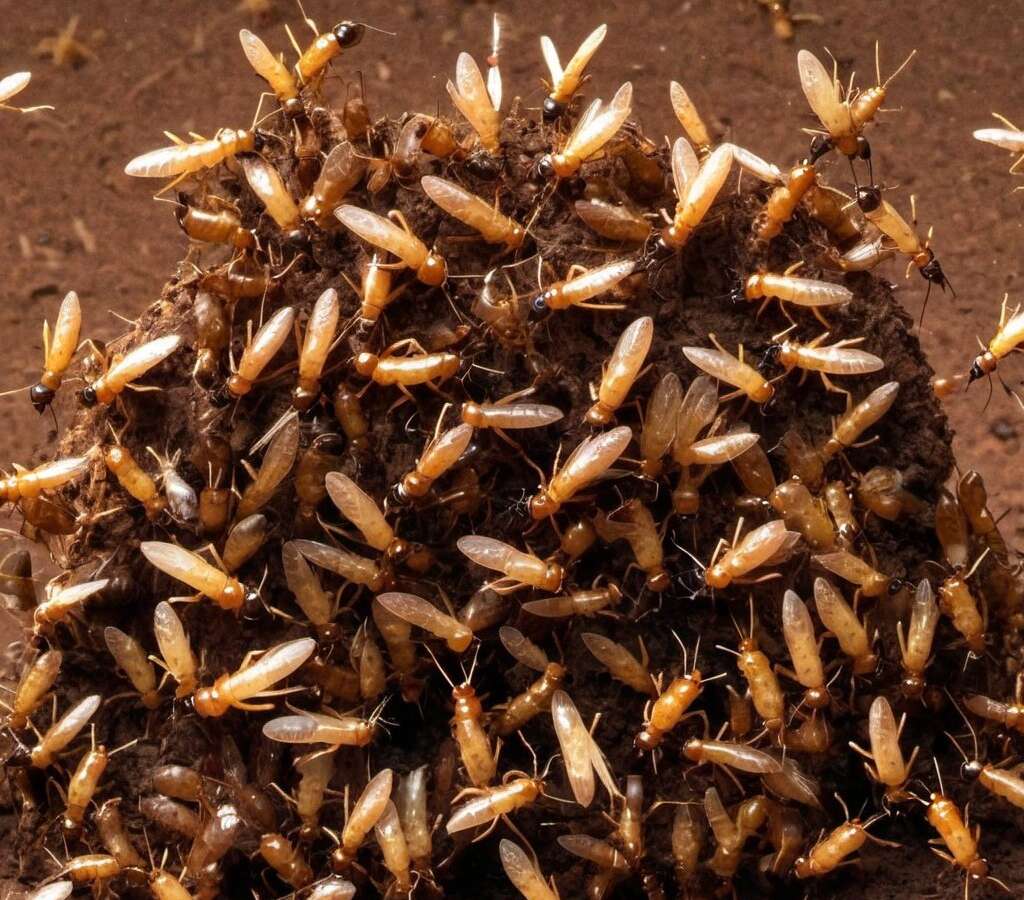

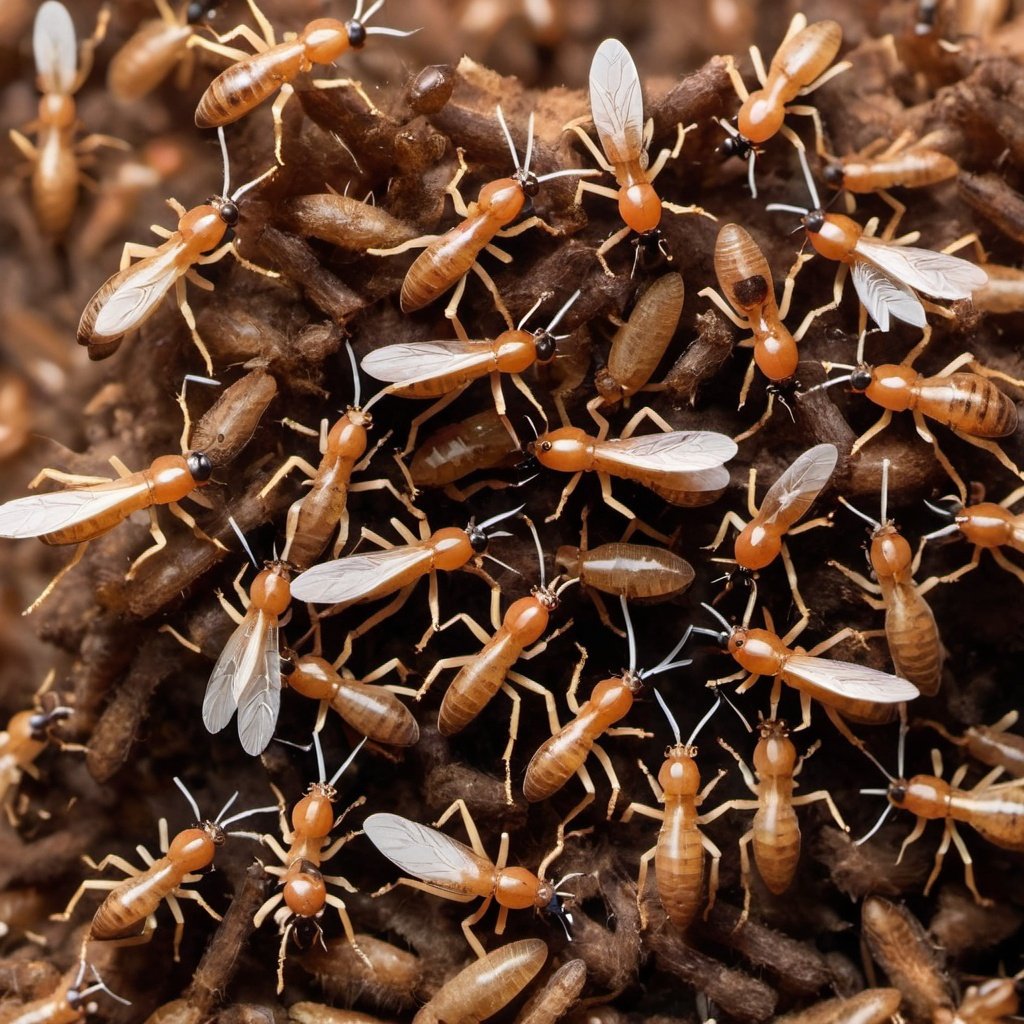

Understanding Termite Pulp and Its Impact on Your Home: A Guide from Broken Arrow Pest Control
When it comes to protecting your home from pests, few threats are as insidious and destructive as termites. These tiny insects can silently compromise the structural integrity of your property, often before you even realize there’s a problem. One of the fascinating—and concerning—byproducts of termite activity is termite pulp. In this blog, we’ll explore what termite pulp is, how it relates to termite behavior, its implications for homeowners, and why partnering with professionals like Broken Arrow Pest Control is essential for effective termite management.
What Is Termite Pulp?
Termite pulp, sometimes referred to as termite mud or frass, is a mixture of chewed wood, soil, saliva, and other organic materials that termites produce during their colony activities. Unlike typical sawdust or wood shavings, termite pulp often appears as a moist, clay-like substance or a fine powder depending on the termite species and the stage of their activity. This pulp is a byproduct of their feeding habits, specifically their process of digesting cellulose—the primary component of wood and plant material.
Termites consume wood from the inside out, creating tunnels and galleries within structures. As they chew through wood and other cellulose-rich materials, they excrete the pulp, which can accumulate near entry points, cracks, or infested wood. Recognizing termite pulp is an important early indicator of termite activity, especially since these pests are masters of concealment.
The Role of Termite Pulp in Infestation Detection
Detecting termite pulp can be a crucial step in identifying a developing infestation before significant damage occurs. Homeowners may find these moist, mud-like deposits near foundation walls, inside wall voids, or around wooden structures. Sometimes, the presence of termite pulp is accompanied by discarded wings or hollowed-out wood.
However, termite pulp isn’t always visible or obvious. That’s why regular inspections by pest control professionals are vital. Experts from companies like Broken Arrow Pest Control utilize advanced techniques and tools to identify hidden colonies, including the presence of termite pulp and other signs of activity.
Why Is Termite Pulp Dangerous?
While termite pulp itself isn’t inherently hazardous to humans, its presence signals active termite colonies that could be silently causing extensive damage to your home. Over time, these pests can weaken load-bearing structures, flooring, and walls, leading to costly repairs or even safety hazards.
Furthermore, the moisture associated with termite pulp can promote mold growth and attract other pests, exacerbating existing problems. Early detection and treatment are key to preventing these issues from escalating.
How Broken Arrow Pest Control Can Help
If you suspect termite activity in your home—whether through visible signs like termite pulp, mud tubes, or damaged wood—it’s time to contact professionals. Broken Arrow Pest Control specializes in integrated pest management strategies tailored to local pest challenges, including termites.
Their trained technicians conduct thorough inspections, identify the extent of infestation, and implement effective treatment plans such as baiting systems, liquid termiticides, or eco-friendly options. Regular monitoring ensures that your home remains protected long-term, reducing the likelihood of future infestations.
Prevention Tips for Homeowners
While professional pest control services are essential, homeowners can adopt preventive measures to minimize termite risks:
- Keep wood debris, lumber, or mulch away from the foundation.
- Fix leaks and reduce moisture around the home.
- Ensure proper drainage to prevent water accumulation.
- Seal cracks and entry points around the foundation and utility lines.
- Schedule regular inspections with pest control experts.
Learn More About Termites and Pest Control
For those interested in deepening their understanding of termites and pest management, reputable educational resources can be invaluable. The University of California’s Division of Agriculture and Natural Resources offers comprehensive guides on termite behavior and control methods (ucanr.edu). Additionally, the University of Florida’s IFAS Extension provides detailed information on pest prevention strategies (ifas.ufl.edu).
Final Thoughts
Termite pulp may seem like a minor issue, but it’s a clear warning sign of underlying termite activity that can threaten your home’s safety and value. Recognizing these signs early and partnering with experienced pest control providers like Broken Arrow Pest Control can make all the difference. With proactive inspection, treatment, and prevention, you can safeguard your property from these silent invaders and enjoy peace of mind for years to come.
Protect your home today—reach out to Broken Arrow Pest Control for expert termite inspection and treatment. Your home deserves the best defense against pests!