

Wasp Dwellings: Understanding and Managing These Intriguing Insect Habitats
As summer approaches, many homeowners and outdoor enthusiasts begin to encounter an unwelcome sight: wasp dwellings. These nests, often built in concealed or hard-to-reach places, can pose a threat to those who inadvertently disturb them. Understanding wasp dwellings—their construction, purpose, and how to manage them—is essential for safety and effective pest control. If you’re dealing with a particularly stubborn wasp problem, consulting professionals like a Broken Arrow Exterminator can make all the difference.
What Are Wasp Dwellings?
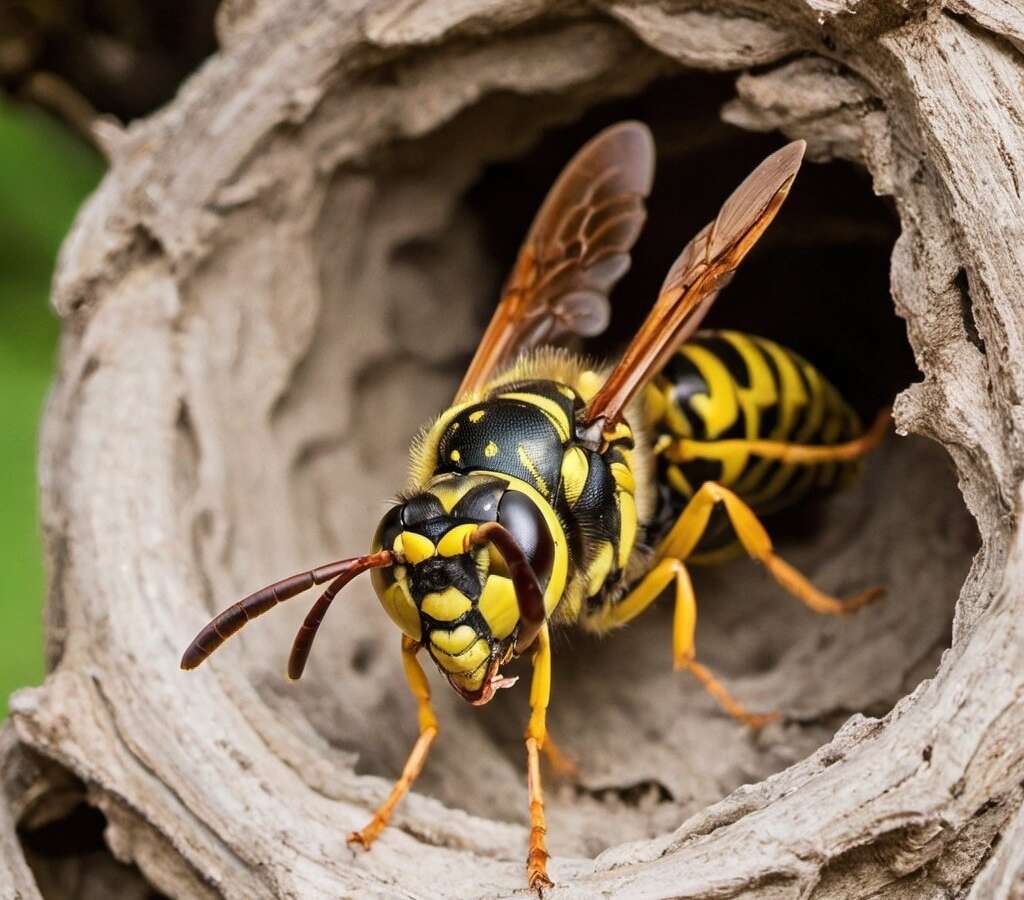
Wasp dwellings are nests constructed by various species of wasps, notably paper wasps, yellowjackets, and hornets. These nests serve as a home base for the colony, providing shelter, protection, and a place to rear their young. Unlike bees, wasps are often more aggressive, especially if their nest feels threatened.
Most wasp nests are made from chewed wood fibers mixed with their saliva, forming a papery substance. This material is lightweight yet sturdy, allowing the nests to be built in a variety of locations. Common sites include eaves, attics, tree branches, shrubs, and even underground.
The Construction and Growth of Wasp Nests
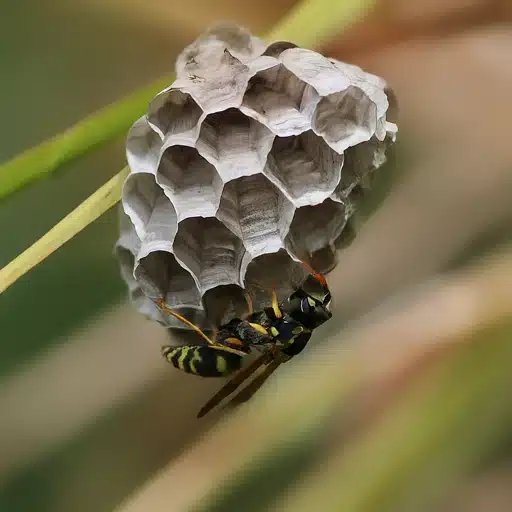
A typical wasp nest begins as a small, papery structure resembling a small football or umbrella. As the colony grows, so does the nest, expanding in size and complexity. The nest comprises multiple layers of hexagonal cells where eggs are laid and larvae develop. Paper wasps, for example, tend to build open, umbrella-shaped nests with visible combs, often hanging from eaves or porch ceilings.
The size of a wasp nest can vary significantly depending on the species and the duration of colony activity. Some nests remain small, with just a few dozen wasps, while others can house thousands of individuals, posing increased risks to humans and pets.
Recognizing Wasp Dwellings
Identifying a wasp dwelling early is crucial for prompt and safe removal. Signs include:
- Visible nests hanging from eaves, porch ceilings, or tree branches.
- Wasps actively flying near the nest.
- A buzzing sound emanating from the nest area.
- Increased wasp activity during late summer and early fall.
It’s important to note that disturbing a wasp nest can provoke aggressive behavior and a swarm attack. Therefore, professional intervention is often the safest approach.
Managing and Removing Wasp Nests
If you notice a wasp dwelling on your property, consider the following steps:
- Assessment: Determine the size and location of the nest safely from a distance.
- Timing: The best time to remove a wasp nest is during early morning or late evening when wasps are less active.
- DIY Methods: Small nests can sometimes be removed with appropriate insecticide sprays, but caution must be exercised to avoid stings.
- Professional Help: For larger nests or nests in difficult-to-reach areas, hiring a professional pest control service like a Broken Arrow Exterminator is highly recommended. They possess the expertise and equipment to remove nests safely and effectively.
Why Choose Professional Pest Control?
Professional exterminators understand wasp behavior and have access to specialized tools and insecticides that are more effective than over-the-counter solutions. Moreover, they prioritize safety—for both residents and the insects—by employing humane and targeted removal techniques.
According to research from university entomology departments, improper removal can lead to increased aggression and stings, especially in late-season nests when wasps are more defensive. For instance, the University of California’s Department of Entomology emphasizes the importance of professional intervention when dealing with wasp infestations to prevent injury and property damage (see California.edu).
Preventing Future Wasp Dwellings
Prevention is always better than cure. Here are some tips to discourage wasps from building nests around your home:
- Seal cracks and gaps in eaves, vents, and siding.
- Regularly inspect your property for early signs of nests.
- Keep food and sugary drinks covered outdoors.
- Trim trees and shrubs to eliminate ideal nesting sites.
Final Thoughts
Wasp dwellings are fascinating yet potentially hazardous structures that serve a vital role in their ecosystems. Recognizing the signs of wasp nests and knowing when to seek professional help can save you from painful stings and property damage. If you’re uncertain or dealing with a large or hard-to-reach nest, don’t hesitate to contact a Broken Arrow Exterminator. Their expertise ensures that the problem is handled safely, efficiently, and with minimal disruption.
For more detailed information on pest management and environmental considerations, you can explore resources from reputable universities such as the University of Florida’s Entomology Department (ufl.edu) or the University of Nebraska’s Department of Entomology (unl.edu).
Stay safe and proactive this season—let the professionals handle those wasp dwellings!