

Exploring Wasp Dwellings: Nature’s Intricate Architects and How to Handle Them Safely
Wasp dwellings, often seen as unsightly nuisances or even threats, are fascinating examples of nature’s ingenuity and adaptability. These intricate structures not only serve as homes for wasps but also play a vital role in local ecosystems by controlling pest populations and pollinating plants. However, when these nests are built too close to human habitation, they can pose safety risks, prompting many to seek professional assistance—such as that offered by Broken Arrow Pest Control—to manage these situations effectively and safely.
The Intriguing World of Wasp Nests
Wasps are social insects that live in organized colonies. Their nests can vary significantly in size, shape, and location, depending on the species and environmental conditions. Common types include paper wasps, yellowjackets, and hornets, each creating distinctive domiciles.
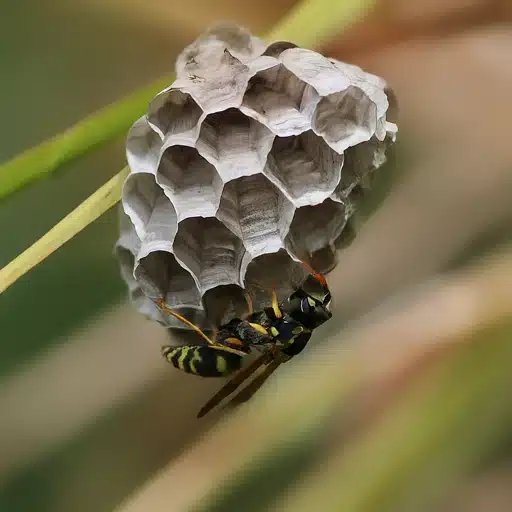
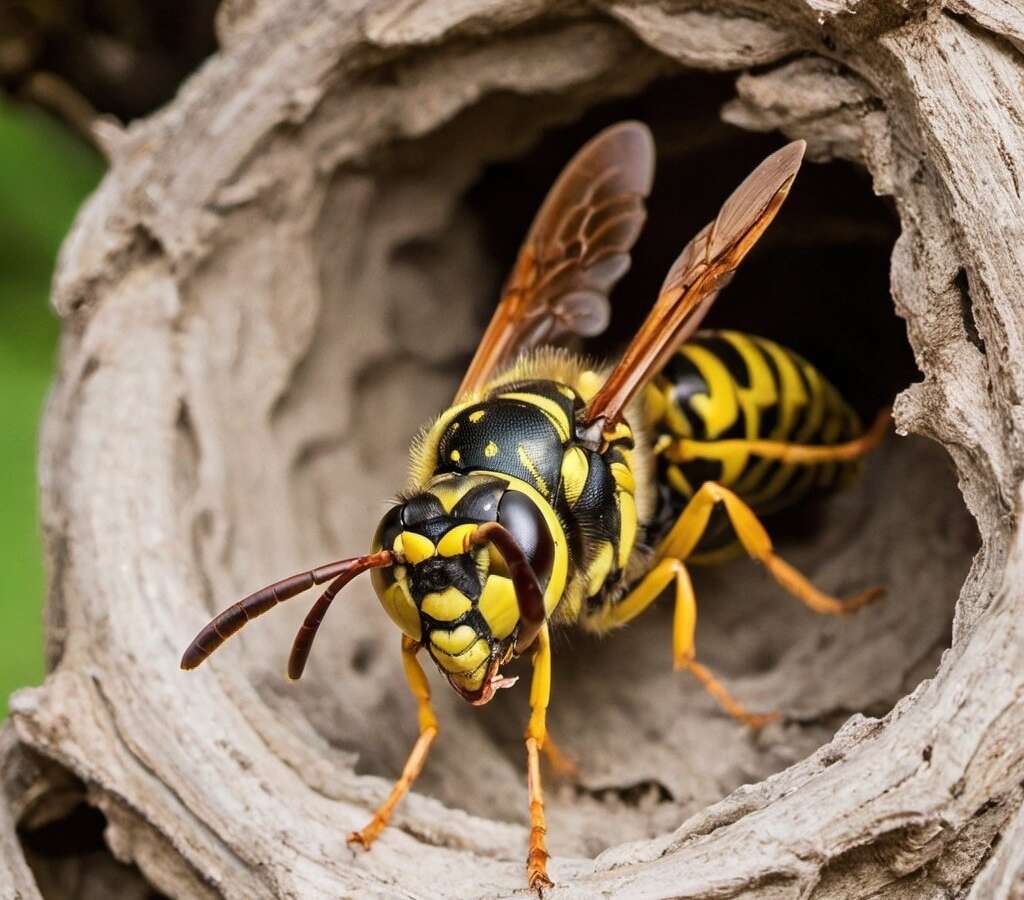
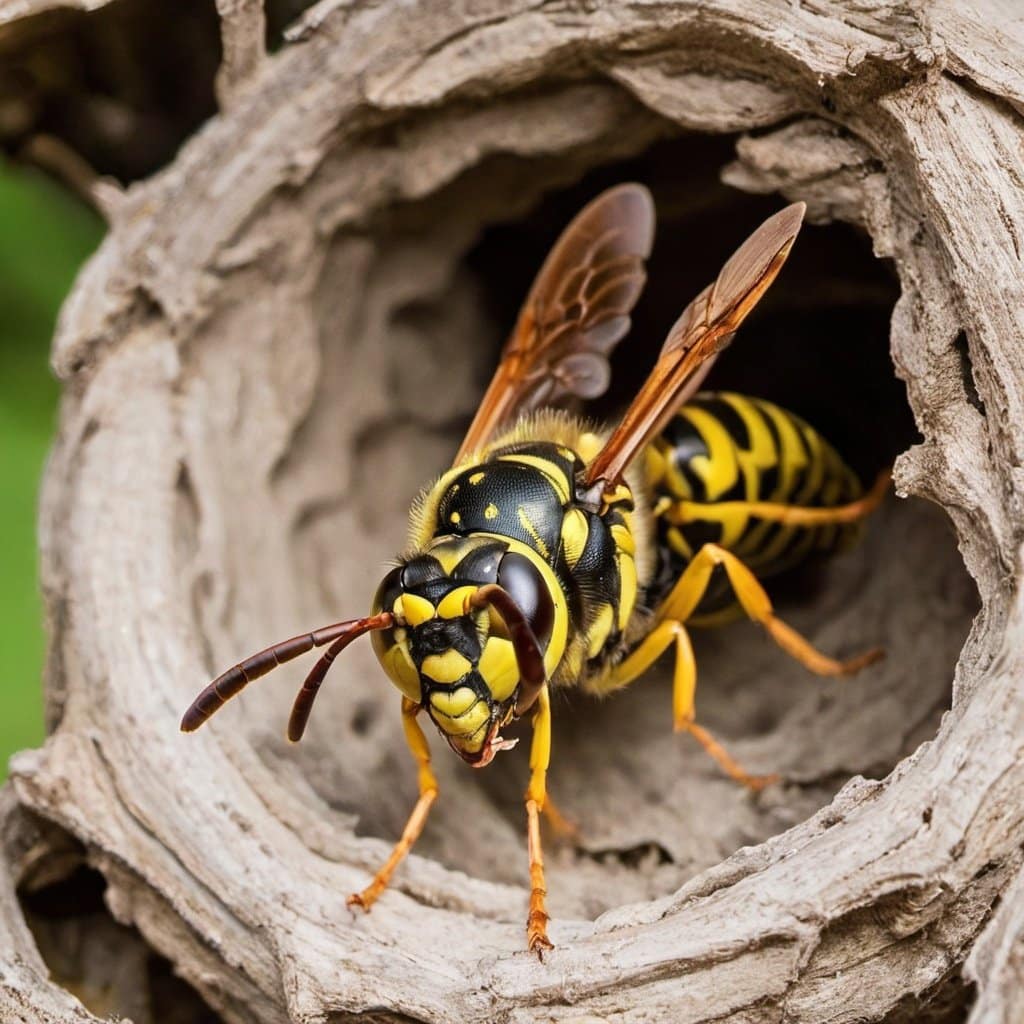
Paper wasps, for instance, construct open, umbrella-shaped nests from a papery material they produce by chewing wood fibers mixed with their saliva. These nests are often suspended from eaves, tree branches, or other sheltered locations. Yellowjackets, on the other hand, tend to build their nests underground or in hidden cavities, making them more difficult to detect until they become aggressive or the nest becomes large.
The Construction and Structure of Wasp Dwellings
The architecture of wasp nests is both functional and impressive. The cells inside the nest are meticulously arranged, each housing a single egg, with larvae developing in an organized manner. The outer layers of the nest are composed of a paper-like substance, providing insulation and protection for the colony.
Interestingly, the design of these nests varies among species and is influenced by factors like climate, available materials, and the colony’s needs. This biological engineering showcases nature’s ability to adapt and optimize living spaces.
When Wasp Dwellings Become a Concern
While wasps generally prefer to avoid humans, their nests can become problematic, especially when built in high-traffic areas such as doorways, patios, or playgrounds. A disturbed nest can lead to aggressive stings, which may cause allergic reactions in sensitive individuals.
In some cases, nests are located in hard-to-reach places, requiring professional intervention. Attempting to remove a wasp nest without proper knowledge and equipment can be dangerous, leading to stings or colony reestablishment.
Safe and Effective Wasp Control
Managing wasp nests should ideally be handled by professionals who understand wasp behavior and possess the appropriate tools and pesticides. Broken Arrow Pest Control specializes in safe removal of wasp dwellings, ensuring the safety of residents and the preservation of local ecosystems.
Professional pest control services employ targeted methods to eliminate or relocate nests, often using specialized sprays or physical removal techniques. Timing is crucial—early spring or late fall are optimal periods for removal, as colonies are smaller or inactive.
Preventing Future Wasp Dwellings
Preventative measures can significantly reduce the likelihood of wasps building nests near your home. These include sealing cracks and crevices, removing food sources like uncovered trash, and maintaining tidy yards. Additionally, planting deterrent plants such as mint or citronella can discourage wasps from settling nearby.
Educational Resources and Further Reading
For those interested in learning more about wasp behavior and control strategies, educational websites such as University of California Agriculture & Natural Resources and North Carolina State University’s Extension offer comprehensive guides and scientific insights into managing stinging insects safely and effectively.
Conclusion
Wasp dwellings are a testament to the complexity and adaptability of these insects, playing a crucial role in nature’s balance. However, when these nests pose safety risks or become invasive, professional intervention by companies like Broken Arrow Pest Control ensures that removal is handled safely and humanely. Understanding the structure and behavior of wasps helps us coexist with them more responsibly, minimizing risks while appreciating their ecological importance.
If you encounter a wasp nest on your property, don’t hesitate to contact a professional. Proper removal not only protects your family and pets but also supports the health of your local environment. Remember, safety first—trust the experts to handle the situation with care and expertise.