

Drywall damage is one of the most common warning signs homeowners notice when termites invade a structure. In many cases, people first contact a Broken Arrow Exterminator after seeing bubbling paint, soft walls, or small holes appearing in drywall. Termites are extremely destructive pests, and in Oklahoma’s warm climate they can remain active for much of the year. Because drywall often covers structural wood framing, termites can quietly feed behind walls for months before the damage becomes visible.
Understanding how termites affect drywall and recognizing the early warning signs can help homeowners prevent more serious structural problems.
How Termites Damage Drywall – Broken Arrow Exterminator Insight
Many homeowners are surprised to learn that a Broken Arrow Exterminator frequently finds termite activity associated with drywall surfaces. Termites do not actually eat drywall itself, but they feed on the paper covering that surrounds drywall panels. That paper contains cellulose, the same material termites consume in wood.
As termites search for food, they may tunnel through wall studs and begin feeding on the paper backing of drywall. Over time, this activity can weaken the wall surface and cause several noticeable signs. Paint may appear blistered or uneven, drywall may feel soft or hollow when tapped, and small pin-sized holes may appear where termites have entered or exited the wall surface.
Another common sign is the appearance of mud tubes along drywall seams or corners. Subterranean termites build these tubes from soil and saliva in order to travel safely between the ground and their food sources while staying protected from air and light.
The U.S. Environmental Protection Agency offers helpful information about termite behavior and prevention at
https://www.epa.gov/safepestcontrol/termites
Signs of Termites Behind Drywall
When termites infest a structure, a Broken Arrow Exterminator will often inspect drywall areas carefully because these surfaces can reveal early evidence of hidden activity. Since termites usually remain concealed behind walls, recognizing subtle warning signs is extremely important.
One common symptom is drywall that appears slightly warped or bubbled. As termites damage the paper layer and underlying wood, moisture can accumulate and cause the wall surface to swell. Homeowners may initially assume this is a simple moisture issue when it is actually termite activity.
Another sign is faint clicking sounds coming from inside the walls. Soldier termites sometimes bang their heads against wood or drywall when the colony is disturbed, creating a quiet tapping sound.
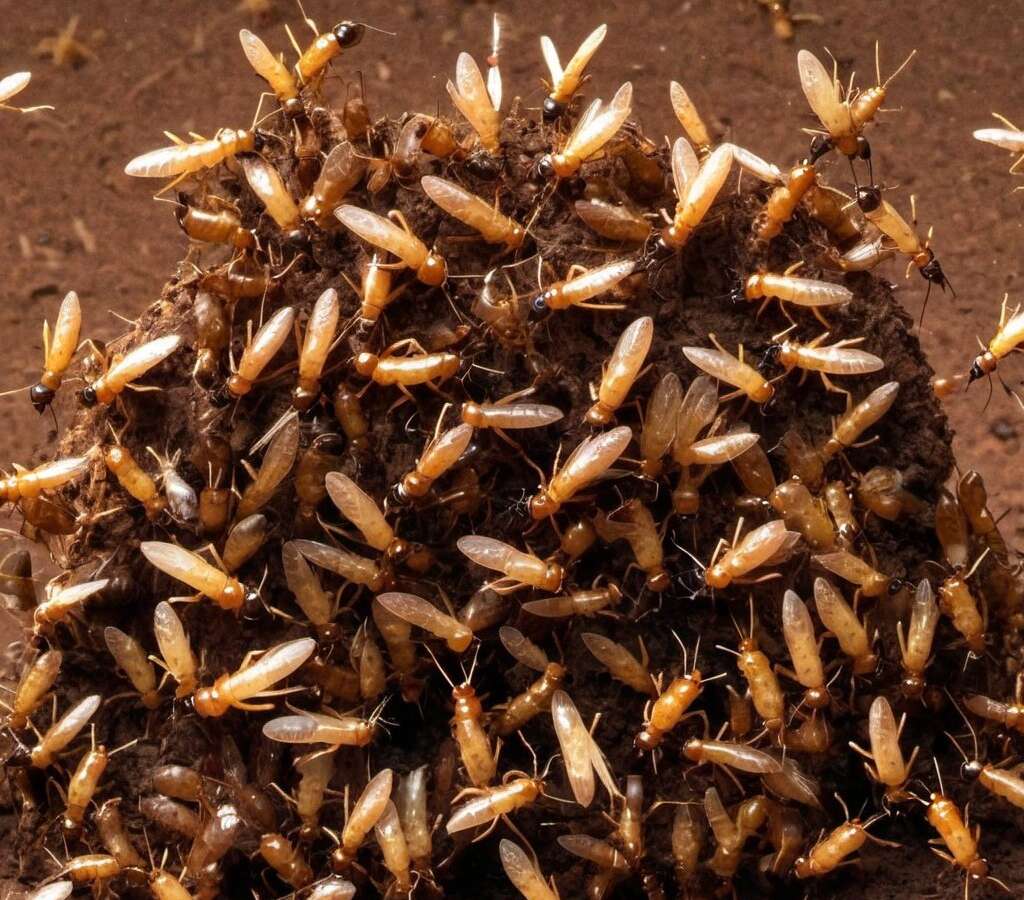
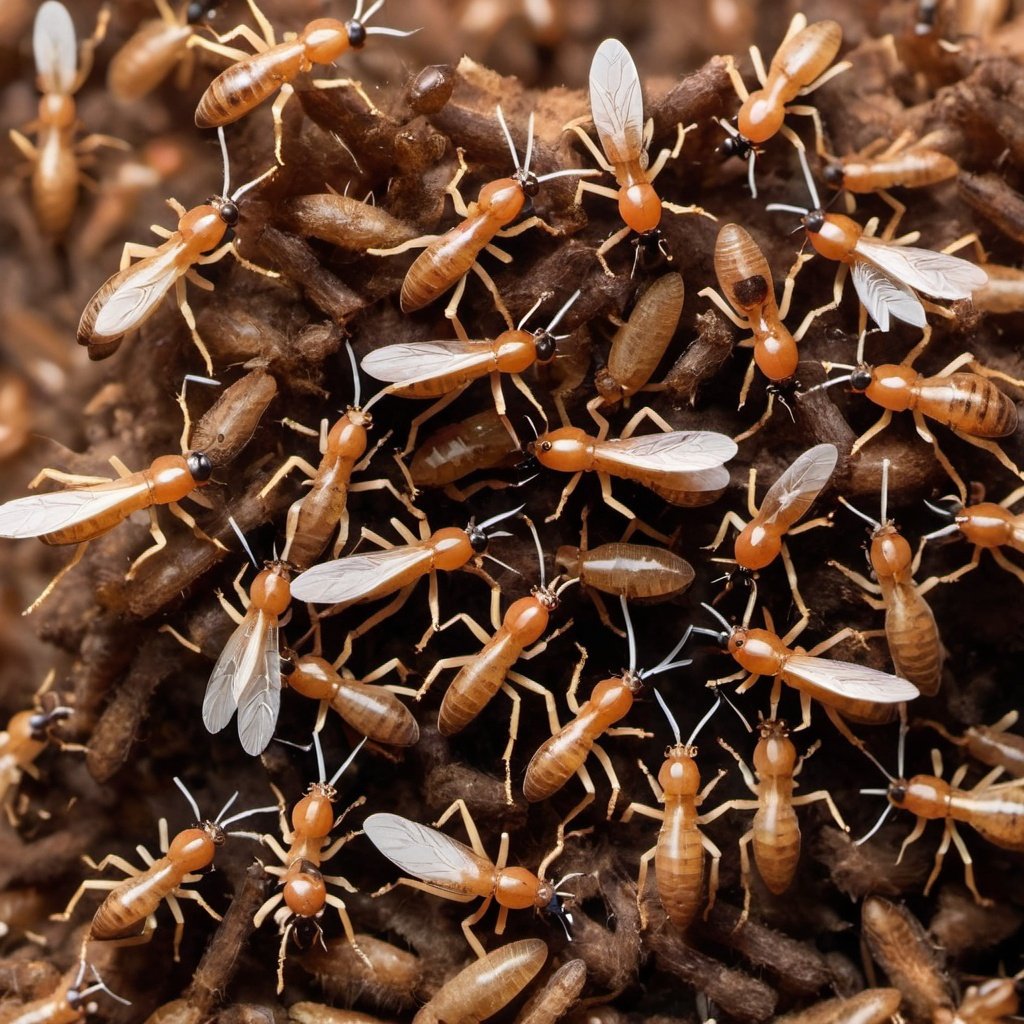
Discarded wings are another clue. During spring swarming season, reproductive termites leave the colony to start new nests. After landing, they shed their wings, which may be found near windowsills, baseboards, or wall edges.
For additional information about termite damage and pest prevention, homeowners can visit the U.S. Department of Housing and Urban Development at
https://www.hud.gov
Why Drywall Damage Often Goes Unnoticed
One of the challenges a Broken Arrow Exterminator faces when dealing with termite infestations is that drywall often hides the full extent of the problem. Termites typically attack wooden framing behind the drywall first, leaving the visible wall surface intact for a long time.
Because the drywall remains in place, homeowners may not realize that significant structural damage is occurring behind the scenes. By the time visible signs appear on the drywall surface, termites may have already been active for months or even years.
This hidden feeding behavior is one reason why routine inspections are so important in areas like Broken Arrow and the Tulsa region, where subterranean termites are common.
Homeowners who want to learn more about termite prevention and professional pest protection can visit
https://termmax.net
When to Contact a Broken Arrow Exterminator for Termite Damage
If you notice soft drywall, bubbling paint, or unexplained holes appearing in your walls, it may be time to contact a Broken Arrow Exterminator for a professional inspection. Termite infestations rarely resolve on their own and can quickly spread to other areas of the structure.
Professional exterminators use specialized tools and training to identify termite activity hidden behind drywall. In many cases, they can detect termite tunnels, moisture conditions, and structural vulnerabilities that homeowners may overlook.
Once an infestation is confirmed, treatment options may include targeted termite treatments, soil barrier systems, or long-term monitoring stations designed to eliminate the colony and prevent future infestations.
Early intervention is the best way to minimize structural damage and repair costs. Termites cause billions of dollars in property damage each year across the United States, and homes in Oklahoma are particularly vulnerable due to the region’s climate and soil conditions.
If you suspect termites may be damaging drywall or other parts of your home, a Broken Arrow Exterminator can help identify the problem and provide a professional solution. Homeowners in Broken Arrow and the surrounding Tulsa area can schedule an inspection or learn more about termite protection services by visiting
https://termmax.net/contact.