

When it comes to maintaining a pest-free home, understanding how insects like wasps and bees operate is crucial. Broken Arrow Pest Control specializes in pest management and aims to educate homeowners on the behavior and nesting habits of these common pests. This knowledge can be invaluable in preventing infestations before they happen.
Understanding Wasps and Bees
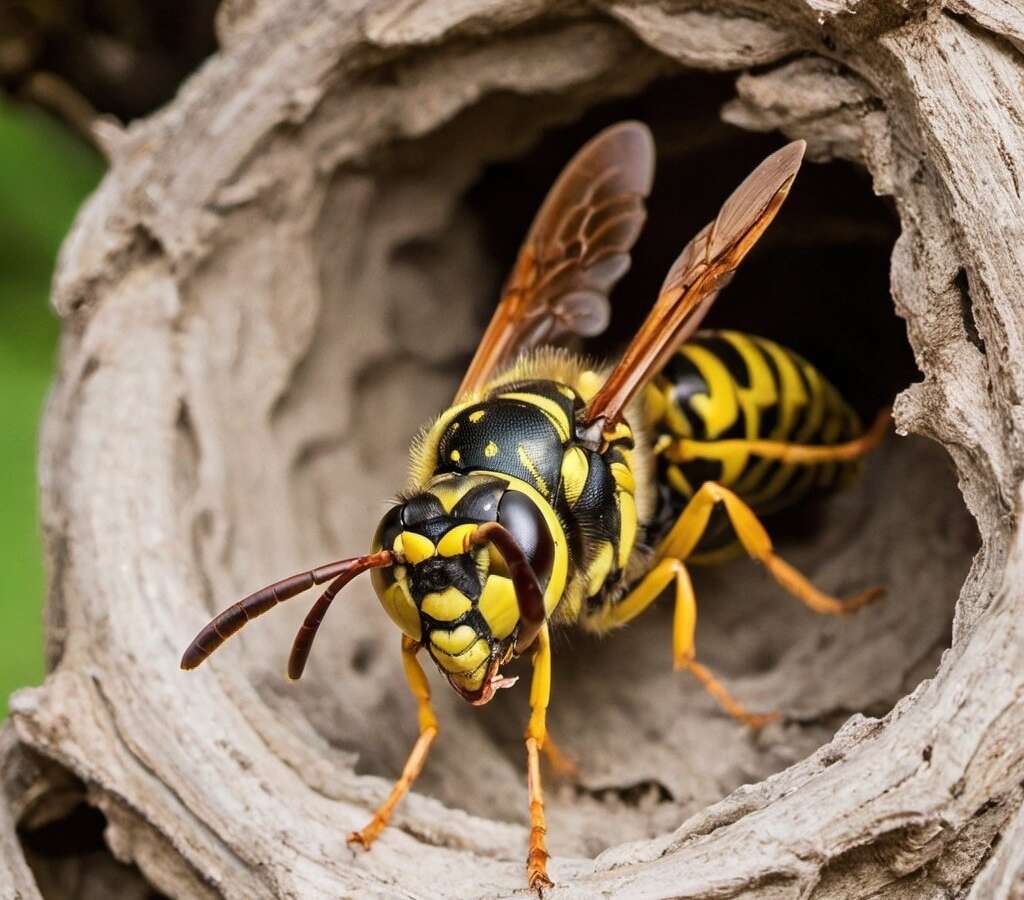
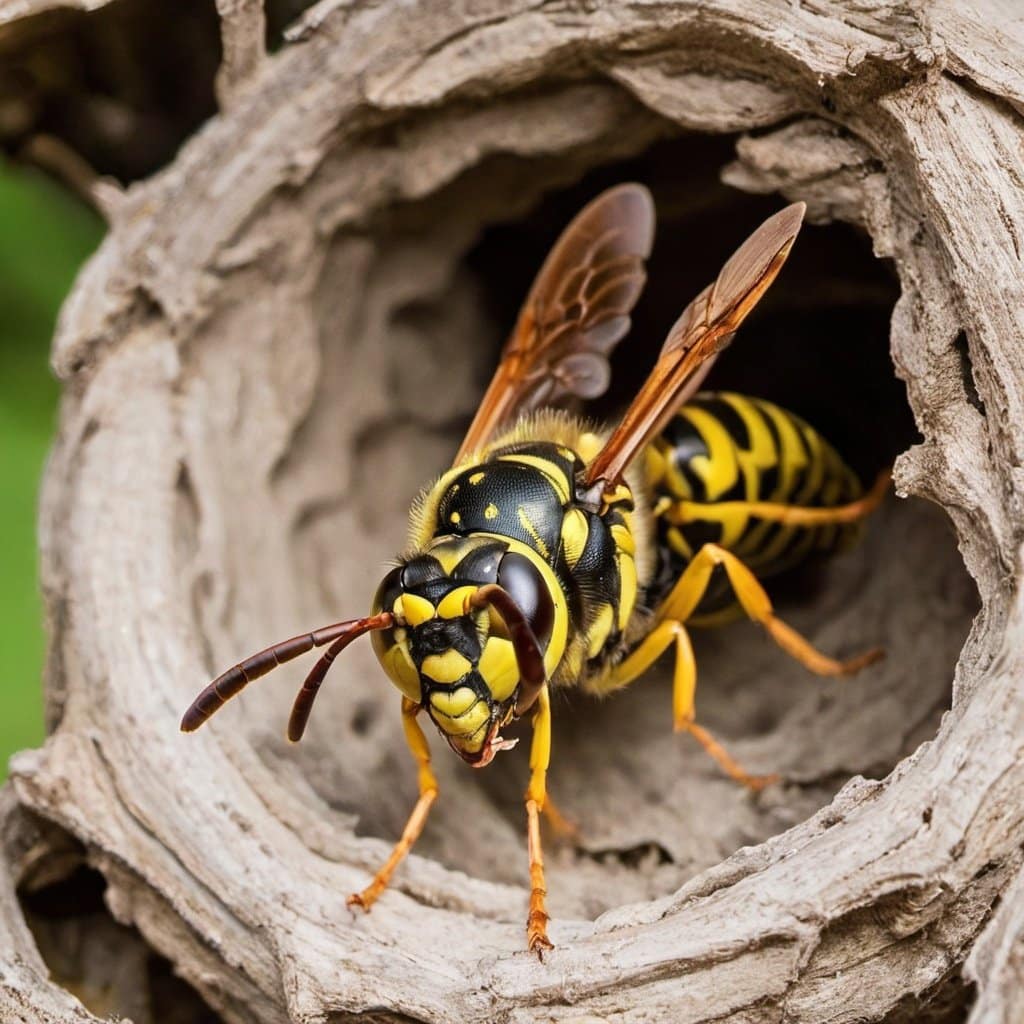
Wasps and bees are often confused due to their similarities, yet they have distinct differences in behavior and nesting preferences. Wasps tend to be more aggressive than bees and prefer to build their nests in sheltered areas, such as under eaves, in attics, and in garden sheds. Bees, on the other hand, usually build their hives in more open spaces and are often found in trees or shrubs.
Nesting Habits
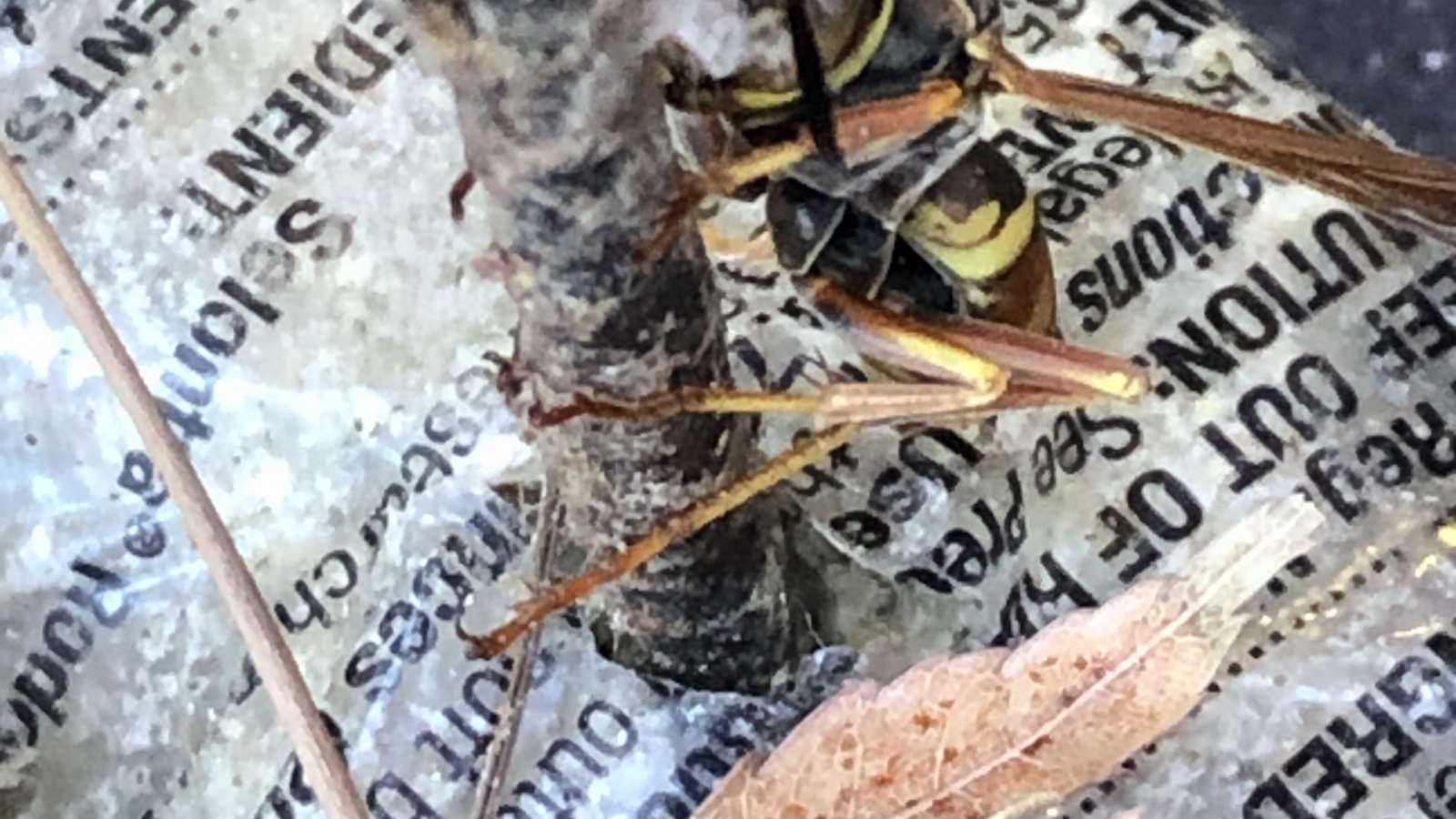
Both wasps and bees utilize different materials to construct their nests. Wasps generally use a mix of wood fibers and saliva to create a paper-like nest. This nest can expand quickly as they grow in number. In contrast, honey bees build their hives from beeswax, which they produce by secreting wax from special glands. Understanding these nesting habits can help homeowners identify potential infestation zones early on.
Why Do They Choose Your Home?
Your home can be an attractive location for these pests due to easy accessibility to food and water sources. Wasps are particularly drawn to uncovered trash cans, fruit trees, and outdoor dining areas. If you’re experiencing a wasp or bee issue, consider evaluating your surroundings. For a deeper understanding of what attracts these pests, you can read more at University of Wisconsin-Milwaukee.
Signs of Infestation
Spotting a nest can be the first sign of an infestation. However, other indicators include increased insect activity and buzzing noises in your attic or along the exterior walls. If you suspect a nest, it is advisable to monitor the situation closely. At Termmax, we provide detailed guides on identifying various pests.
Effective Prevention Strategies
- Keep food and drink covered during outdoor activities.
- Seal entry points around your home, such as gaps in windows and doors.
- Maintain clean outdoor spaces, including regularly disposing of trash.
- Use decoys or traps to deter wasps from nesting.
Implementing these strategies can significantly reduce the chance of attracting wasps and bees to your home. Moreover, if you are unsure about how to handle an infestation, consider reaching out to professionals like Broken Arrow Pest Control. Our team can assess your property and recommend appropriate treatments.
When to Call a Professional
Attempting to remove a wasp nest without proper equipment can be dangerous. If you are experiencing a significant problem, do not hesitate to contact a pest control service. Professionals have the expertise and tools to safely handle infestations. For reliable pest control services, visit Termmax to learn more about our local services and how we can help.
Conclusion
Protecting your home from wasps and bees requires vigilance and preventive measures. Understanding their nesting behavior, signs of infestation, and calling in experts when necessary are essential. By working with Broken Arrow Pest Control, you can take a proactive approach to keep your environment safe and pest-free. For additional information on pest management and pest behavior, refer to the supports offered by North Dakota State University.