

When it comes to termites, early identification is crucial. Broken Arrow Pest Control can help in identifying the warning signs before a small infestation turns into a major problem. Termites can cause serious damage to your home. Understanding their early warning signs can save you time and money.
Common Warning Signs of Termite Infestation
Termites are crafty pests that often go unnoticed until significant damage occurs. Here are some common signs that may indicate an invasion:
- Thin mud tubes on exterior walls
- Damaged wood or hollow sounds when tapped
- Frass, which looks like small wood shavings
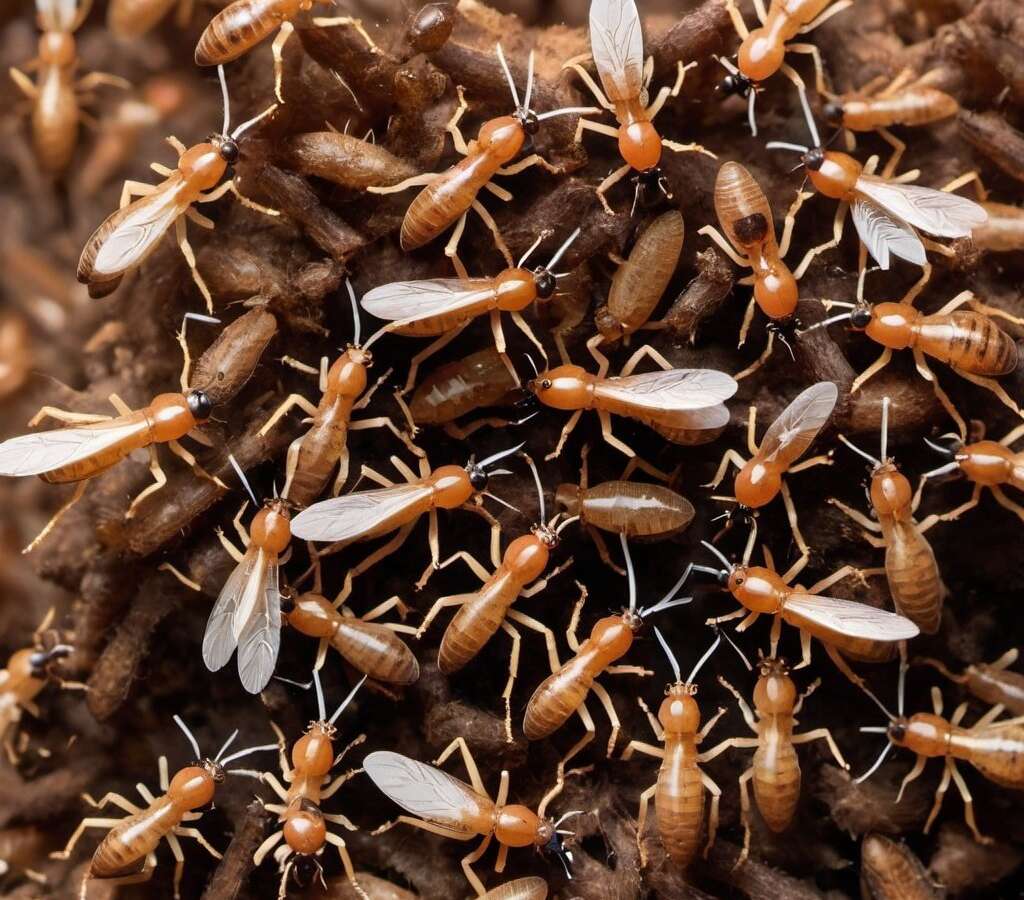
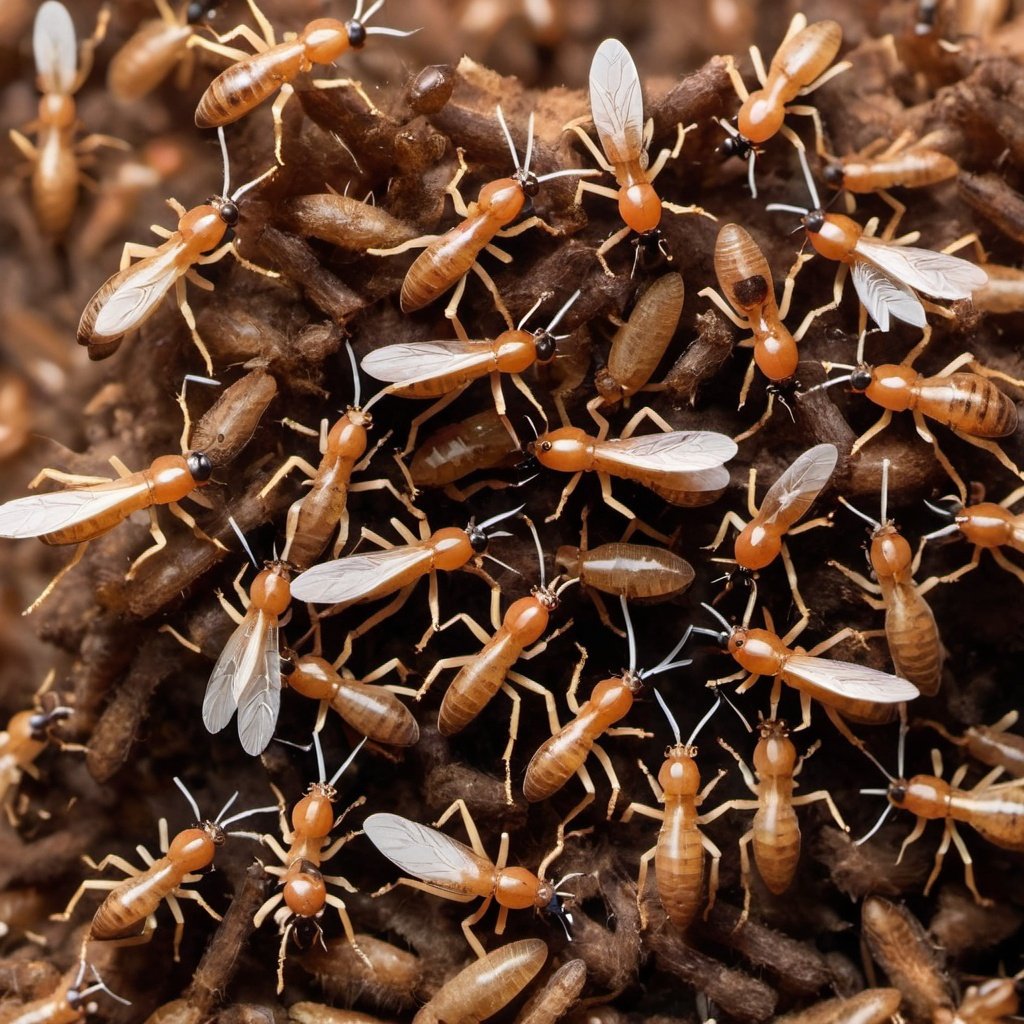
- Swarmers or discarded wings near windows and doors
Each of these signs could point to an infestation that requires immediate attention from Broken Arrow Pest Control.
Inspection and Early Action
If you notice these signs, act quickly. A professional inspection is important. Broken Arrow Pest Control offers comprehensive check-ups to catch termites early. This can significantly reduce the risk of severe damage.
During the inspection, we look for various factors, including:
- Moisture levels in the wood
- Structure type and condition
- Surrounding vegetation and its role in pest attraction
After evaluation, we will develop an effective treatment plan tailored to your needs. For more detailed information on pest control, visit Purdue University’s pest management guide.
Preventive Measures with Broken Arrow Pest Control
Prevention is the best strategy. Here are some valuable tips to keep termites at bay:
- Remove dead trees and stumps from your yard
- Seal cracks and entry points in your home
- Keep wood piles away from the foundation
Additionally, consider regular inspections by Broken Arrow Pest Control to maintain peace of mind. Regular assessment helps in identifying potential problems before they worsen.
For more information about our services, check out TermMax’s website and discover how we can assist you. If you suspect termite activity, don’t wait. Contact Broken Arrow Pest Control today and ensure your home remains safe and sound. Our experts are here to help!
For more pest management tips and information, visit Colorado State University’s pest management resource.