

Understanding pest behavior is crucial for effective pest management. The Broken Arrow Exterminator offers insights into how irrigated flower beds can support summer ant activity. With the right knowledge, homeowners can make informed decisions to protect their gardens.
How Irrigation Affects Ant Populations
Irrigated flower beds create an ideal environment for ants. Water availability encourages plant growth, which in turn attracts more insects. These insects become food for ants, leading to increased ant activity. Here are some factors to consider:
- Moist soil provides ideal nesting conditions.
- Flower beds attract aphids and other pests.
- Ants are drawn to sugary substances from plants.
Signs of Ant Infestation
Recognizing an ant infestation early can save your garden. Look for:
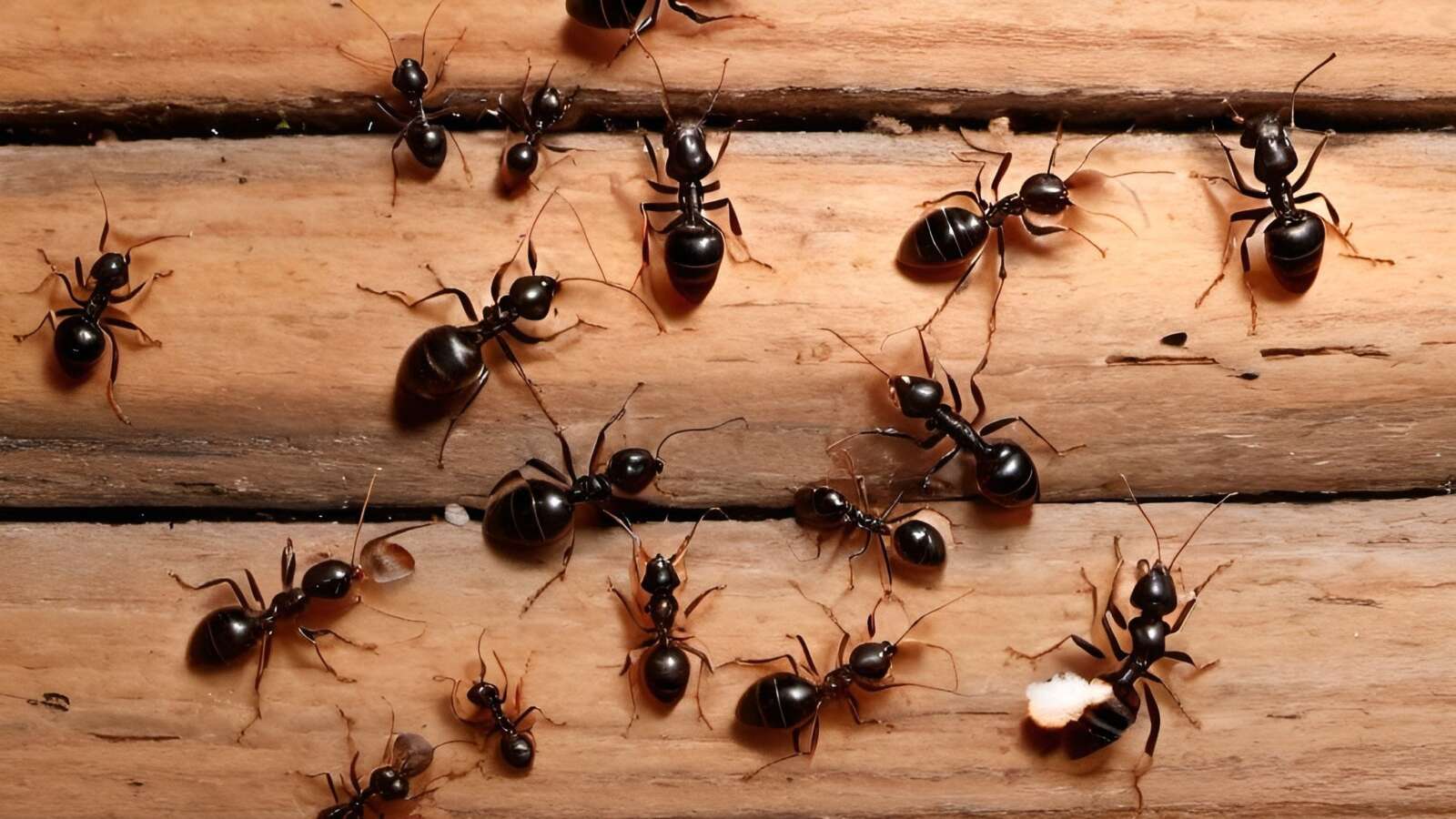
- Visible ant trails.
- Small holes in the soil.
- Damage to plants or flowers.
If you notice these signs, it’s time to act. The Broken Arrow Exterminator can help identify the problem and develop a solution.
Preventative Measures for Homeowners
Prevention is key in pest control. Here are some tips to keep ants away from your flower beds:
- Limit watering to avoid excess moisture.
- Remove debris and dead plants regularly.
- Use barriers like diatomaceous earth around plants.
By applying these strategies, you can create a less welcoming environment for ants. More information can be found at Termmax and on University of Minnesota Extension.
In conclusion, understanding how irrigated flower beds support summer ant activity is essential. With insights from the Broken Arrow Exterminator, you can take proactive measures. For professional pest control services, contact us today at Termmax.