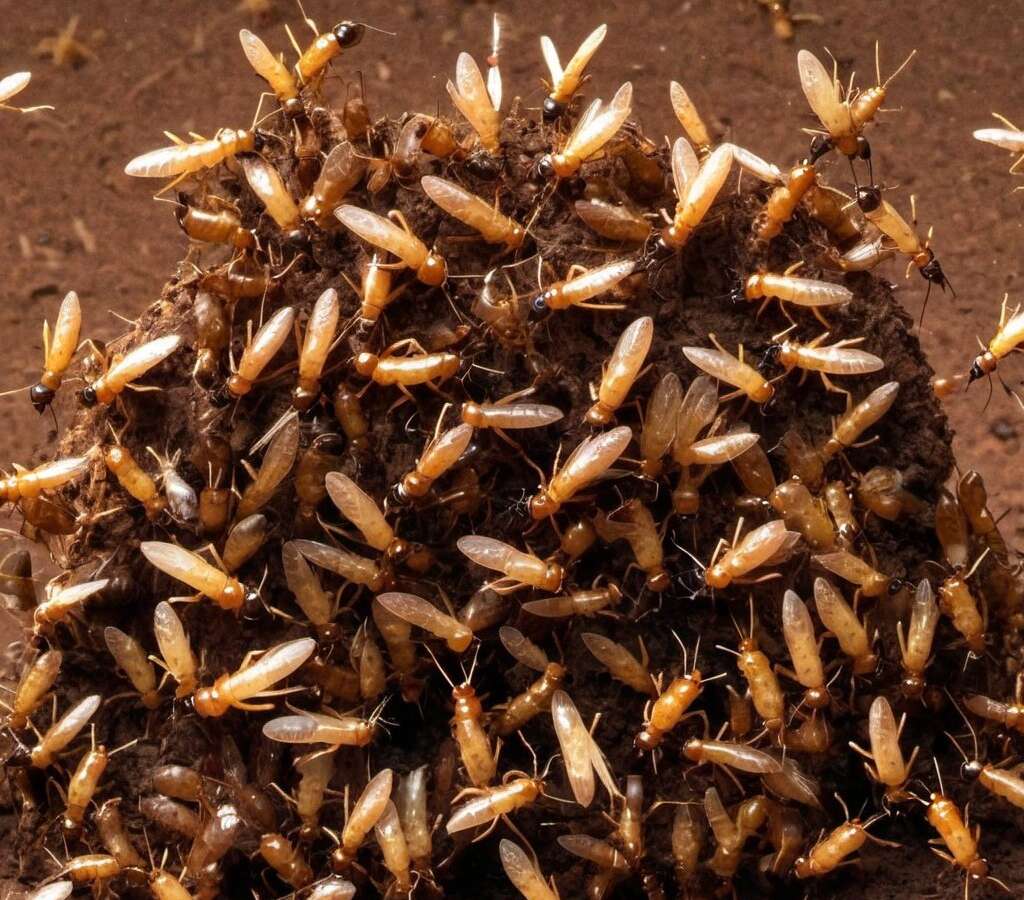

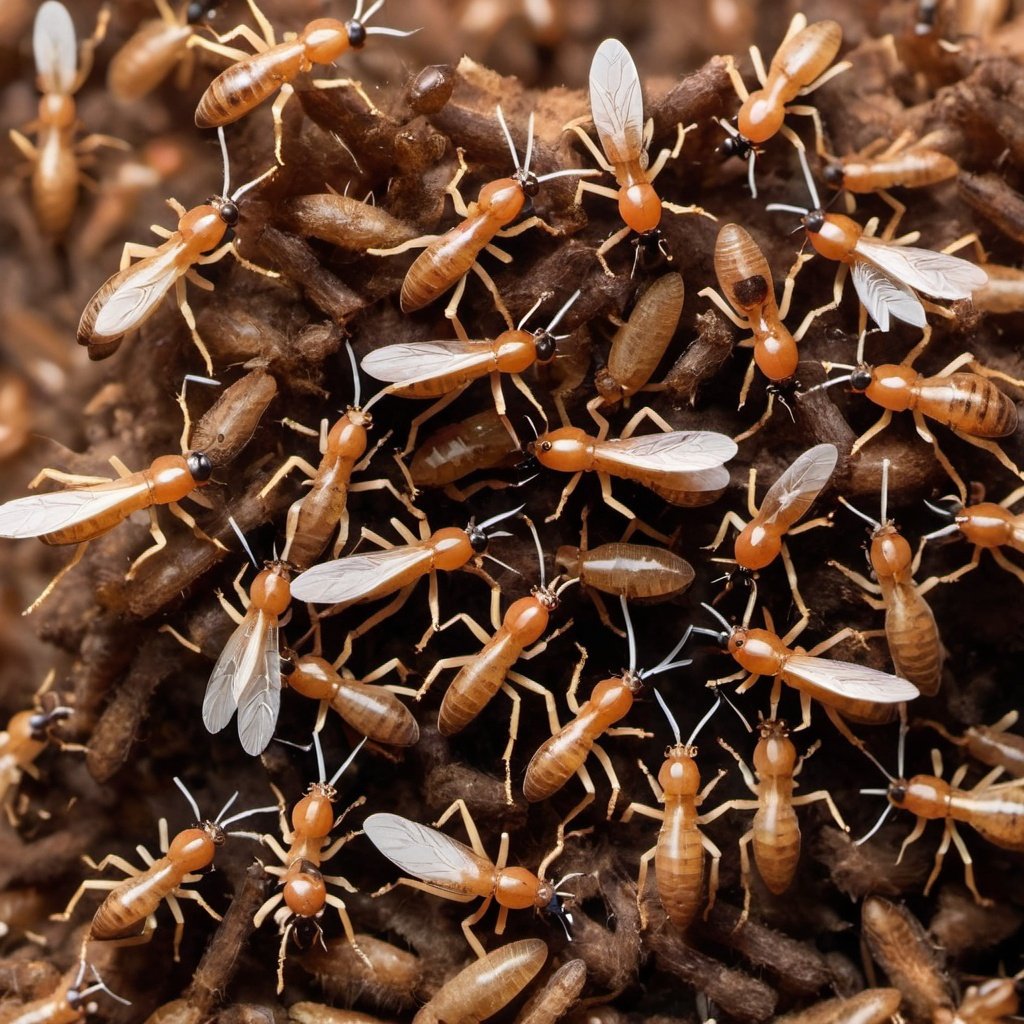

Termites are one of the most destructive pests that can threaten a home in Oklahoma. They do not need to make a lot of noise or walk across your kitchen counter to cause trouble. In many cases, a termite colony can work quietly behind walls, beneath floors, or around the foundation for a long time before a homeowner realizes there is a problem. That is why termite prevention and regular inspections are so important. A professional Tulsa Pest Control company can help identify the warning signs, determine whether termites are active, and explain the treatment options available for protecting the structure.
Most of the termite problems we deal with in Oklahoma involve subterranean termites. As their name suggests, these termites normally live in the soil. They depend on a moist environment and travel between their underground colony and sources of cellulose. Cellulose is found in wood and many other plant-based materials. Unfortunately, the lumber, paper backing on drywall, and other materials used in a house can provide termites with exactly what they are looking for.
Because subterranean termites need protection from dry outside air, they often build mud tubes. These narrow tubes are made from soil and other material and can appear on foundation walls, piers, plumbing penetrations, or other surfaces. The tube gives termites a protected route between the soil and the structure. Finding a mud tube does not automatically tell you the full size of the infestation, but it is an important warning sign that deserves a professional inspection.
Termite colonies are highly organized. Workers make up much of the active colony and perform jobs such as gathering food, caring for young termites, and maintaining the nest. Soldiers help defend the colony. Reproductives are responsible for producing new termites and expanding the population. At certain times of the year, winged reproductive termites called swarmers or alates may leave an established colony to pair up and begin new colonies.
Homeowners sometimes confuse termite swarmers with flying ants. There are differences in their body shape, antennae, and wings, but when a swarm happens inside or immediately around a house, the safest response is to have the insects identified. A swarm can be an important clue that a mature termite colony is nearby. Even if the swarmers disappear quickly, the underlying colony may still be active.
Another sign of termite activity can be damaged wood. Termites may consume wood from the inside, leaving a thin outer surface that can make the damage difficult to see. Wood may sound hollow when tapped, trim may become weak, or a homeowner may discover damage while remodeling. Termites can also feed on the paper surface of drywall. In some cases, unusual soft spots, blistering, or soil-like material around damaged areas can point toward termite activity.
Moisture problems can make a property more attractive to subterranean termites. Leaking plumbing, poor drainage, standing water, clogged gutters, or soil that stays wet against the foundation can create favorable conditions. Wood that touches the soil can also provide an easy route into a structure. Firewood, landscape timbers, wooden debris, and other cellulose materials should be managed carefully around the home.
Prevention begins with making the structure less inviting. Correcting moisture problems, keeping gutters and downspouts working properly, improving drainage, and reducing unnecessary wood-to-soil contact can all help. Homeowners should also pay attention to cracks, expansion joints, plumbing penetrations, and other areas where termites may gain concealed access. Prevention does not guarantee that termites will never appear, but it can reduce risk and make the property easier to inspect.
A termite inspection is different from simply walking around the house looking for insects. A trained Tulsa Pest Control professional looks for evidence of activity, conducive conditions, possible entry points, mud tubes, damaged materials, and other signs. Crawl spaces, garages, utility areas, foundation edges, and other accessible parts of the structure may all need to be examined. The goal is to understand what is happening before deciding how the property should be treated.
There are two major approaches commonly used for subterranean termite control: liquid soil treatments and termite baiting systems. A liquid treatment creates treated soil in areas where termites may travel between the colony and the structure. Depending on the construction, this can involve trenching soil along the foundation and treating beneath concrete through carefully placed drill holes. The exact application depends on the product label and the structure itself.
Liquid termite treatments have been used successfully for many years. They can provide strong protection when they are applied correctly, but they can also be labor intensive. Concrete patios, porches, attached garages, plumbing, additions, and unusual foundation designs can make a treatment more complicated. This is one reason a professional inspection and treatment plan are important before work begins.
Termite bait stations use a different strategy. Stations are installed in the soil around the structure where foraging termites may encounter them. Once termites begin feeding on an active bait, the material can be shared through the colony. Baiting systems are designed around termite behavior and can be an effective way to manage a colony while also providing ongoing monitoring around the property.
Bait stations are not simply installed and forgotten. They need to be inspected and maintained according to the system being used. Soil conditions, landscaping, construction changes, and other factors can affect station placement and accessibility. Ongoing service is an important part of a baiting program because termite pressure can change over time.
In some situations, a Tulsa Pest Control company may recommend one primary treatment method. In other situations, different methods may be used together as part of a broader termite management plan. The right approach depends on the evidence found during the inspection, the design of the structure, the location of termite activity, and the goals of the homeowner.
One mistake homeowners can make is waiting until damage becomes obvious. Termites are not likely to announce themselves. By the time visible damage appears, they may have been active for a significant period. If you see mud tubes, swarmers, suspicious wood damage, or other warning signs, it is better to have the property inspected than to hope the problem disappears on its own.
It is also important not to disturb every suspicious area before an inspection. Breaking open mud tubes or spraying random products may remove some visible termites without solving the colony that is producing the activity. A professional can use the evidence that is present to help determine where termites are traveling and what treatment strategy makes sense.
Termites are part of the natural environment. In forests and other outdoor settings, they help break down dead plant material and return nutrients to the soil. The problem begins when the structure we built becomes part of their food source. Our goal is not to eliminate termites from nature. It is to keep them from damaging the home and to control colonies that are threatening the structure.
For Oklahoma homeowners, termite protection should be viewed as part of maintaining the property. Roofs, plumbing, heating and cooling systems, and foundations all require attention over time, and termite protection belongs on that list. A house is too valuable to ignore a pest that can quietly feed on structural materials.
If you are concerned about termites, TermMax Pest Control can help. We can inspect the property, look for signs of subterranean termite activity, and explain the options available for treatment or prevention. If you need a Tulsa Pest Control company for a termite inspection, liquid treatment, or termite baiting system, give TermMax Pest Control a call. Protecting your home early can be much easier than dealing with extensive termite damage later.