

Wasps are a normal part of the Oklahoma outdoors, but they can become a serious concern when they build nests close to the places where people live, work, and play. A nest near a front door, patio, deck, children’s play area, garage, or walkway can put family members and visitors in close contact with defensive insects. When wasp activity becomes frequent or a nest is located in a difficult area, a professional Tulsa Pest Control company can identify the problem and recommend an appropriate way to handle it.
People often use the words bee and wasp interchangeably, but these insects are not all the same. Different species have different nesting habits, behaviors, and levels of defensiveness. Some build open paper combs beneath eaves. Others create enclosed paper nests in trees or protected voids. Some species nest in the ground. Correct identification can make a big difference when deciding how a nest should be approached.
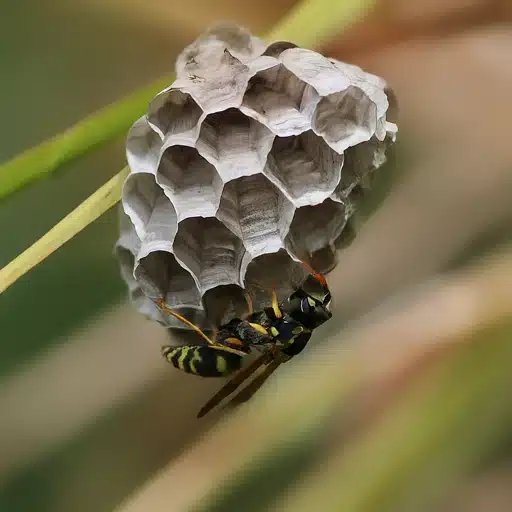
Paper wasps are commonly noticed around homes because their umbrella-shaped nests may be attached beneath eaves, porch ceilings, railings, sheds, or other protected surfaces. The cells of the nest are often visible from below. A small nest early in the season may contain relatively few wasps, but the colony can grow as the season progresses.
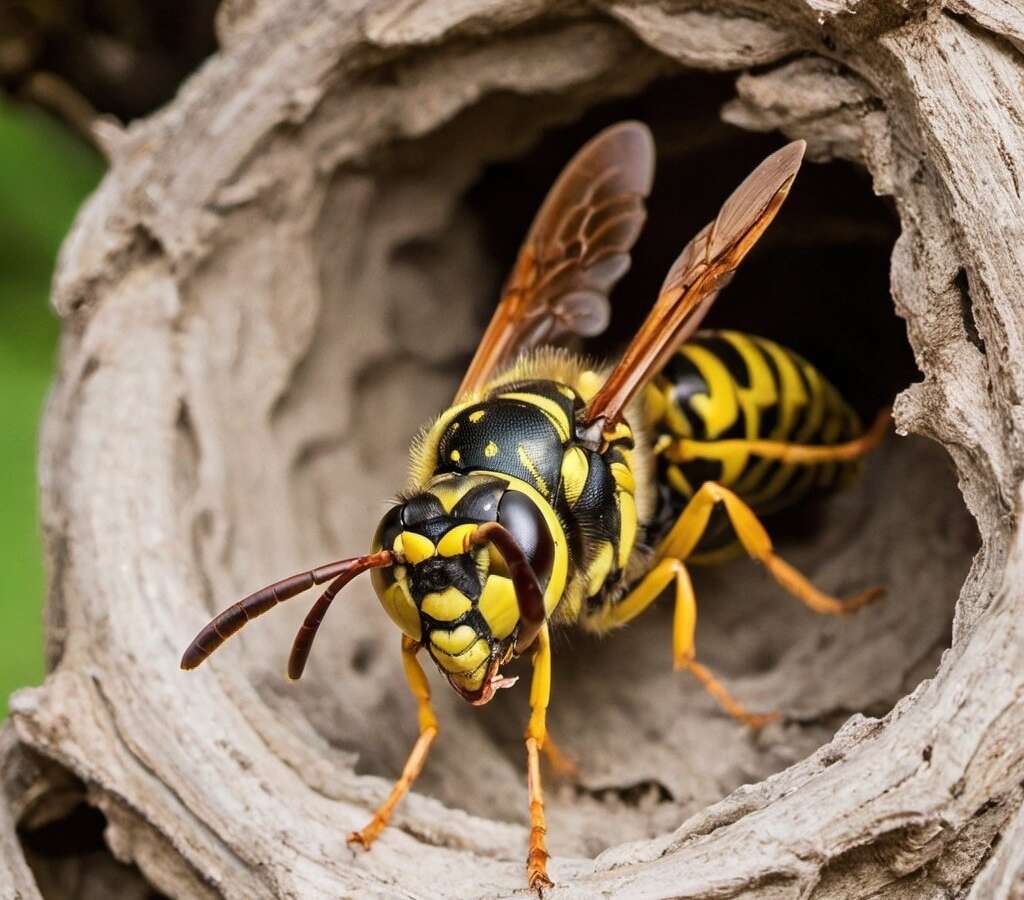
Yellowjackets can be more difficult because some species build nests in the ground or inside wall voids and other concealed spaces. Homeowners may notice a steady stream of wasps entering and leaving one small opening. Disturbing that entrance can cause the colony to defend the nest, so repeated flight activity around a hole or structural gap should be treated carefully.
Hornets and other social wasps may build larger enclosed paper nests. These nests can sometimes be visible in trees, shrubs, or on structures. A nest that appears far from normal activity may not create an immediate problem, but a colony close to doors, sidewalks, work areas, or places where children and pets spend time can create a safety concern.
Wasps are not simply pests. Many are predators of other insects, and some also visit flowers. In the natural environment they can play a useful role. The goal of pest control is not to remove every wasp from the outdoors. The concern is managing nests and activity that create an unacceptable risk around people.
Late summer can be a particularly noticeable time for wasp activity. Colonies that started small earlier in the year may have grown substantially. Workers may also spend more time searching for food. Sugary drinks, outdoor meals, trash containers, fallen fruit, pet food, and other sources can draw wasps toward patios and gathering areas.
Basic sanitation can help reduce some of that attraction. Keep outdoor trash containers closed, clean spills, remove fallen fruit, and avoid leaving sugary drinks or food uncovered. These steps will not eliminate an established nest, but they can reduce the number of reasons for foraging wasps to remain around a particular area.
Home maintenance can also help. Gaps around siding, soffits, vents, utility penetrations, and other exterior openings may provide access to protected spaces. Damaged screens and openings around sheds or outbuildings can create additional nesting opportunities. Sealing appropriate gaps after activity has been resolved can help reduce future problems.
If you discover a wasp nest, distance matters. Trying to knock down, spray, burn, flood, or otherwise disturb an active nest can cause defensive behavior. This is especially risky for anyone with a history of serious reactions to stings. A nest high above the ground, inside a wall, beneath the soil, or in another difficult location can create additional hazards for a homeowner attempting a do-it-yourself treatment.
Stings are painful for most people, and some people can experience serious allergic reactions. Anyone who develops symptoms of a severe allergic reaction after a sting should seek emergency medical care. Pest control deals with the insects and the nest; medical professionals handle reactions to stings.
A professional inspection begins by identifying where the wasps are traveling and, when possible, what type of wasp is involved. The visible insects are only part of the problem. The location of the nest, the construction around it, the amount of activity, and the way people use the surrounding area all affect the treatment plan.
For an exposed paper-wasp nest, treatment may be relatively straightforward when performed with the proper equipment and at the appropriate time. Concealed nests can require a different approach. Treating only the wasps flying outside may not solve activity coming from a colony inside a wall void or underground nest.
It is also important to avoid sealing an active entry point before the colony has been addressed. If wasps are using a structural opening and that opening is sealed while insects remain inside, they may search for another way out. In some situations that can move activity toward the interior of the building. The colony should be handled first, and exclusion work can follow when appropriate.
Homeowners can also watch for early signs of nest construction. Small paper nests under eaves, repeated wasp traffic around one opening, or a growing concentration of insects in one area are all reasons to pay attention. Addressing a problem while the colony is still small can be easier than waiting until late summer when populations may be larger.
Businesses have many of the same concerns. Restaurants, offices, warehouses, schools, churches, and other properties may have outdoor trash areas, loading zones, entrances, patios, landscaping, and rooflines that attract or shelter wasps. Regular inspection and sanitation can help reduce conditions that bring wasps into close contact with employees and customers.
A Tulsa Pest Control company can also help distinguish between a wasp problem that needs treatment and occasional outdoor activity that may not require control. Seeing one wasp visiting flowers is very different from seeing dozens repeatedly entering a wall opening beside the front door. The goal is to make a practical decision based on the actual risk and location.
TermMax Pest Control handles wasp problems throughout the Tulsa area. We can inspect the activity, locate nests when possible, identify the type of situation you are dealing with, and determine an appropriate treatment strategy. We also look at conditions around the property that may contribute to repeated nesting.
If wasps are building a nest near your home, business, patio, doorway, or another frequently used area, do not put yourself unnecessarily close to an active colony. Give TermMax Pest Control a call. A professional Tulsa Pest Control service can help take care of the problem and make the area more comfortable for your family, employees, customers, and guests.