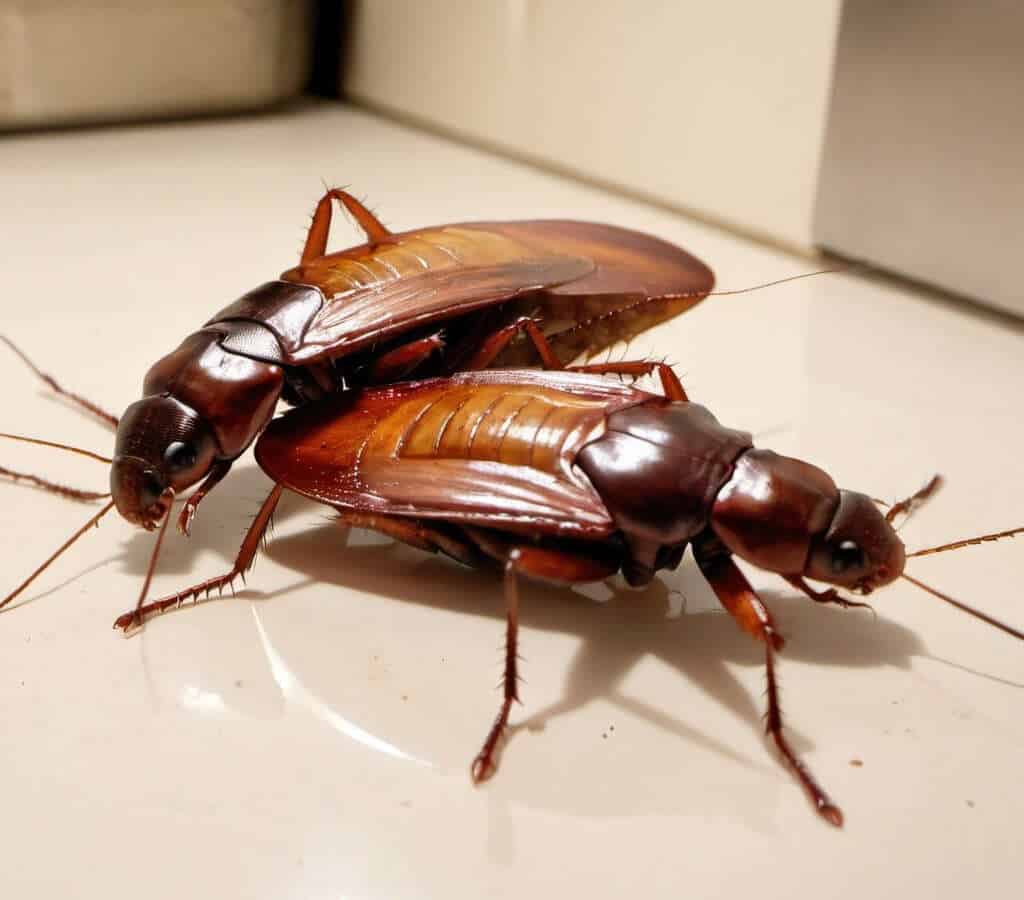

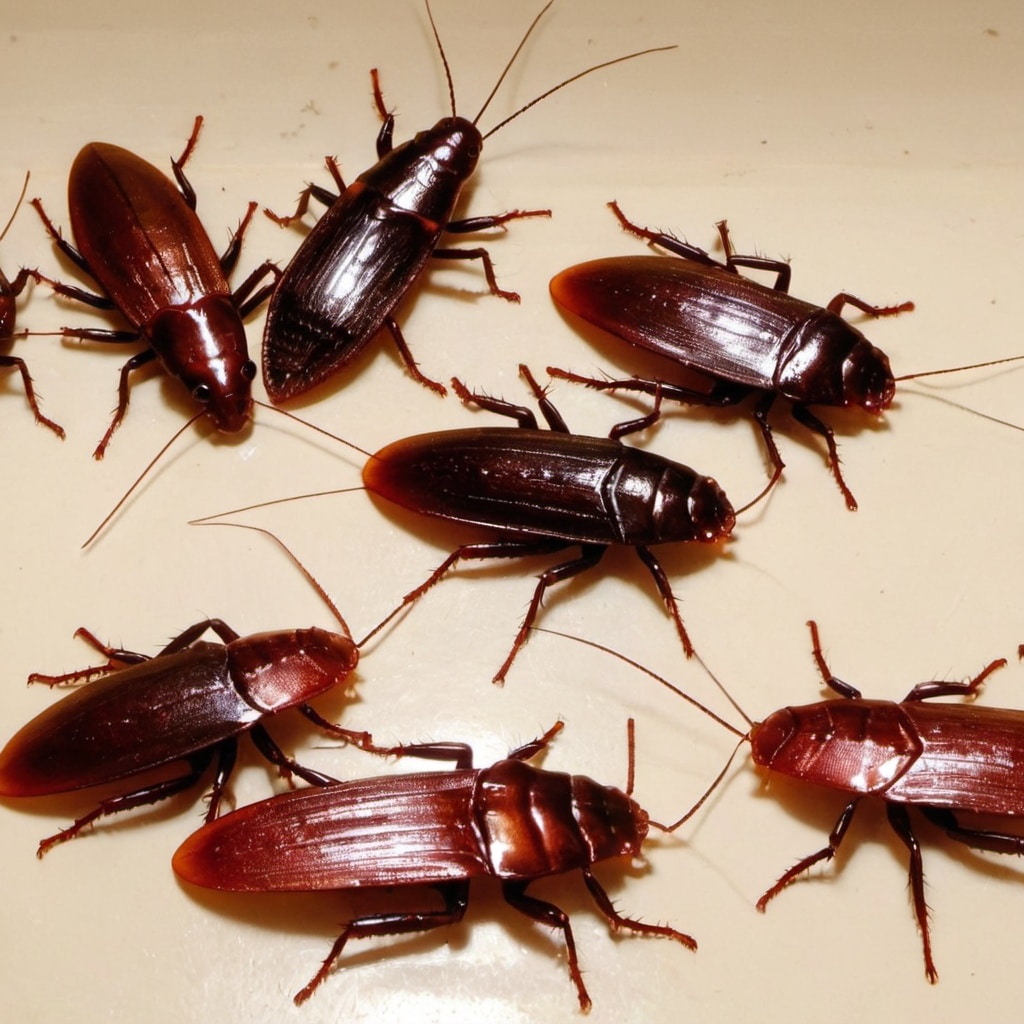

Cockroaches are one of the most common and frustrating pests found in Oklahoma homes. They can move into kitchens, bathrooms, garages, laundry rooms, pantries, and other areas where food, water, and shelter are available. Once they become established, they can be difficult to eliminate because they spend much of their time hidden in cracks, cabinets, appliances, wall voids, and other protected spaces. If cockroaches keep appearing around your home, professional Broken Arrow Pest Control can help identify the species, locate the areas supporting the infestation, and develop an appropriate treatment plan.
One reason cockroaches are such successful pests is that they are extremely good at hiding. Many species prefer dark, protected spaces and become more active when the home is quiet. A homeowner may only see an occasional roach while a larger population remains concealed behind appliances, beneath cabinets, around plumbing, or inside small gaps. Seeing cockroaches during the daytime can sometimes indicate that hiding areas are crowded or that the insects have been disturbed.
Food is one of the biggest things that attracts cockroaches. Crumbs beneath appliances, grease around cooking areas, open packages in the pantry, pet food, dirty dishes, and residue inside trash containers can all provide a dependable food supply. Cockroaches do not need a large meal. Small amounts of food that are easy for people to overlook may be enough to support them.
Water is equally important. Leaking faucets, plumbing drips, condensation, wet sponges, standing water, and moisture beneath sinks can make kitchens and bathrooms especially attractive. Repairing leaks and keeping these areas as dry as practical can remove an important resource. A good cockroach-control program usually involves more than pesticide alone; it also involves reducing the food, water, and shelter that allow the population to thrive.
German cockroaches are among the most troublesome indoor cockroaches. They are relatively small and commonly become established in kitchens and other warm areas close to food and moisture. They reproduce quickly, which means a small introduction can become a much larger problem if it is not addressed. German cockroaches are often transported into buildings in boxes, bags, used appliances, deliveries, or other items.
American cockroaches are much larger and are commonly associated with warm, damp environments. They may be found around sewers, drains, utility areas, crawl spaces, and other locations where moisture is available. They can occasionally move indoors through gaps, plumbing routes, doors, or other openings. Finding a large cockroach does not necessarily mean the home has the same type of infestation as a German cockroach problem, which is one reason correct identification matters.
Oriental cockroaches also prefer damp areas and are often found around cool, moist locations. Brown-banded cockroaches behave differently and can be found in drier areas, sometimes higher in rooms or around furniture and electronics. Different species have different habits, so a treatment that works well in one situation may not be the best approach in another.
Cockroaches can create sanitation concerns because they travel through many different environments while searching for food and shelter. They may move across garbage, drains, food residue, and other contaminated areas before traveling across counters, cabinets, or food-preparation surfaces. Their body parts, droppings, and shed material can also contribute to indoor allergens. Keeping cockroaches out of kitchens and living areas is an important part of maintaining a clean home.
One of the first signs of an infestation may be droppings. Depending on the species and size of the cockroach, these can look like small dark specks or larger cylindrical material. Homeowners may also notice shed skins, egg cases, dead cockroaches, or a recurring musty odor in areas with heavy activity. Finding these signs around cabinets, appliances, or plumbing can help point toward the places where cockroaches are hiding.
Sanitation is an important first step. Clean food spills promptly, vacuum crumbs from cracks and beneath appliances, store pantry foods in sealed containers, and keep trash covered and removed regularly. Pet food should not be left out unnecessarily, especially overnight. Cardboard boxes and unnecessary clutter should also be reduced because they provide protected hiding areas and can make inspection and treatment more difficult.
Exclusion can help prevent new cockroaches from entering. Gaps around doors, plumbing lines, utility penetrations, cabinets, and exterior walls can provide routes into or through a structure. Sealing appropriate cracks and repairing damaged door sweeps or screens can reduce these opportunities. In apartments, restaurants, and other multi-unit buildings, cockroaches may also move between connected spaces, making a coordinated approach especially important.
Homeowners often reach for an aerosol spray when they see a cockroach. A spray may kill an insect that is contacted directly, but killing the roach you can see does not necessarily address the population hidden nearby. Some repellent products can also change where cockroaches travel or hide. Using too much pesticide in the wrong locations can make an infestation more difficult to evaluate and may interfere with other control methods.
Professional cockroach treatments can involve several tools depending on the species and the conditions found during inspection. Baits can be useful because cockroaches feed on them and carry the effects into areas where insects are hiding. Non-repellent products, insect growth regulators, crack-and-crevice applications, monitoring devices, sanitation, and exclusion may also be incorporated into an integrated treatment plan. Products should always be selected and applied according to their labels.
Monitoring is especially useful with cockroach problems. Sticky monitors placed in appropriate locations can help show where activity is concentrated and whether the population is decreasing. They can also reveal activity in areas where homeowners are not regularly seeing live insects. Follow-up inspections allow the treatment plan to be adjusted as the population changes.
Restaurants and other food-handling businesses have additional reasons to take cockroach activity seriously. Food, water, heat, deliveries, storage areas, and equipment can create excellent conditions for cockroaches. Regular sanitation, inspection, monitoring, and professional service can help find problems before they become severe. A single visible cockroach in a customer area can also create a major concern for a business, even when most of the infestation is hidden elsewhere.
Homeowners should also be careful when bringing used appliances, furniture, cardboard boxes, or stored items into the house. Cockroaches and egg cases can sometimes be transported inside without being noticed. Inspecting items before bringing them indoors and removing unnecessary cardboard can reduce the chance of accidentally introducing pests.
Successful cockroach control usually requires patience. An established infestation may contain adults, nymphs, and egg cases at the same time. Even after treatment begins, newly emerging cockroaches may continue to appear for a period. The important question is whether the overall population and activity are declining. This is why monitoring and follow-up are important parts of a professional program.
Another mistake is treating only the room where a cockroach was seen. The visible insect may have traveled from a nearby harborage area. Kitchens are common problem areas, but cockroaches can also use bathrooms, laundry rooms, utility spaces, garages, wall voids, and areas around water heaters or plumbing. A thorough inspection looks beyond the individual insect and focuses on the conditions supporting the population.
Broken Arrow Pest Control for cockroaches should focus on identification, sanitation, targeted treatment, monitoring, and prevention. There is rarely one single step that solves every infestation. Combining these methods gives the best opportunity to reduce the population and prevent the problem from rebuilding.
If you are seeing cockroaches in your kitchen, pantry, bathroom, garage, restaurant, or anywhere else on your property, TermMax Pest Control can help. We can inspect the areas where cockroaches are active, identify the type of problem, and recommend an appropriate treatment strategy. When you need Broken Arrow Pest Control for a persistent cockroach infestation, give TermMax Pest Control a call. Getting ahead of the problem early can make it much easier to protect your home, your food, and your family.