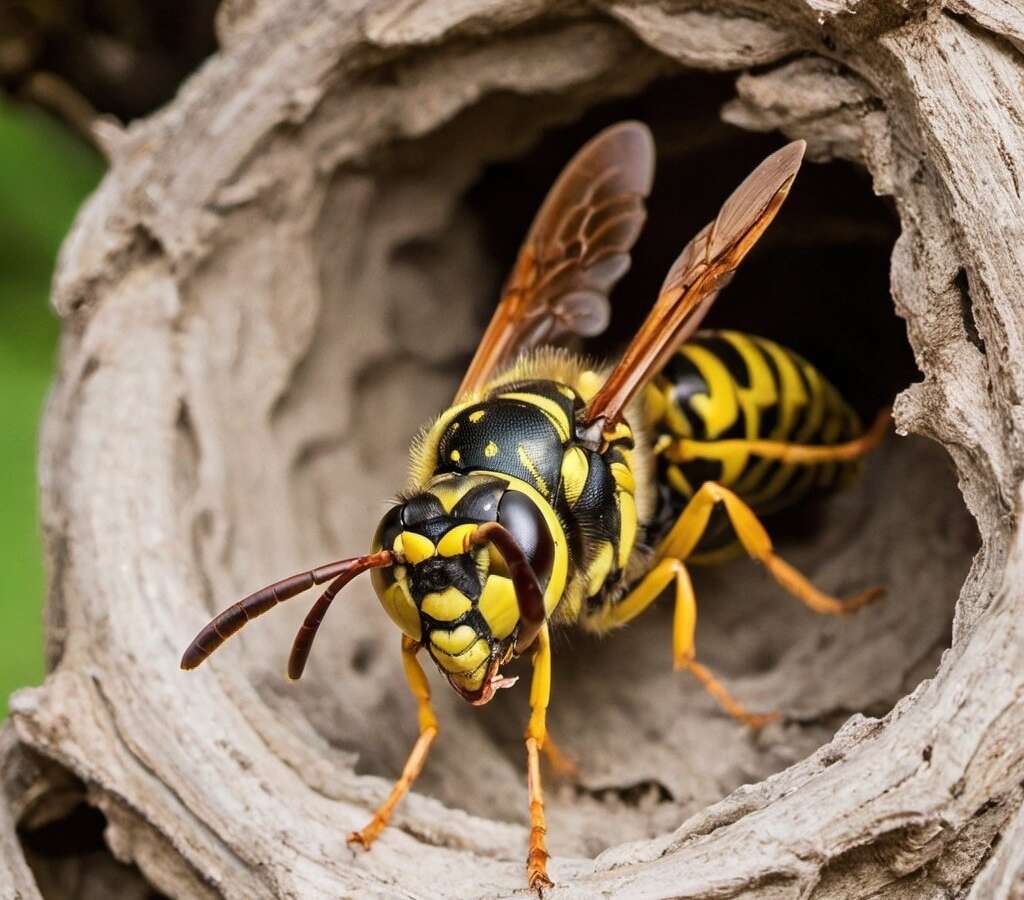

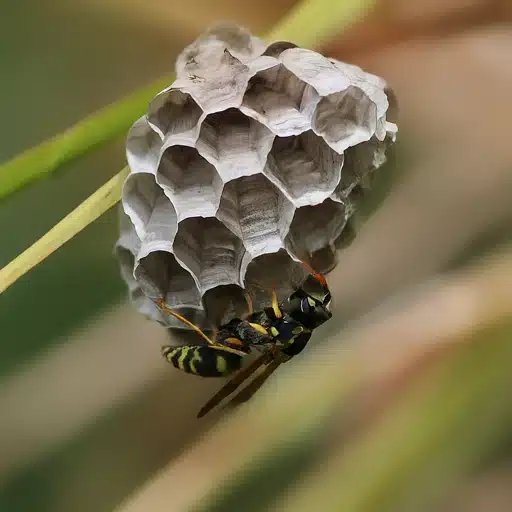

Wasps are stinging insects that are part of our ecosystem and can cause issues for homeowners. They can play important roles in the ecosystem, including pollination and predation. Because of this, it’s important that we don’t try to kill every wasp outdoors. But when wasps build nests close to our loved ones or high-traffic areas, they can become a nuisance and a safety concern. Their stings can cause painful reactions and can be dangerous for people with severe allergies. If you’re having a problem with wasps, you should call a Tulsa Exterminator as soon as you can.
Paper wasps can be a concern because social wasps may defend their nests when they perceive a threat. Nests near doors, porches, play areas, walkways, or other places people regularly use deserve extra caution. Oklahoma State University Extension provides information about common wasps and bees, their nesting behavior, and management around homes.
Solitary wasps include several species that construct distinctive nests. Potter wasps are solitary mason wasps that can build small, pot-shaped mud cells with a rounded body and narrow opening. Mud daubers are a different group of solitary wasps that also use mud for nesting. The organ-pipe mud dauber creates parallel mud tubes that can resemble the pipes of a pipe organ.
Where a nest is located often determines whether it becomes a problem. A solitary wasp nesting away from people may create little risk, while a social wasp colony beside a doorway or porch can put people repeatedly within the nest’s defensive area. Homeowners can reduce encounters by watching for repeated flight activity, keeping food and sugary drinks covered outdoors, securing trash, and checking protected areas around eaves, sheds, railings, and fixtures. Avoid disturbing an active nest, especially when its location makes it difficult to approach safely. A Tulsa Exterminator can identify the situation and determine whether professional control is appropriate.
If you’ve been stung by a wasp, you’ll usually know quickly because stings can be painful. Wasp venom can cause burning, redness, and swelling around the sting site. If you know or suspect that you have a serious allergy to bee or wasp stings, follow your emergency treatment plan and seek emergency medical care for signs of a severe allergic reaction. MedlinePlus provides first-aid guidance for bee, wasp, hornet, and yellow-jacket stings.
For a mild local reaction, basic first aid can include washing the area with soap and water and applying a cold pack to help reduce pain and swelling. Appropriate over-the-counter medications may also be used as directed. Keep the area clean while it heals.
If you think you’re having a problem with wasps or any other pests, it’s time to call a good Tulsa Exterminator who can help. TermMax Pest Control handles wasps and other pest problems around homes and businesses. Contact us so we can evaluate the situation and determine the appropriate approach for your property.