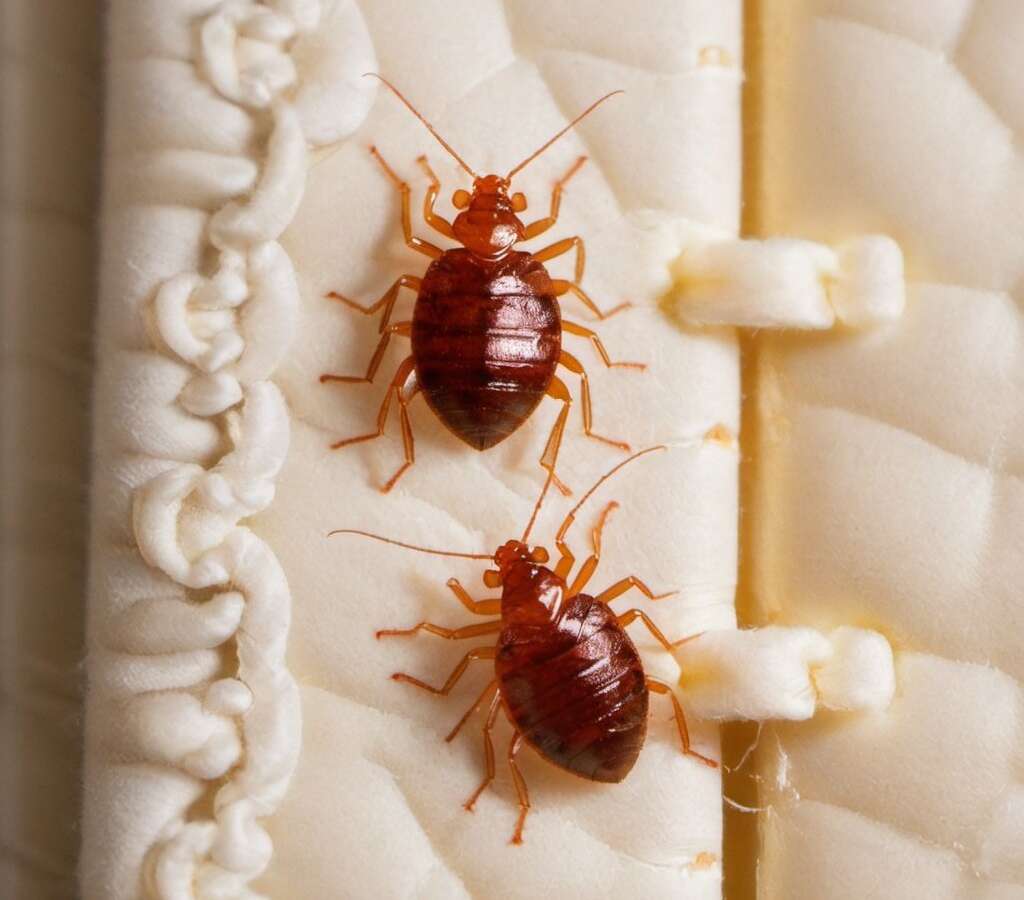

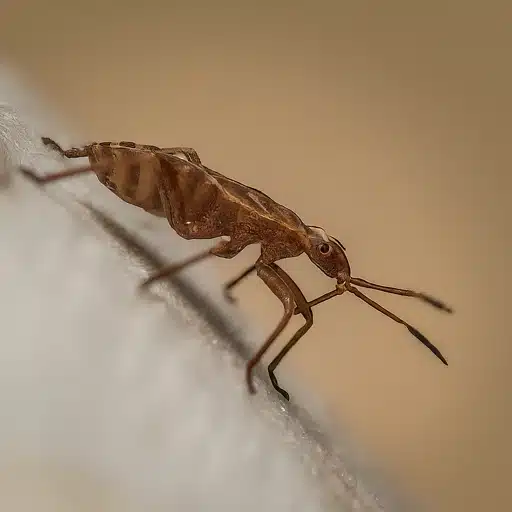

One of the most feared insects in our homes is the bed bug. These insects can get into houses and feed on our blood while we sleep. Bed bugs are generally most active at night, although they can feed during the day when a host is available. If you’re having a problem with bed bugs, it’s important to contact a good Tulsa Exterminator as soon as you can. In this article, let’s take a look at bed bugs and how they operate.
Bed bugs develop through incomplete metamorphosis. Females lay small, pearly white eggs in protected cracks and crevices, including mattress seams, bed frames, furniture, and other harborages. The eggs are tiny—about 1 millimeter long—rather than the size of a grain of rice. Once an egg hatches, a nymph emerges.
Young bed bug nymphs can appear nearly colorless or pale before feeding. After a blood meal, the blood can be visible through the body and give the insect a reddish appearance. Bed bugs pass through five nymphal stages, normally taking a blood meal before each molt, before reaching adulthood. The U.S. Environmental Protection Agency describes the bed bug life cycle and identification characteristics.
The molting process occurs as a growing nymph sheds its old exoskeleton and develops into the next stage. Once bed bugs reach adulthood, they can reproduce. Bed bugs use a process known as traumatic insemination. The male pierces a specialized area of the female’s abdominal wall with his reproductive organ and transfers sperm into her body cavity. It is more accurate to describe this specialized abdominal structure than to say the female simply has no reproductive opening.
Repeated traumatic insemination can be costly to female bed bugs, and research has shown that females may change their behavior in response to mating pressure. However, seeing bed bugs high on walls or near ceilings is not by itself a reliable measure of population size. Bed bugs can disperse away from typical harborages for several reasons, so an inspection should consider all signs of activity rather than treating one location as a definite population indicator.
Bed bugs can be difficult to eliminate because they hide in small cracks and crevices and because some populations have developed resistance to commonly used insecticides. Over-the-counter products are not necessarily “outdated,” but relying on a single product or treating without understanding bed bug biology can lead to poor results. Oklahoma State University Extension provides guidance on bed bug prevention, identification, and management.
If you’re having a problem with bed bugs, call a Tulsa Exterminator to inspect the infestation and determine an appropriate treatment strategy. TermMax Pest Control regularly deals with bed bug problems and can recommend an effective approach based on the conditions found in the home. Give us a call today if you think you have bed bugs.