

Protecting a home from termites starts long before obvious damage appears. In Oklahoma, subterranean termites are a normal part of the environment, but they become a serious problem when their search for cellulose leads them into a house. A good termite plan combines inspection, prevention, moisture management, and professional treatment when needed. For homeowners looking for Broken Arrow Pest Control, understanding how termite protection works makes it easier to make a good decision before a small problem becomes expensive damage.
Oklahoma State University Extension describes termites as severe wood-destroying pests found in every Oklahoma county. The eastern subterranean termite occurs throughout the state. These termites normally live in colonies associated with the soil and send workers out to search for food. Wood in a home can become that food source if termites are able to reach it from the ground.
Termite Prevention Starts With the Property
No homeowner can remove every termite colony from the soil surrounding a neighborhood. The goal is to make the structure less accessible and less favorable while using proven termite protection when appropriate. Start by looking at the conditions around the foundation.
Water should drain away from the house rather than collecting beside it. Leaking faucets, plumbing, air-conditioning condensate, damaged gutters, and irrigation that keeps soil continuously wet can create moisture conditions favorable to termites. Crawl spaces should also be checked for leaks and chronic moisture problems.
Wood-to-soil contact is another important issue. Structural wood, siding, lattice, landscape timbers, or other cellulose materials that touch the soil can provide concealed access. Firewood and scrap lumber should be stored thoughtfully rather than piled against the house. Dead wood, cardboard, and other cellulose debris around the foundation should be removed when practical.
Keep the Foundation Visible
Homeowners often unintentionally hide the very area that needs to be inspected. Mulch, soil, vegetation, stored items, and landscaping can cover foundation edges and make termite tubes harder to notice. Maintaining a visible inspection area around accessible portions of the foundation can make new activity easier to spot.
This does not mean a home needs to have bare landscaping. It means avoiding conditions that completely conceal the transition between soil and structure. During routine yard work, look for narrow mud tubes climbing the foundation, unusual earthen material in cracks, or changes in exposed wood.
Know the Warning Signs
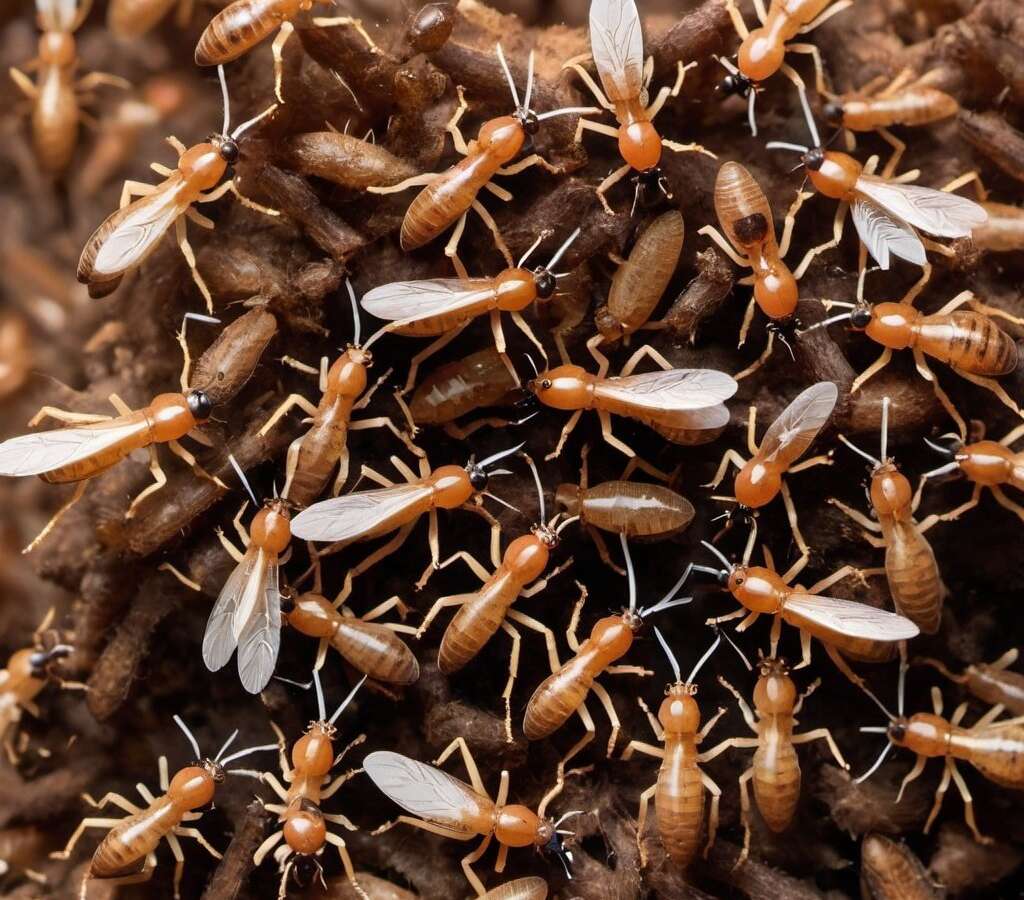
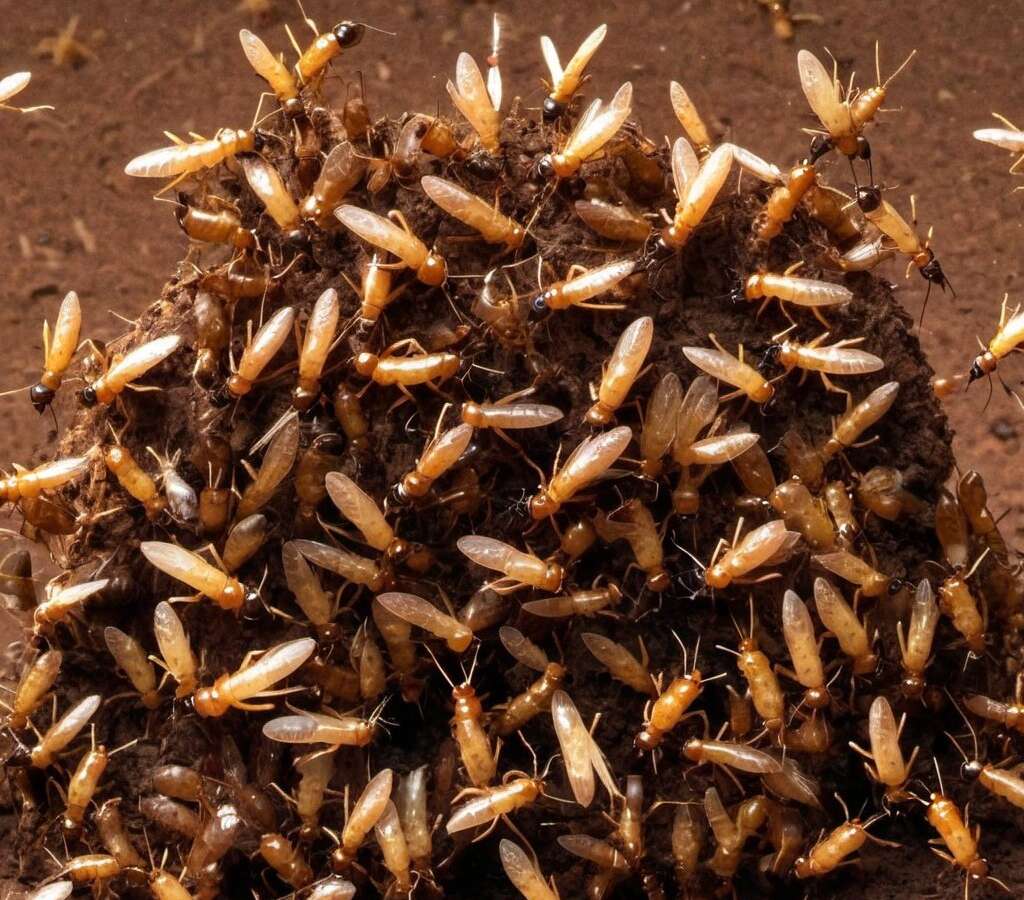
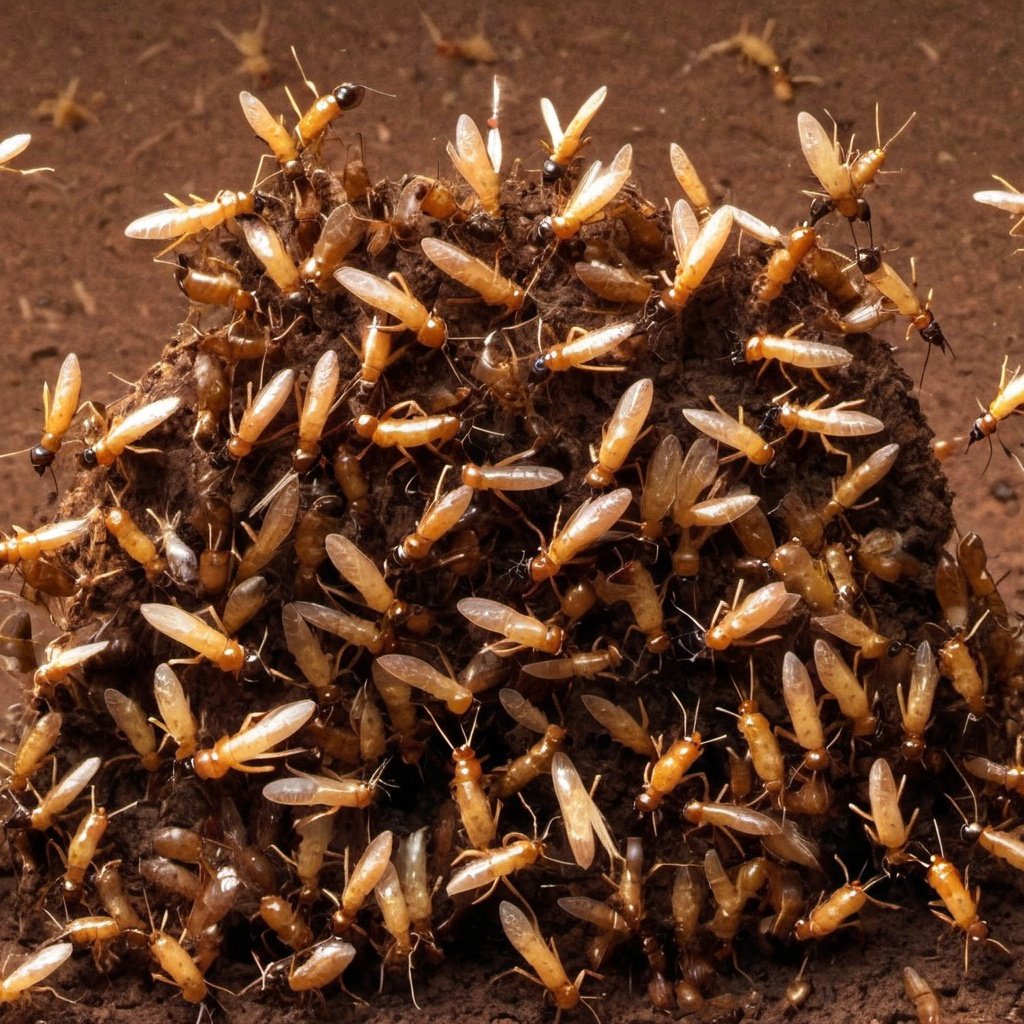
Prevention also means recognizing a problem early. One of the most obvious termite events is a swarm. Winged reproductive termites may emerge from a mature colony, particularly during favorable conditions in spring. If winged termites emerge indoors, the event should be investigated.
Discarded wings are another clue. Swarmers shed their wings after landing, and piles can collect near windows, doors, vents, and light sources. Subterranean termites also construct mud tubes that help protect workers as they move between soil and wood. Damaged wood may sound hollow when tapped or feel unusually soft when probed.
These signs are useful, but absence of an obvious sign does not guarantee a home is termite-free. Much of a termite colony’s activity can remain hidden. That is why a professional inspection can be valuable when there is a history of termites, suspicious damage, a real-estate transaction, or simply concern about the structure.
What a Termite Inspection Should Accomplish
A professional inspection should identify evidence of current or previous termite activity and evaluate conditions that may contribute to infestation. The inspector considers accessible structural areas, foundations, crawl spaces when present, plumbing penetrations, attached slabs, patios, porches, moisture problems, and other construction details.
Termite treatment is not one-size-fits-all. Two houses on the same street may require different approaches because their foundations and construction differ. A slab home with attached concrete can present different treatment challenges from a pier-and-beam structure. Brick veneer, additions, sunken areas, utility penetrations, and inaccessible soil can all affect the treatment plan.
How Liquid Termite Treatments Work
One established termite-control method is a liquid soil treatment. The U.S. Environmental Protection Agency identifies liquid soil-applied termiticides as an approved termite-treatment category. The objective is to treat appropriate soil areas so subterranean termites traveling between their colony and the structure encounter the treatment.
Depending on the product label and the construction, application may involve trenching soil along foundation areas, treating soil around piers or utility penetrations, or drilling concrete where access to soil beneath a slab is necessary. This is specialized work. The EPA notes that termite treatments should be performed according to the registered pesticide label, and professional applications require the knowledge and equipment to do the job correctly.
A liquid treatment is not simply spraying the visible termites. Killing a few workers that appear in one location does not address the underground system that allowed them to reach the structure. Effective termite management focuses on the routes and areas that matter for structural protection.
How Termite Bait Systems Work
Baiting is another professional option. Termite bait stations are placed in the soil around a structure where foraging termites can encounter cellulose bait. When termites begin feeding on an active bait, the slow-acting material is designed to affect termites over time rather than immediately killing the first worker that takes a bite.
The EPA lists termite baits among recognized termite treatments. Bait systems can be especially useful when construction makes conventional soil treatment difficult or when a homeowner and pest professional choose an ongoing monitoring approach. However, bait systems are not maintenance-free. Stations need to be installed correctly and inspected on an appropriate schedule.
Homeowners should understand that baiting and liquid treatment operate differently. The right choice depends on the structure, evidence of activity, treatment goals, product being used, and professional assessment. In some situations a treatment program may incorporate more than one technique.
What About Wood Treatments?
Certain wood treatments can also play a role in termite management. The EPA includes wood treatments among termite-control approaches, and borate products are commonly associated with treating suitable exposed wood, particularly during construction or renovation. A wood treatment does not automatically replace the need to address soil-based subterranean termite access, so it should be considered in the context of the whole structure.
Regular Monitoring Matters
Termite protection should not become something a homeowner forgets the day after treatment. Buildings change. Soil can be disturbed, landscaping can be altered, plumbing can leak, additions can be built, and new termite colonies can forage near a structure. Follow-up inspections and monitoring help identify changes before they become larger problems.
If a baiting program is used, monitoring is an essential part of the system. If a liquid treatment has been performed, homeowners should still watch for new termite evidence and maintain the property so that moisture and wood-to-soil problems do not undermine the overall prevention strategy.
Avoid DIY Shortcuts
Termites are different from a few ants around a countertop. Structural termite control involves hidden soil, foundations, slabs, construction voids, and products with specific application requirements. Treating a visible mud tube with a household spray may kill termites in that small location without providing structural protection.
OSU Extension recommends professional assistance when a home is known or suspected to be infested. A qualified Broken Arrow Pest Control company can identify the insect correctly, inspect the structure, explain treatment choices, and use registered products according to their labels.
Protecting Your Broken Arrow Home
The best termite strategy combines awareness with action. Keep water from accumulating around the foundation. Repair leaks. Reduce unnecessary wood-to-soil contact. Keep accessible foundation areas visible. Watch for swarmers, discarded wings, mud tubes, and suspicious wood damage. Most importantly, have questionable evidence evaluated instead of assuming it is harmless.
TermMax Pest Control can help Broken Arrow homeowners inspect for termite activity and choose a treatment approach appropriate for the structure. If you are looking for Broken Arrow Pest Control because you are worried about termites, want an inspection, or need to discuss liquid treatment or termite baiting, call TermMax Pest Control today. Protecting the structure starts with knowing what is happening around it.