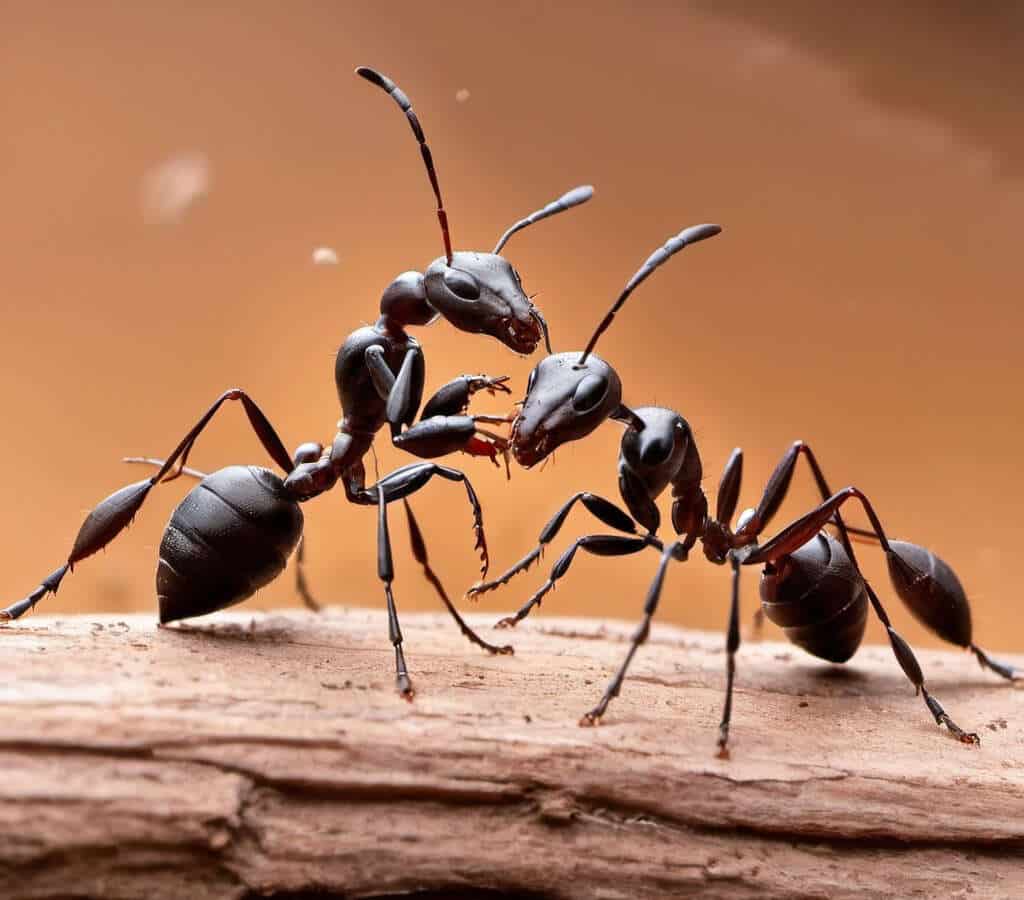



Understanding Ant Alates: Nature’s Winged Reproducers
When considering the vast world of ants, one might be familiar with the worker ants that scurry around collecting food or building their elaborate nests. However, there exists a fascinating subgroup known as ant alates, or winged ants, which play a crucial role in the reproductive cycle of ant colonies. At Broken Arrow Pest Control, we often encounter residents puzzled by the sudden appearance of these winged insects. Let’s delve deeper into what ant alates are, their life cycle, and how they can impact your home.
What Are Ant Alates?
Ant alates are the reproductive members of an ant colony, equipped with wings. Unlike the worker ants, alates are primarily males and virgin queens that leave the nest during a specific time of year, usually during warm and humid conditions. This phenomenon is often referred to as a “nuptial flight,” where alates mate mid-air and disperse to establish new colonies.
The primary purpose of these winged ants is to ensure the continuation of their species. After mating, males typically die shortly thereafter, while the fertilized queens land, shed their wings, and search for a suitable location to establish a new colony. This process is crucial for genetic diversity within ant populations and the overall resilience of their species.
The Life Cycle of Ant Alates
The life cycle of ant alates begins with the queen laying eggs that will become alates. The development of these winged ants can take several weeks or months, depending on the species and environmental conditions. Once the alates reach maturity, they undergo the nuptial flight, which can involve thousands of ants leaving their nest at the same time.
After mating, the alates return to the ground, and the queens begin the laborious task of establishing a new colony. They will create a nest, lay their first batch of eggs, and care for them until they mature into the first generation of worker ants. This new worker ant population will then take over the responsibilities of foraging and caring for the queen, allowing her to focus solely on reproduction.
Why Do Ant Alates Suddenly Appear?
As the weather warms up in late spring and early summer, many homeowners notice an influx of winged ants around their properties. This can be alarming, especially if you aren’t familiar with ant behavior. The emergence of alates can occur quite suddenly, often signaling the start of the mating season and the potential for new ant colonies to establish nearby.
At Broken Arrow Pest Control, we advise homeowners to remain vigilant during this period. While the sight of ant alates can be unsettling, it is important to remember that not all alates will go on to create successful colonies. However, if you notice a substantial number of winged ants consistently, it may be a sign of a nearby ant problem that could require professional intervention.
How Can You Control Ant Alates?
Preventive measures can significantly reduce the chances of ant infestations in your home. Here are some strategies to consider:
- Seal Entry Points: Inspect your home for cracks, gaps, or other entry points that ants could use to gain access. Using caulk or other sealing agents can be effective.
- Eliminate Food Sources: Ants are attracted to food, so keeping your kitchen clean and storing food in airtight containers can diminish their interest.
- Maintain Yard Hygiene: Keep your yard tidy, as overgrown vegetation can harbor ant colonies. Regular lawn maintenance can make a difference.
- Seek Professional Help: If you find yourself overwhelmed by ant alates, it may be time to consult experts at Broken Arrow Pest Control. Our team can identify the source of the infestation and implement effective solutions to keep your home free of unwanted pests.
If you’d like to learn more about ant behavior, you can visit the University of California’s Agriculture and Natural Resources on their entomology page or explore the University of Florida’s Entomology and Nematology Department for additional resources.
In conclusion, understanding the behavior and lifecycle of ant alates can empower homeowners to take proactive measures in managing their pest control issues. By staying informed and seeking professional assistance when needed, you can ensure that your home remains an ant-free sanctuary.