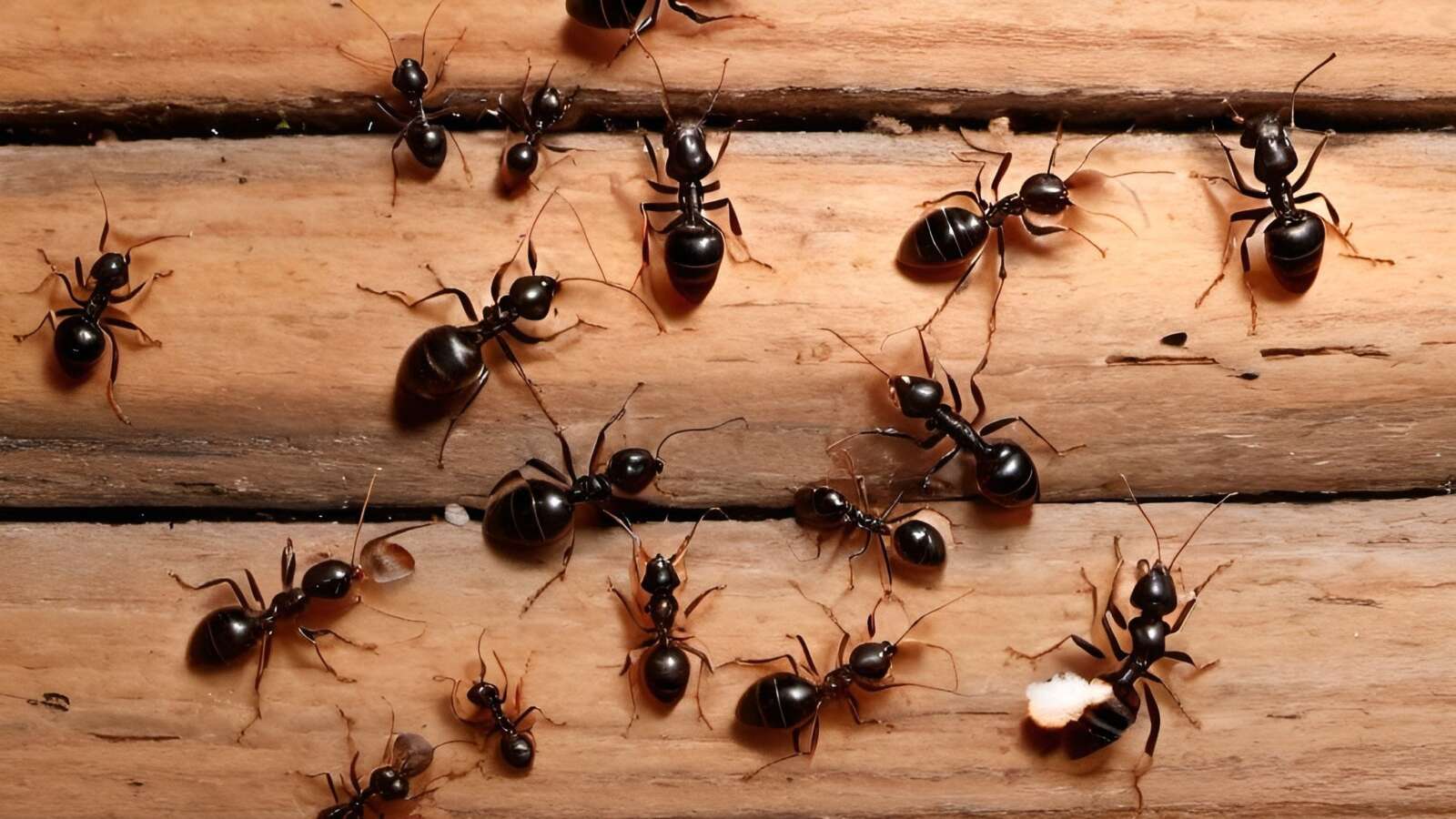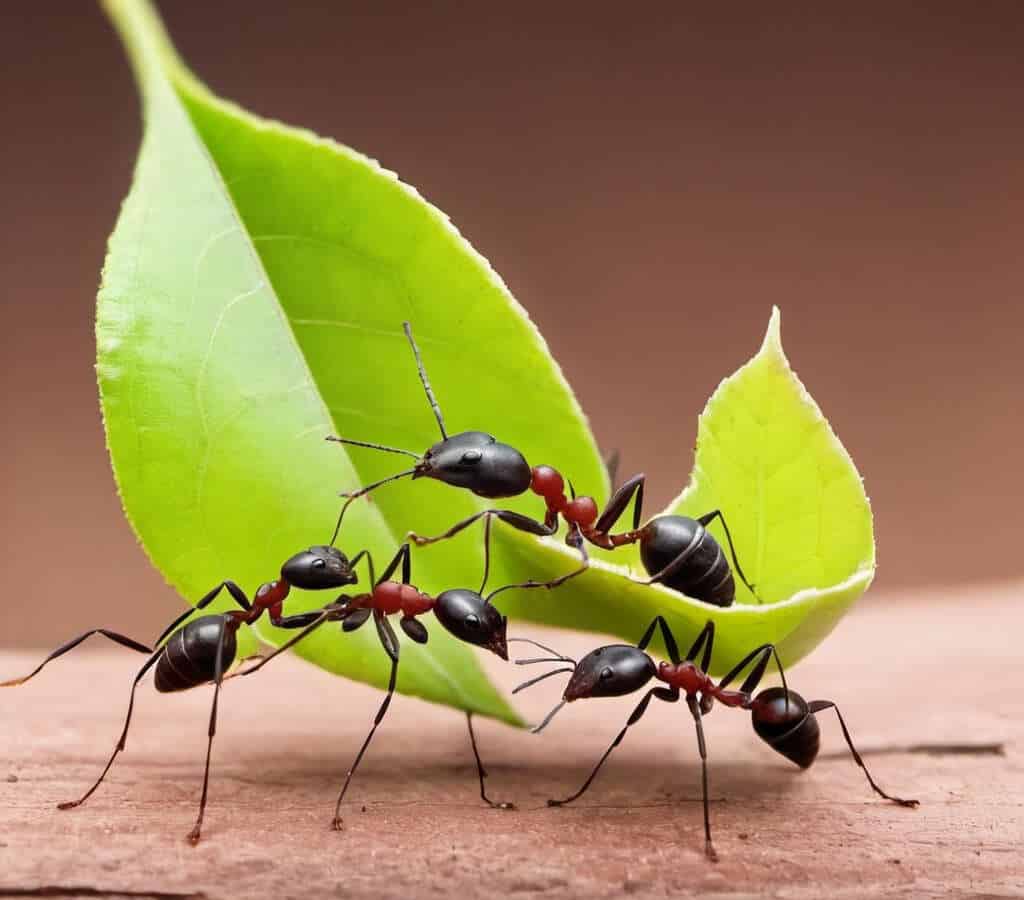

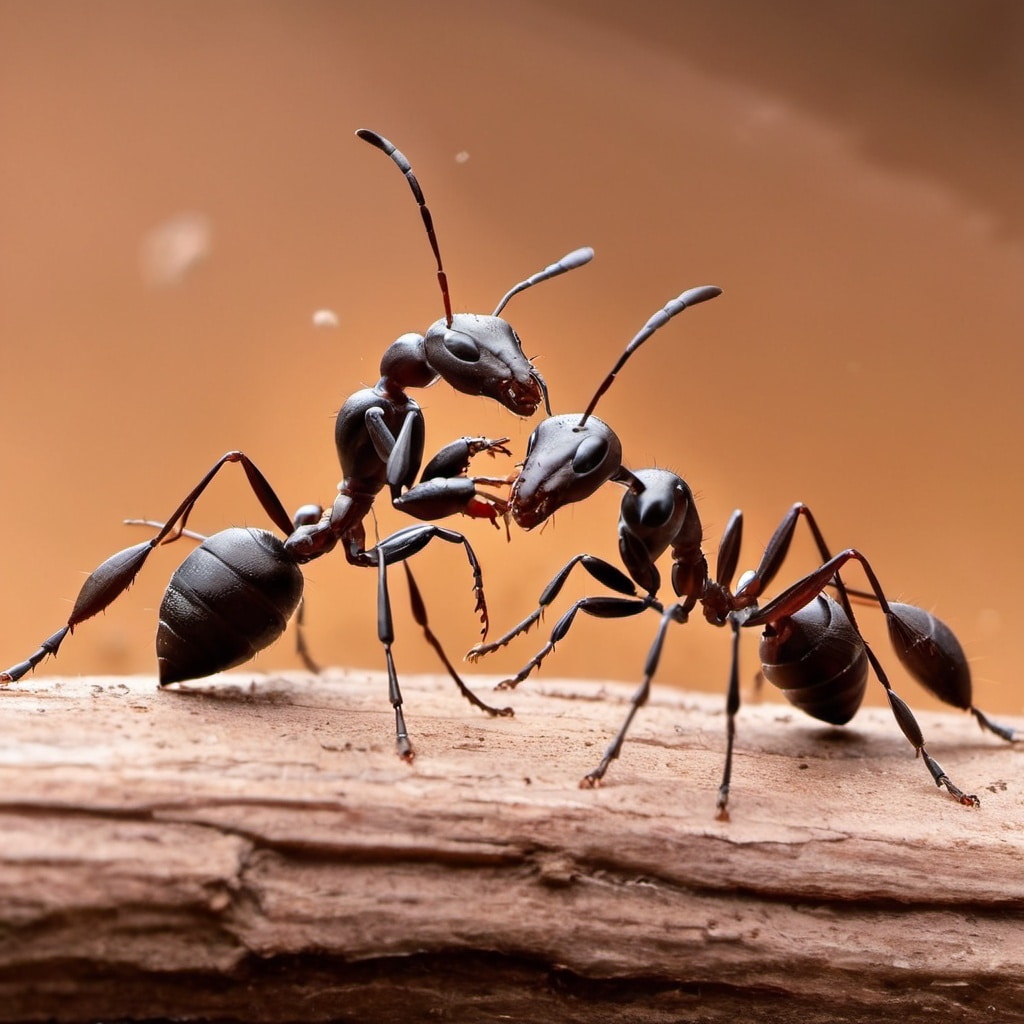

Ants are one of the most common pests that homeowners deal with, but the ants you see walking across a countertop are only a small part of what is happening. Ants are social insects that live together in organized colonies. Depending on the species, a colony may contain hundreds, thousands, or even many more individuals working together. That colony structure is one of the biggest reasons an ant problem can be frustrating to eliminate. If ants keep appearing in your kitchen, bathroom, garage, or around the outside of your home, a Tulsa Exterminator can help identify the species, locate the source of the activity, and build a treatment plan that targets more than the ants you can see.
To understand why ant control can be difficult, it helps to understand how an ant colony works. Most of the ants homeowners see are workers. Worker ants are female, and their jobs include searching for food and water, maintaining the nest, caring for developing young, and protecting the colony. The reproductive members of the colony have a different role. Queens produce eggs, while males are primarily involved in reproduction. Some species may have a single queen, while others can have multiple queens. Those differences matter because an approach that works well for one ant species may not be the best choice for another.
Ants develop through complete metamorphosis. Their life cycle begins with an egg. The egg hatches into a larva, which does not look like an adult ant. Workers care for and feed the larvae as they grow. The larva then enters the pupal stage before becoming an adult. This egg, larva, pupa, and adult life cycle is different from insects that develop through incomplete metamorphosis. Understanding the life cycle helps explain why killing a group of visible workers does not necessarily eliminate the rest of the colony.
Worker ants leave the nest to search for resources. When a worker finds a useful food source, other workers may be recruited to it. Many ant species use chemical signals called pheromones to help colony members follow established trails. That is why a few ants around a sink or countertop can sometimes turn into a steady line of ants. The trail leads workers between the nest and whatever resource they have found inside the home.
Food is not the only thing that attracts ants. Water and shelter can also contribute to ant activity. Kitchens provide crumbs, grease, sweets, pet food, and other materials that ants may use. Bathrooms, sinks, plumbing areas, and other damp locations can provide moisture. Outside, landscaping, mulch, wood piles, vegetation, and natural nesting sites can place ant colonies close to the structure. Once workers begin exploring the building, tiny cracks and openings around doors, windows, utility penetrations, and foundations can provide access indoors.
This is one reason simply spraying the ants you see may not solve the problem. A contact spray may kill exposed workers without reaching the colony that is producing them. With some ant problems, poorly chosen treatments can even interfere with baiting or change the way ants move through the structure. A professional Tulsa Exterminator starts by asking a more useful question: what kind of ant is this, and where is the activity coming from?
Identification is important because different ants behave differently. Carpenter ants, for example, commonly nest in damaged or moisture-affected wood. They excavate wood to create galleries, but they do not eat wood the way termites do. Other nuisance ants may establish nests outdoors and simply enter a home while foraging. Some species can establish colonies in wall voids or other protected areas. Knowing which ant is present gives the technician information about likely nesting sites, food preferences, colony structure, and the treatment methods most likely to work.
Baits can be an important tool for certain ant problems. Instead of killing a foraging worker immediately, an appropriately selected bait takes advantage of the ant’s normal feeding and sharing behavior. Workers collect the bait and can carry it back toward the colony. For baiting to work well, however, the bait has to be attractive to the ants that are present and placed where they are actively foraging. Ant preferences can change, and not every bait is equally attractive to every species at every time.
Professional ant control may also involve targeted residual treatments, crack-and-crevice applications, exterior treatments, direct nest treatment when a nest can be located, and changes to conditions that are supporting the infestation. The exact combination depends on the species and the property. Pesticides should always be used according to their labels, and more pesticide is not automatically better pest control. A good treatment is based on inspection and biology rather than simply applying material everywhere ants might travel.
Homeowners can also make the property less attractive to ants. Clean up food spills and crumbs, keep food in sealed containers, avoid leaving pet food out unnecessarily, and correct moisture problems when possible. Outside, trim vegetation that contacts the building, remove unnecessary debris near the foundation, and consider moving firewood away from the structure. Gaps and cracks that provide entry can often be sealed once active routes and other conditions have been evaluated.
Oklahoma State University Extension notes that successful household ant management starts with identifying the pest and includes sanitation, attention to entry locations, baits where appropriate, and exclusion. The U.S. Environmental Protection Agency describes this broader style of pest management as Integrated Pest Management, or IPM. IPM combines identification, monitoring, prevention, and appropriate control methods rather than depending on one treatment alone.
Ants are successful because the colony functions as a team. That same biology is why homeowners can become frustrated when they repeatedly kill visible ants only to see more appear later. The workers on the counter are a symptom of the larger problem. The goal is to understand where those workers are coming from, what they are looking for, and what treatment will affect the colony or prevent continued entry.
If you are seeing ants day after day, large numbers of ants suddenly appearing, winged ants indoors, carpenter ants around damaged wood, or trails that keep returning after you clean them up, it may be time for a professional inspection. TermMax Pest Control can identify the activity, inspect the areas where ants are traveling, and recommend a control strategy based on the species and conditions at your property. If you need a Tulsa Exterminator for an ant problem, contact TermMax Pest Control today and let us help you get the situation under control.
Another reason follow-up matters is that ant activity can change after treatment. Workers may stop using one trail and begin using another, weather can affect outdoor foraging, and a bait that was attractive at one point may become less interesting as the colony’s nutritional needs change. Monitoring tells the technician whether the original strategy is working or whether placement and treatment need to be adjusted. Homeowners can help by noting where ants are seen, when activity is strongest, and whether trails are increasing or decreasing. That information can make the next inspection more useful. Ant control is often most successful when the homeowner and pest professional address the same problem from both sides over time.