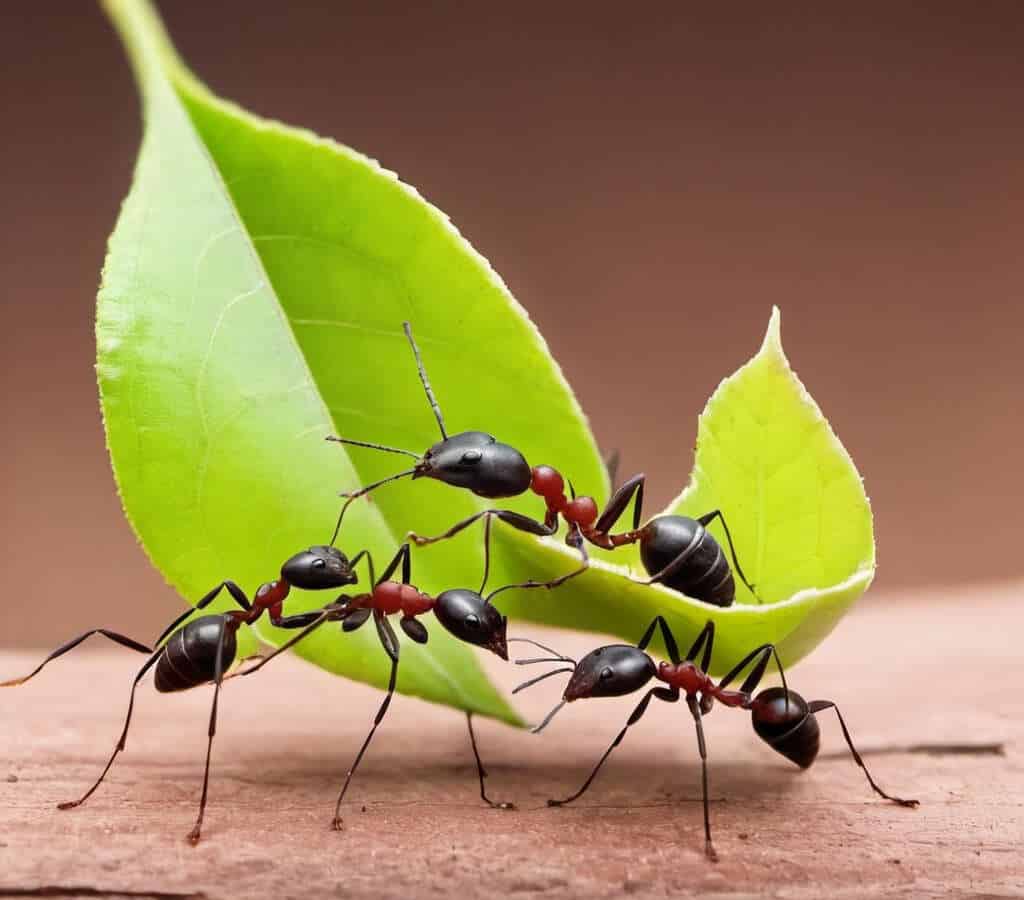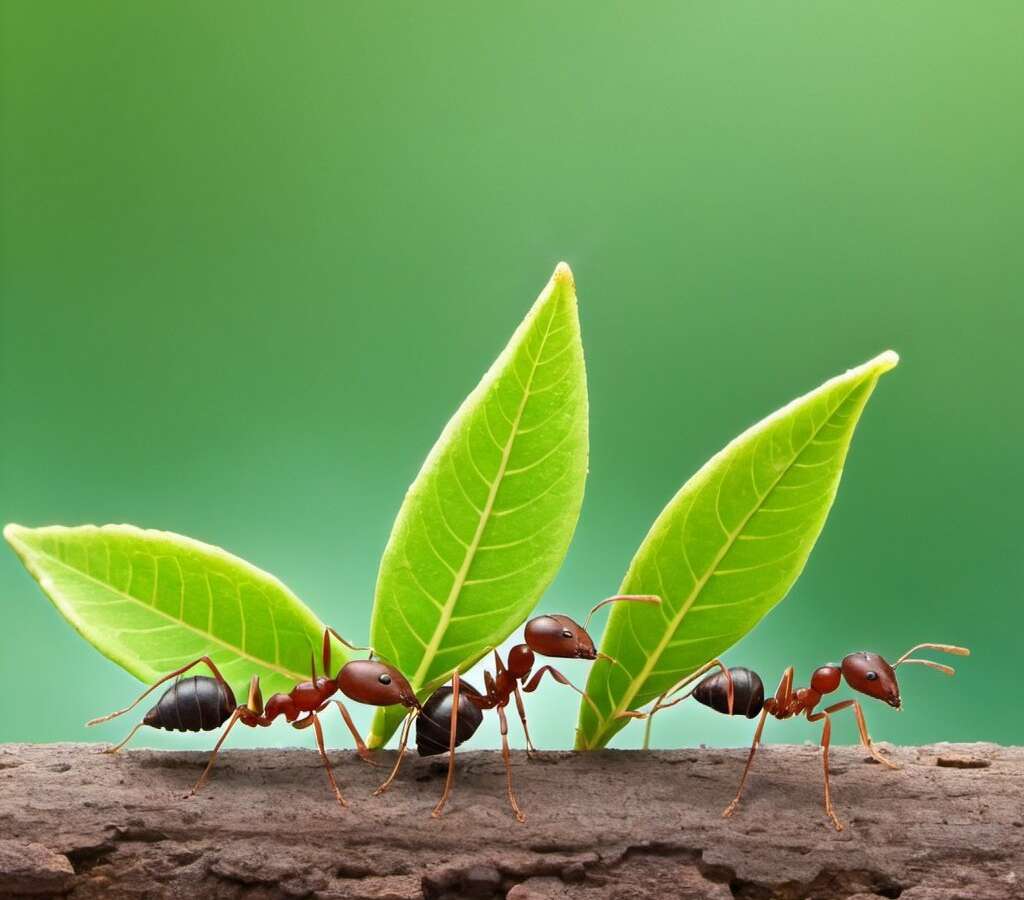

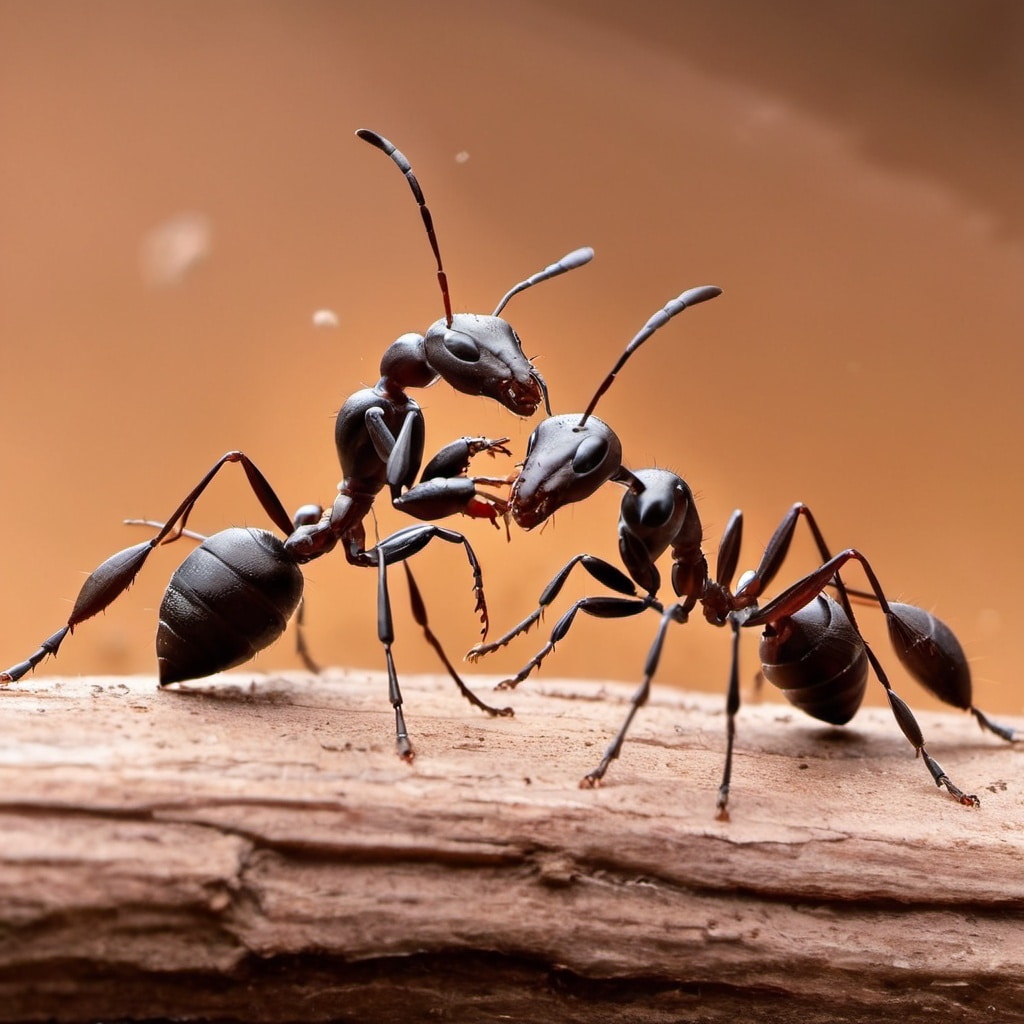

Ants are small insects that can get into your house and into your food supply. They love to get into our kitchens and pantries and feed on the food that we eat. When they do so, they can contaminate food and food-contact surfaces. It’s important to keep these insects out of our homes, so calling a Tulsa Exterminator is important if you see ants in your house.
In this article, let’s take a look at ants and how they work. Ants develop using complete metamorphosis. This means they start as an egg. The egg is laid by the queen of the colony, which produces eggs to maintain the population. Once the egg hatches, a larva emerges. The larvae are cared for and fed by workers as they develop. Adult ants and larvae can exchange liquid food within the colony. Oklahoma State University Extension provides information about ant biology, colony structure, identification, and control.
Once the larva has developed to a certain point, it will pupate. During the pupal stage it develops the structures it needs as an adult. Depending on the ant species, the pupa may be enclosed in a cocoon or may develop without one. Once development is complete, the adult emerges and takes its place in the colony.
The workload inside an ant colony is divided among different castes. The reproductive caste includes queens and reproductive males. Some species also have larger workers commonly called soldiers or majors. These ants may help protect the colony and can have specialized features such as enlarged heads and powerful mandibles. The exact defensive structures and roles vary by species.
The worker caste makes up a large part of many ant colonies. Workers handle many of the day-to-day jobs needed to support the colony, including building and maintaining the nest, removing waste, caring for developing young, and foraging for food.
One interesting part of ant behavior is the way workers communicate while searching for food. Ants use chemical signals called pheromones to communicate with other members of the colony. When a worker finds a useful food source, it can leave a pheromone trail as it travels back toward the nest. Other workers can detect and follow that trail. As more ants travel the same route, the trail can become stronger, which is why homeowners often see ants moving in a line across a countertop, floor, pavement, or foundation. U.S. Forest Service research documents trail pheromones and trail-following behavior in ants.
Keeping kitchens and pantries clean can help reduce the food sources that attract ants. Crumbs, grease, pet food, sugary spills, and small amounts of food underneath appliances can provide ants with something to eat. However, sanitation alone may not eliminate an established ant problem.
Treating ants correctly also requires understanding what species is present and where the colony is located. Simply killing the worker ants that are visible may leave the queen and the rest of the colony untouched. Depending on the species and situation, a professional may use baits or other targeted treatments designed to reach more than the visible foraging ants.
If you think you’re having a problem with ants or any other pest-control issue, a good Tulsa Exterminator is important to call. TermMax Pest Control can help identify the problem and choose an appropriate treatment to get you back on track affordably and quickly. Call us today.