


The Intriguing World of Ant Hunting: Nature’s Tiny Warriors
Ants are among the most fascinating creatures on our planet. With over 12,000 species recorded and many more yet to be discovered, they are a staple of our ecosystems. Despite their small size, ants are mighty hunters, problem solvers, and industrious workers. In this blog article, we will delve into the world of ant hunting, exploring their hunting techniques, social structures, and why groups like Tulsa Pest Control advocate for understanding these small but powerful insects.
The Art of Ant Hunting
Ants, with their remarkable adaptability, are skilled foragers. Most species will scour their environment in search of food, employing a variety of strategies to optimize their hunting efforts. Here are a few techniques commonly used by ant colonies:
- Scavenging: Many ant species primarily survive by scavenging food remnants left by other creatures. They can often be seen marching in a line from a food source back to their nest, thanks to pheromone trails they emit. This chemical trail not only leads fellow ants to food but also communicates the quantity and quality of what they have found.
- Teamwork and Communication: Ants are social insects that work together in colonies that can number in the thousands. They employ intricate forms of communication, using both pheromones and physical cues to inform one another where food is located, the type of food, and even about impending threats. This teamwork is essential in hunting and foraging.
- Raiding: Some species, like the notorious army ant, engage in aggressive hunting tactics. These ants will swarm to decimate their prey, often overwhelming larger insects or other small animals. Their sheer numbers and fierce demeanor make them one of the more spectacular hunters in the insect world.
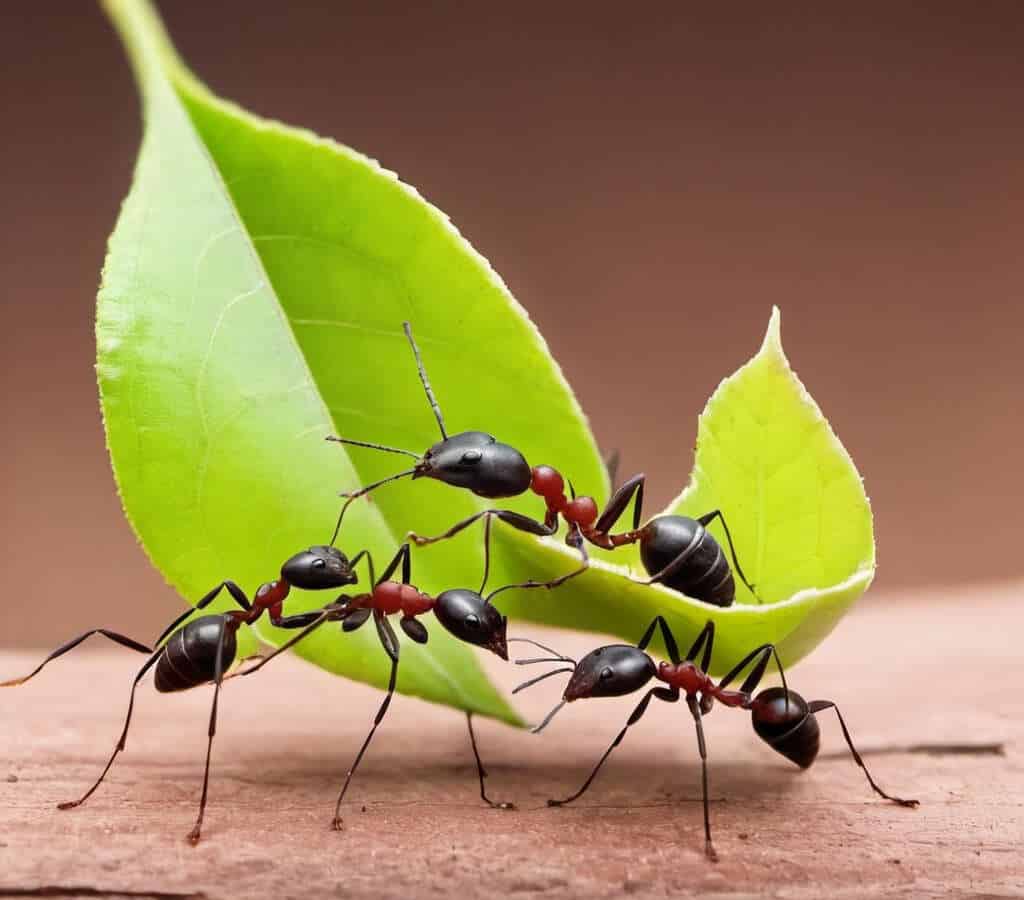
- Farming and Cultivation: Some ants are not only hunters but also farmers. Leafcutter ants, for instance, collect leaves and transport them back to their nests, where they cultivate fungus. This symbiotic relationship ensures a steady food supply, showcasing their unique adaptability in hunting for food.
The Ecosystem Impact of Ants
The role of ants in our ecosystems cannot be overstated. They aerate the soil, facilitate seed dispersion, and manage pest populations. By preying on pest insects, they play an important role in natural pest control. Their complex social structures allow for efficient competition for food resources, often stabilizing the local ecosystem by preventing one species from dominating.
However, when ant populations become too large or when invasive species are introduced, these tiny creatures can become a nuisance. This is where services like Tulsa Pest Control come into play. They provide effective strategies for managing and controlling ant populations that might invade homes and gardens, allowing homeowners to maintain a harmonious living environment.
Understanding Ant Behavior Through Research
Given their important role in our ecosystem and our interaction with them, understanding their behavior is crucial. Several studies have been conducted on ants, providing insight into their social structures, communication methods, and foraging behaviors. For instance, research has shown that some ant species can recognize their kin through pheromones, which prevents them from attacking related ants and enhances colony survival. This fascinating area of study can be explored further through articles such as Ant Communication and Social Structures in Ant Colonies.
Conclusion
Ant hunting is a captivating topic that not only highlights the adaptability and intelligence of these small creatures but also emphasizes their significance in the broader ecosystem. As we become more aware of their roles, we can better manage our interactions with them. Whether through natural observation or professional pest control services like Tulsa Pest Control, understanding ants leads to a more balanced relationship with our environment. By appreciating these creatures, we can help preserve our ecosystems and maintain biodiversity.
So, next time you spot a line of ants on your picnic table, take a moment to appreciate the tireless work of these tiny hunters and the vital role they play in the world around us!