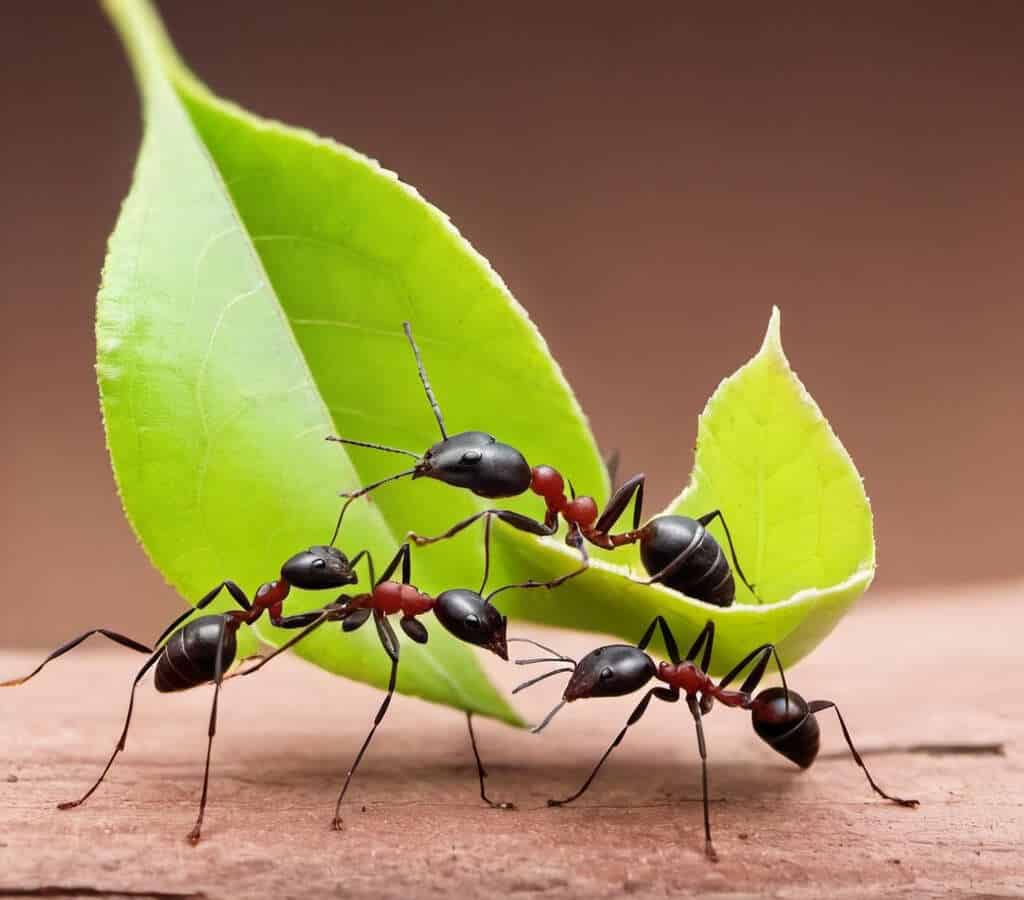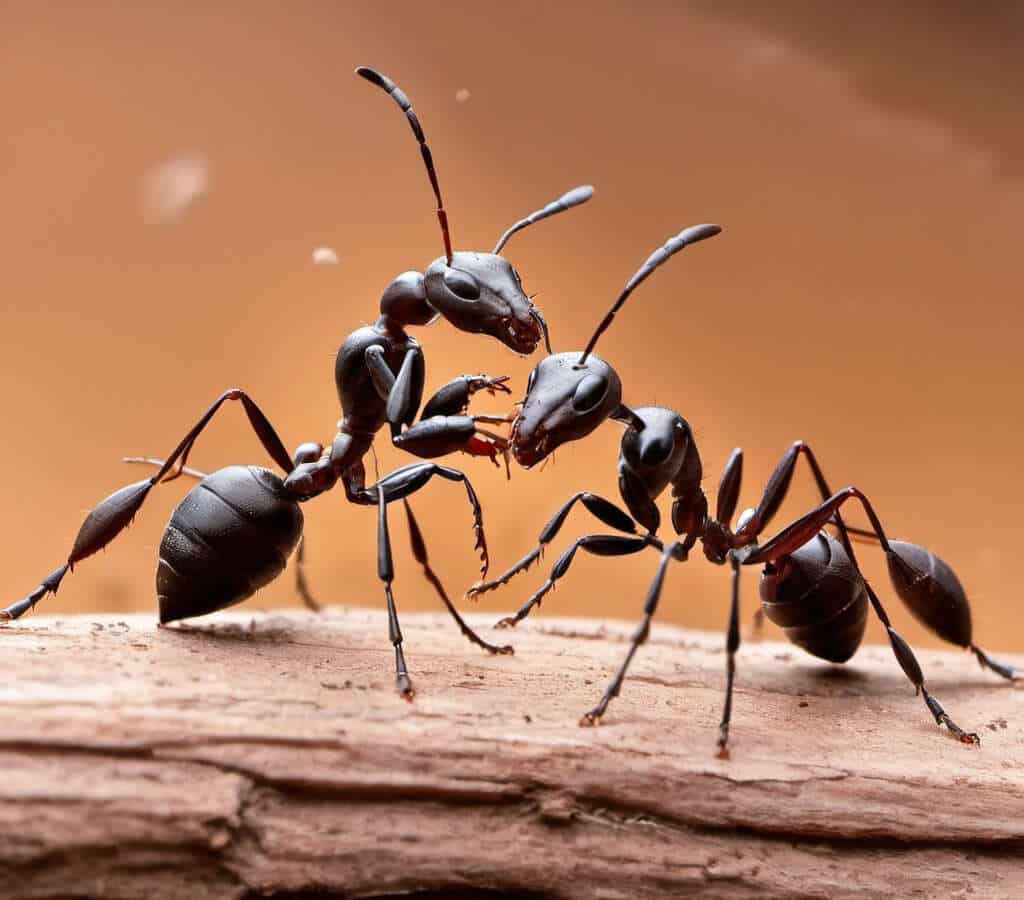



Ant problems are something many Oklahoma homeowners experience throughout the year. You might notice a line of ants traveling across your kitchen countertop, insects gathering around your pet’s food bowl, or colonies appearing along your driveway. Although ants are small, they can become persistent pests when they establish nesting areas around your property. Some species enter homes primarily to search for food, while others may establish nests in protected spaces inside the structure. Homeowners can take several practical steps to reduce conditions that attract ants. A reliable Broken Arrow Pest Control company can also identify existing infestations and establish a treatment program designed to keep these insects under control.
Ants constantly search for resources to support their colonies. Food is one of their primary motivations. Even small amounts of sugar, grease, or other food residue can attract foraging workers. Kitchens are particularly appealing because they often contain multiple food sources. Crumbs beneath appliances, spills around trash containers, and residue inside recycling bins may provide enough food to attract ants. Bathrooms and laundry rooms can become problem areas because certain species seek moisture. Leaking faucets, damp cabinets, and condensation around plumbing create conditions that may encourage ant activity. Landscaping, mulch, vegetation, and protected soil can provide nesting locations close to the house. Once ants establish a colony nearby, workers may begin exploring the structure for additional resources.
One of the simplest ways to discourage ants is to eliminate accessible food sources. Start by cleaning kitchen countertops regularly. Pay particular attention to areas where food preparation takes place. Small spills of juice, syrup, or other sugary substances can attract ants. Sweep or vacuum beneath tables and around appliances where crumbs tend to accumulate. Keep cereal, sugar, flour, snacks, and other pantry products in properly sealed containers. Check packaging for damage and avoid leaving open food containers on countertops. Trash containers should have secure lids, and food waste should be removed regularly. These practices are especially important when ants have already discovered a food source inside the house.
Pet feeding areas are frequently overlooked during ant prevention. Dry pet food contains ingredients that can attract foraging ants, and wet food may be even more appealing. Food bowls left out overnight can provide a consistent food source. Consider establishing regular feeding times and removing uneaten food when appropriate for your pet’s needs. Clean around feeding stations and wipe up spilled food. Store pet food in sealed containers rather than leaving bags open. If ants have already discovered the feeding area, clean surrounding surfaces to remove food residue and help disrupt existing trails. Avoid applying insecticides where pets might contact treated surfaces unless the product label specifically permits that use.
Moisture management is another important part of ant prevention. Certain species are strongly associated with damp environments. Leaking pipes beneath sinks can provide moisture inside cabinets and wall voids. Poor drainage around foundations can create favorable conditions for colonies outside. Inspect plumbing regularly and repair leaks promptly. Make sure gutters and downspouts direct water away from the foundation. Avoid allowing standing water to accumulate near the house. Crawl spaces and other enclosed areas may need attention if excessive humidity or water intrusion becomes a problem. Reducing unnecessary moisture can make your property less attractive to ants and may also help prevent other pest problems.
Ants can enter buildings through surprisingly small openings. Gaps around doors, windows, plumbing penetrations, and utility lines may provide access. Inspect the exterior of your house for visible cracks and openings. Weatherstripping around doors should fit properly. Damaged screens should be repaired, and gaps around utility penetrations should be sealed using appropriate materials. Caulking suitable cracks around windows and other exterior features can also help. Sealing entry points will not eliminate every possible route ants might use, but it can reduce their opportunities to enter the structure. It’s especially useful when combined with sanitation and moisture control.
Your yard can influence ant activity around the house. Mulch, decorative stones, landscape timbers, and other materials may provide protected nesting locations. Vegetation touching the building can create convenient pathways for insects. Keep shrubs and tree branches trimmed away from exterior walls when practical. Avoid allowing excessive debris to accumulate against the foundation. Inspect landscaping materials for ant activity, especially when colonies repeatedly appear near doors or windows. Firewood should be stored appropriately and inspected before being brought indoors. Outdoor ants are not automatically a problem; many species play useful ecological roles. The objective is to prevent unwanted activity inside the home and address colonies that create persistent nuisance conditions.
Ants use chemical communication to coordinate many colony activities. When a worker discovers food, it may leave a pheromone trail that helps other ants locate the same source. Additional workers can reinforce that trail. This explains why homeowners sometimes notice a single ant one day and a steady line of ants the next. Wiping down surfaces can help remove food residue and disrupt trails. However, cleaning alone may not eliminate an established colony. If ants continue entering after food sources have been removed, additional inspection may be necessary. A pest control technician can determine where the insects are traveling and whether the colony is located indoors or outside.
Not every ant infestation should be treated the same way. Odorous house ants, pavement ants, carpenter ants, and other species have different nesting behaviors. Some establish colonies primarily in soil. Others may use wood cavities, wall voids, or protected spaces around structures. Food preferences also vary. An ant species that readily accepts one bait may ignore another. Some colonies contain multiple queens or occupy several nesting locations. These differences affect how pest control professionals approach treatment. Proper identification helps technicians choose suitable products, application locations, and follow-up strategies. Without identifying the ants, homeowners may repeatedly treat visible activity without addressing the source.
Professional ant control generally begins with an inspection. A technician looks for active trails, likely nesting locations, entry points, and conditions that may be contributing to the infestation. Depending on the findings, treatment might involve ant baits, targeted insecticide applications, or other appropriate methods. Baits are designed to attract foraging ants. When workers collect suitable bait and share it with colony members, treatment may help reduce the nesting population. Other products may be used in specific locations according to their labels. The best approach depends on the species and the property. Treatments should always be applied according to product labeling and applicable requirements. An effective management plan may include sanitation, exclusion, and moisture control.
Ant activity can change with the seasons. Warm weather, rainfall, drought, and changes in food availability may influence where ants forage. A property that experiences little activity during one season may develop problems later. Recurring pest control provides opportunities to inspect for developing issues and address conditions that could encourage future infestations. However, no treatment can guarantee that ants will never appear again. The goal is to reduce pest activity, identify problems early, and respond appropriately when new activity develops. Homeowners can support those efforts by maintaining good sanitation and reducing conditions that attract insects.
When ants repeatedly invade your kitchen, bathroom, or other living spaces, professional assistance can save you time and frustration. At TermMax Pest Control, we understand the challenges Oklahoma homeowners face with ants and other common pests. Our Broken Arrow Pest Control services focus on identifying pest problems and providing treatment options appropriate for the situation. Whether you’re experiencing a new infestation or dealing with ants that keep returning, we’re here to help. Contact TermMax Pest Control today to discuss your ant problem and learn more about protecting your home.