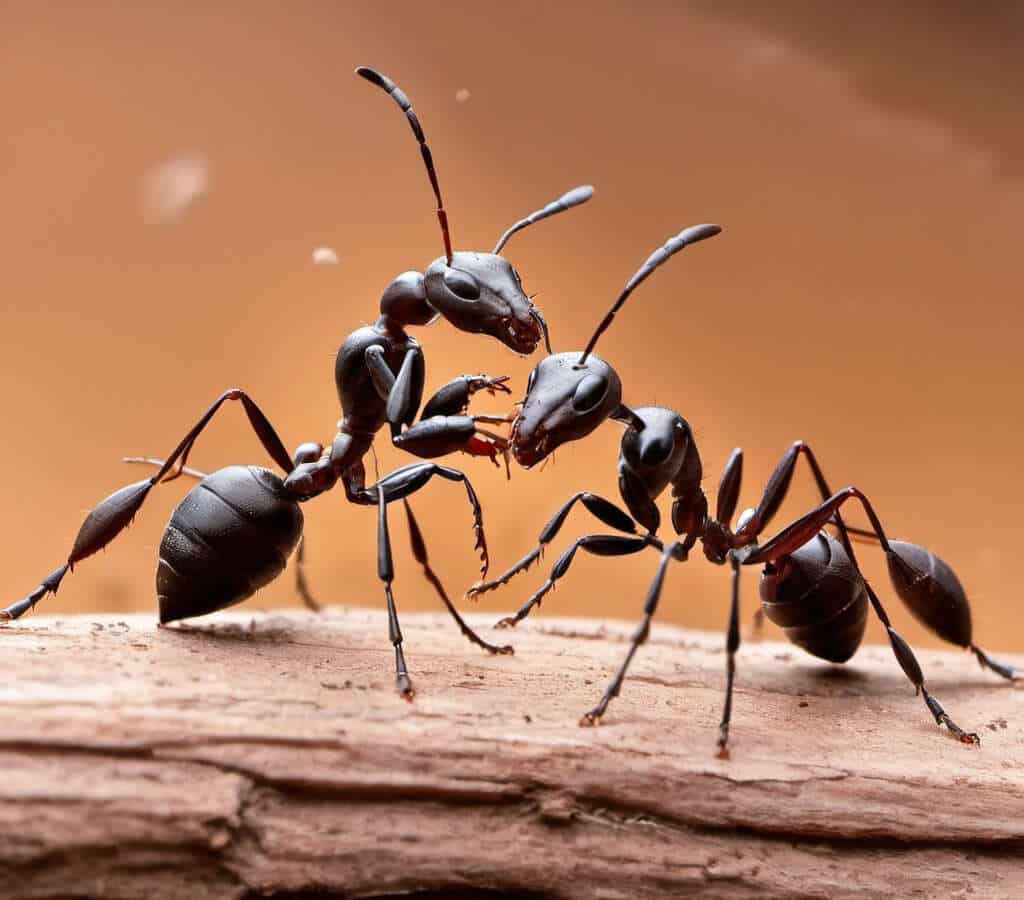

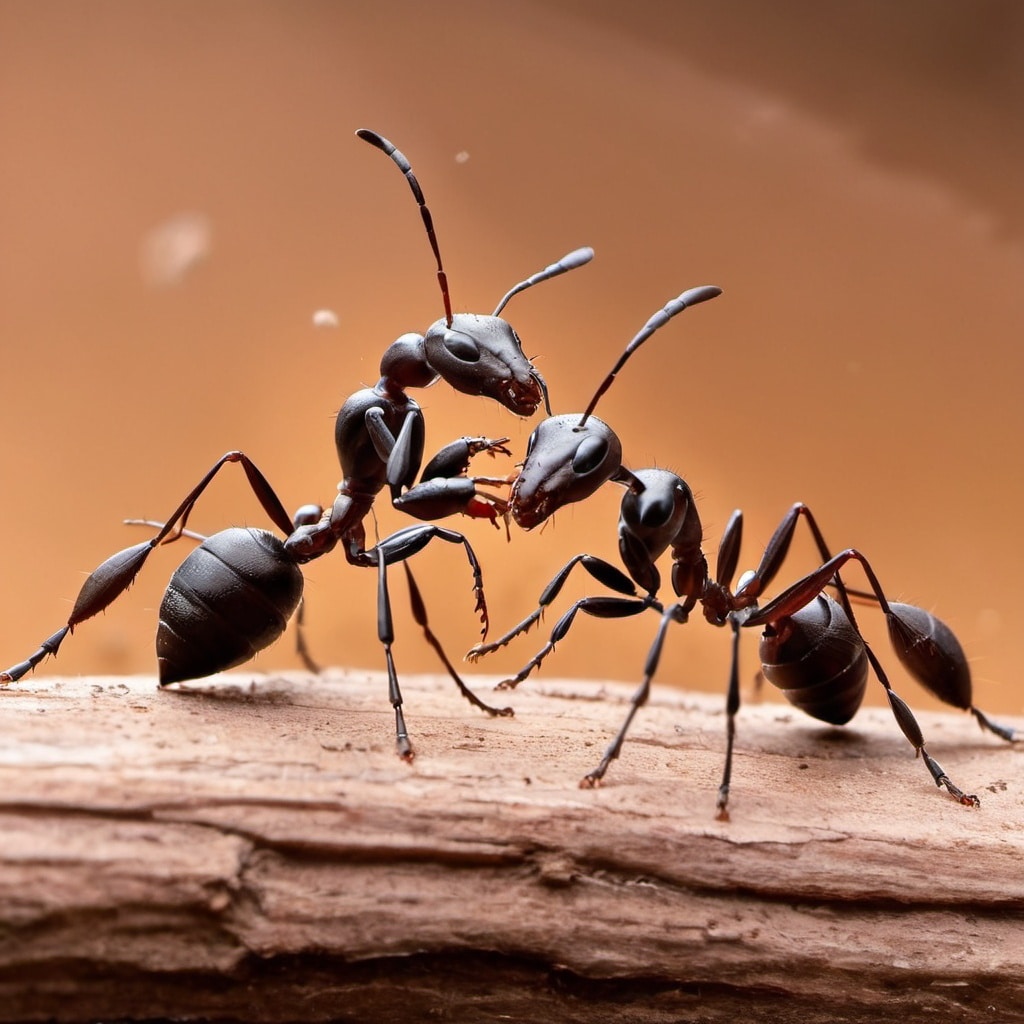

Ants are one of the most common pest problems around homes in Tulsa. They may be tiny, but once a colony finds dependable food, water, or shelter, a few ants can quickly turn into a steady trail across a kitchen counter, bathroom floor, windowsill, or patio. Seeing ants does not always mean the same thing, either. Different species behave differently, nest in different places, and respond to different control methods. That is why identifying what is happening is an important first step. When an ant problem keeps returning, a Tulsa Exterminator can inspect the property, identify likely nesting and entry areas, and build a treatment plan around the specific situation.
Seasonal Changes Can Affect Ant Activity
Ant activity around a home can change with weather and season. Warm conditions increase activity for many species, while heavy rain, drought, or changes in available food and moisture can push workers into new areas. A homeowner may suddenly notice ants indoors even though the colony has been nearby for some time. That does not necessarily mean the problem began the day the ants were first seen.
Keeping track of where and when ants appear can help during an inspection. Note the rooms involved, whether activity is near plumbing or food, and where trails seem to enter. Those details can help a Tulsa Exterminator trace the activity and decide where treatment and prevention efforts should be focused.
Ants are social insects that live in colonies. A colony can contain workers, developing young, and reproductives. Workers are the ants homeowners usually see moving through a house or across a foundation. Their job includes finding food and bringing resources back to the colony. When a worker discovers a useful food source, other workers may begin following chemical trails to the same location. This is why a single ant near the sink can sometimes be followed by a visible line of ants later in the day.
Ants can be attracted to many different foods. Some species readily forage for sweets, while others may be drawn to grease, protein, pet food, or other materials. Water matters too. A leaking pipe beneath a sink, condensation around plumbing, damp wood, or another moisture source can make an area more attractive. Oklahoma State University Extension explains that sanitation, food removal, exclusion, and correctly placed ant treatments are important parts of household ant control.
Why Ants Keep Coming Back
One of the biggest frustrations with ants is that killing the workers you can see may not eliminate the colony. The ants walking across a countertop represent only a portion of the population. The nest may be outdoors under soil, mulch, landscaping, stones, or debris. Depending on the species, ants can also nest in wall voids, damaged wood, or other protected spaces. If the colony remains active, new workers can continue appearing even after the visible ants are removed.
This is one reason random spraying can produce disappointing results. A spray may kill exposed ants without reaching the colony that is producing them. In some situations, a properly selected bait can be more useful because foraging workers carry the bait back toward the colony and share food with other ants. Bait placement, food preference, species, competing food sources, and the product label all matter. A bait that ants ignore will not accomplish much, and a treatment that is appropriate for one ant problem may not be the right choice for another.
A professional inspection looks beyond the ants that happen to be visible at that moment. A Tulsa Exterminator may look for trails, entry points, moisture, landscaping conditions, nesting sites, and food sources. The goal is to understand why ants are present and then choose control measures that fit the problem.
Common Places Ants Enter a Home
Ants do not need much space to get inside. Small gaps around windows and doors, utility penetrations, plumbing openings, cracks in exterior materials, and other construction gaps can provide access. Tree branches or shrubs touching the house can also give ants another route onto the structure. Once they are close to the building, they may find a tiny opening that leads indoors.
Homeowners can reduce some of that pressure by trimming vegetation away from the structure, sealing practical entry points, repairing moisture problems, and keeping food stored securely. Crumbs, grease, spilled drinks, pet food, and open garbage can all support foraging ants. Cleaning these resources does not guarantee that an established colony disappears, but it removes some of the reasons workers continue returning to a particular area.
This prevention-first approach is part of integrated pest management. The U.S. Environmental Protection Agency describes Integrated Pest Management as an approach that combines monitoring, identification, prevention, and appropriate control methods. For ants, that means treatment does not have to begin and end with spraying. Exclusion, sanitation, moisture correction, habitat changes, baits, and targeted pesticide applications can all play different roles.
Carpenter Ants Are Different
Carpenter ants deserve special attention because they can nest in wood. Unlike termites, carpenter ants do not eat wood for nutrition. They excavate galleries in wood to create nesting space. Damp or damaged wood can be especially attractive for nesting, and a mature colony can have a large worker population. Carpenter ants may also live outdoors and simply enter a house while looking for food or water.
Because of that, seeing a large ant indoors does not automatically prove that the main nest is inside the house. The time of year, location of activity, moisture conditions, and travel patterns can provide clues. Finding and addressing the nest is important. Treating only the workers that wander into a kitchen may leave the source untouched.
Wood piles, dead limbs, stumps, and moisture-damaged wood near a home can create favorable conditions for carpenter ants. Moving firewood away from the structure, repairing leaks, replacing badly damaged wood when appropriate, and keeping branches from contacting the roof or siding can help reduce opportunities for ants to establish or access the building.
Outdoor Ant Activity
Not every ant outdoors needs to be eliminated. Ants are a normal part of the environment, and many species spend their entire lives outside without creating a meaningful problem for the homeowner. The objective is usually to manage ants that are entering the structure, nesting where they can cause damage, creating troublesome mounds, or otherwise interfering with people and property.
Outdoor ant control can vary widely. A mound-producing species in a lawn may call for a different strategy than small ants entering around a kitchen window. Some outdoor problems respond to baits, while other situations may call for a labeled perimeter, nest, or crack-and-crevice treatment. Weather and ant foraging activity can also affect results. Products should always be used according to their labels.
Why Identification Matters
Ants are not all interchangeable. Size, color, nesting behavior, food preference, colony structure, and seasonal activity can differ. Correct identification helps determine where to inspect and which management methods are most likely to work. It also helps avoid confusing ants with other insects. Winged ants, for example, can sometimes be mistaken for termite swarmers even though the two insects have different body shapes, antennae, and wings.
A professional can use those clues to decide whether the ants are primarily nesting outside, whether an indoor nest is possible, and what conditions are supporting the activity. That can prevent wasted effort and repeated applications that do not address the source.
What Homeowners Can Do
If ants are showing up indoors, start by cleaning food residue and storing food in sealed containers. Wipe down counters, clean beneath appliances when practical, avoid leaving pet food out unnecessarily, and keep garbage contained. Check beneath sinks and around plumbing for leaks or moisture. Outside, reduce debris against the foundation, trim vegetation that touches the house, and look for obvious gaps that can be sealed.
Avoid assuming that more pesticide automatically means better control. Applying products without understanding the ant species, nest location, or label directions can waste time and may interfere with a baiting program. If you are already using a professional service, tell the technician where you have seen activity and avoid applying additional products in those areas unless the technician recommends it.
When to Call a Tulsa Exterminator
If ant trails keep returning, ants are appearing in several rooms, you suspect carpenter ants, or the nest cannot be located, it may be time for professional help. A Tulsa Exterminator can inspect the inside and outside of the property, look for contributing conditions, identify likely entry and nesting areas, and select a treatment strategy designed for that particular ant problem.
TermMax Pest Control helps Tulsa-area homeowners deal with ants and other common pests. The goal is not simply to kill the ants that happen to be visible today, but to understand where the activity is coming from and address the conditions that allow it to continue. If ants keep showing up in your home, contact TermMax Pest Control and let us take a closer look.