
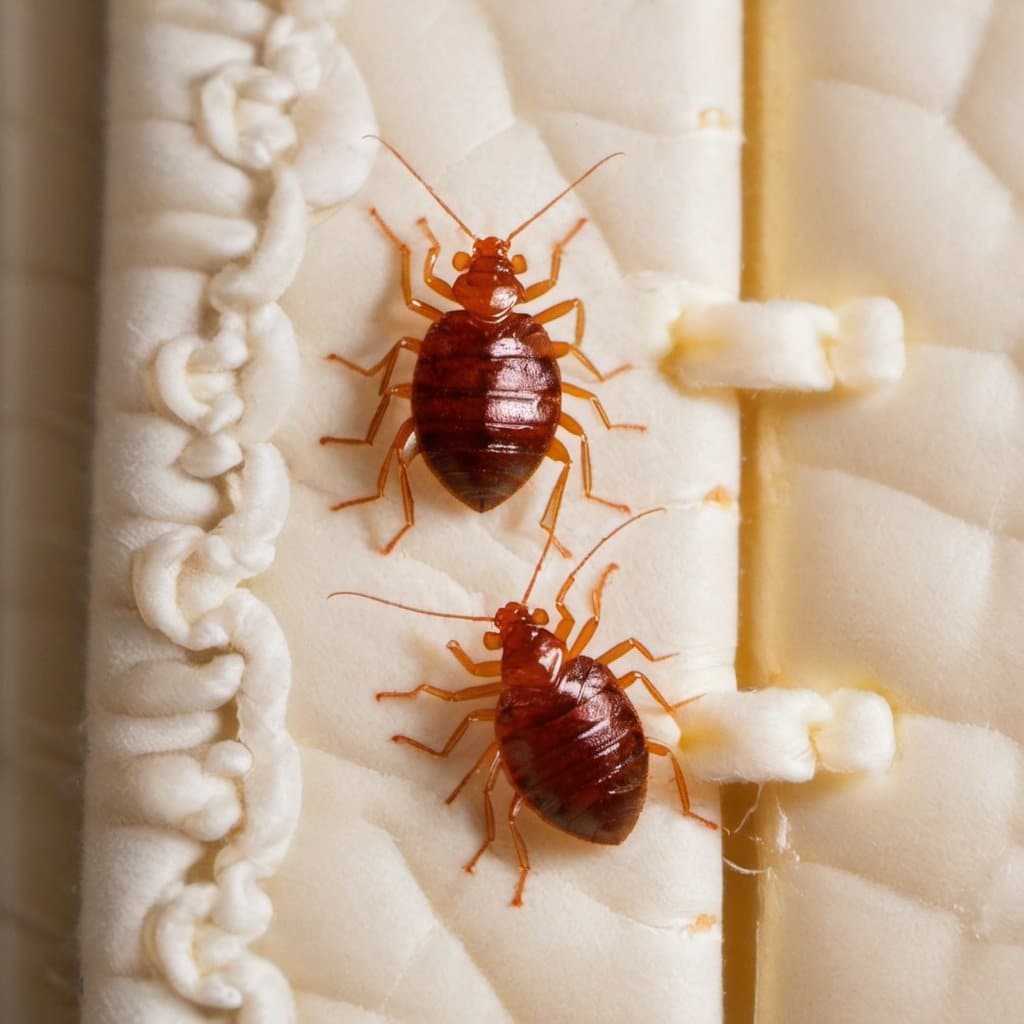

One of the biggest misconceptions about bed bugs is that they only infest dirty homes. In reality, bed bugs can appear in clean houses, expensive hotels, apartments, and almost any other location where people regularly sleep or rest. These insects are not attracted to poor housekeeping. They are attracted to opportunities to feed on people. Bed bugs often spread when they accidentally travel with luggage, clothing, furniture, and personal belongings. Because they are small and excellent at hiding, people may transport them without realizing it. Understanding how bed bugs spread can help homeowners reduce their chances of bringing an infestation into the house. If bed bugs are already present, a professional Broken Arrow Pest Control company can help identify the infestation and recommend appropriate treatment.
Bed bugs cannot fly or jump. They move by crawling and are frequently transported from one location to another on belongings. Luggage is one possible transportation method. When someone stays in an infested room, bed bugs may crawl into a suitcase or other personal items. The insects can then be carried into another building. Used furniture is another potential source. Mattresses, couches, recliners, bed frames, and other upholstered items may contain hidden bed bugs. Even furniture that appears clean can harbor insects or eggs. Bed bugs may also travel on backpacks, bags, and other belongings. However, finding a bed bug on an item does not automatically mean an established infestation exists. The important question is whether insects have entered the home and begun hiding or reproducing there.
Hotels and other overnight accommodations can sometimes experience bed bug infestations. The price or appearance of a hotel does not guarantee that bed bugs will be absent. Before unpacking, travelers can perform a brief inspection of the sleeping area. Look along mattress seams, near the headboard, and around other accessible hiding places. Check for live insects, shed skins, and dark spotting. Keep luggage away from the bed and avoid placing it directly against upholstered furniture. A luggage rack can be useful, especially when it is positioned away from the bed and inspected before use. If convincing evidence of bed bugs is discovered, notify hotel management. Requesting a different room may be appropriate, preferably one that is not immediately adjacent to the suspected infested room. These precautions cannot eliminate every risk, but they may reduce the chance of accidentally transporting bed bugs home.
When returning from a trip, take a few minutes to inspect your belongings. Examine luggage seams, pockets, and other protected areas where insects might hide. Clothing that can tolerate appropriate heat treatment may be placed in a dryer according to fabric-care instructions. Sufficient dryer heat can kill bed bugs and their eggs. Washing alone may not always provide the same level of control, particularly when water temperatures are too low. Items that cannot tolerate heat require different handling. Avoid applying household insecticides directly to clothing or luggage unless the product is specifically labeled for that use. If you discover bed bugs in your belongings, contain the affected items while determining the safest next step. Prompt action can reduce the possibility of insects spreading throughout the house.
Buying secondhand furniture can save money, but it is important to inspect items before bringing them indoors. Upholstered furniture presents particular challenges because insects can hide deep inside seams and folds. Examine mattresses, couches, chairs, and bed frames for signs of activity. Look for insects, eggs, shed skins, and suspicious spotting. Inspect wooden joints, screw holes, and other protected spaces. Furniture collected from curbsides or discarded areas deserves extra caution because its history is unknown. An item may have been discarded because of a pest problem. Not every used item contains bed bugs, but a careful inspection can help prevent avoidable problems. If you are uncertain about a piece of furniture, consider having it evaluated before moving it into your living space.
Bed bugs are not normally insects that remain attached to the human body. Unlike lice, they generally spend much of their time hiding in protected locations and emerge to feed. However, bed bugs can hide in folded clothing and other fabrics. Clothing stored near an infested sleeping area may become contaminated. Moving those items into another room can accidentally spread insects. If bed bugs are suspected, avoid carrying loose piles of potentially infested laundry through the house. Use sealed bags or other suitable containers to transport items for treatment. Follow fabric-care instructions when using heat. After treatment, store clean clothing separately from untreated belongings until the infestation is controlled.
Bed bugs are primarily active during periods when people are resting, often at night. Their small size and hiding behavior make them easy to overlook. Some people do not develop noticeable reactions to bites. Others may assume the irritation is caused by mosquitoes, fleas, or another source. Because bite reactions are not reliable proof of bed bugs, an infestation may remain undetected until someone discovers physical evidence. Bed bugs can also hide in locations that are difficult to inspect without moving furniture. A small population may produce few obvious signs. Regular awareness of the warning signs can help homeowners recognize potential problems sooner.
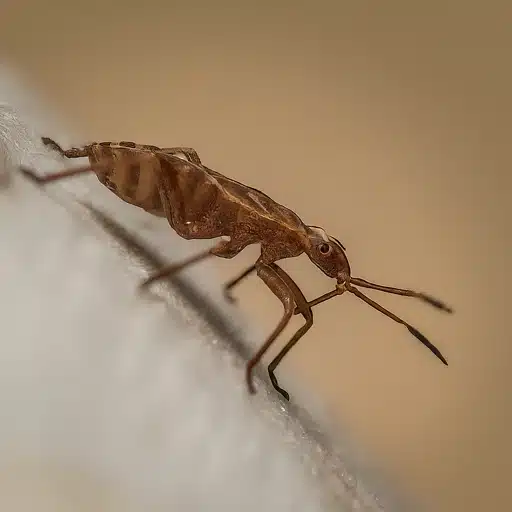
Finding an insect that resembles a bed bug can be alarming. However, proper identification should come before extensive treatment. Several other insects can be mistaken for bed bugs. If possible, collect the insect in a sealed container or take clear photographs. Avoid crushing the specimen beyond recognition. Inspect the immediate area for additional evidence. Check mattress seams, the bed frame, nearby furniture, and other protected locations. Do not immediately move all your belongings into another bedroom. That could transport insects to a previously unaffected area. Avoid applying multiple insecticides without understanding how the products work or whether they are labeled for bed bugs. Contacting a pest control professional can help determine whether the insect is actually a bed bug and whether additional inspection is needed.
Homeowners sometimes attempt to eliminate bed bugs using sprays purchased from retail stores. While certain products can kill exposed insects, complete elimination may be difficult. Bed bugs often hide where sprays cannot easily reach. Eggs and insects sheltered inside furniture may survive incomplete treatment. Some bed bug populations also have resistance to particular insecticides. Applying excessive amounts of insecticide is not a safe solution. Pesticides should always be used according to their labels. Homemade treatments involving flammable liquids, excessive heat, or other unsafe methods should be avoided. Improper heating can create serious fire hazards. A professional treatment plan considers the insect’s biology, the extent of the infestation, and the limitations of different control methods.
A professional bed bug inspection helps establish where insects are hiding and how widespread the infestation may be. Depending on the findings, a technician may recommend a combination of treatment methods. These can include targeted insecticide applications, steam, localized heat, and other approved approaches. Follow-up treatment may be needed because bed bugs can survive in protected locations and eggs may hatch after an initial application. Successful management often requires cooperation between the homeowner and pest control provider. Preparation instructions, laundering recommendations, and follow-up inspections can all play important roles. The objective is to eliminate the infestation while minimizing unnecessary pesticide exposure.
Bed bugs behave differently from many common household pests. They are frequently introduced through travel and transported belongings rather than entering from outdoor nesting areas. For that reason, ordinary exterior pest treatments should not be expected to prevent every bed bug introduction. Awareness, careful inspection, and prompt response are important preventive measures. A recurring pest control program can help homeowners manage many common pests, but bed bugs generally require a specific inspection and treatment approach. If bed bugs are discovered, the problem should be evaluated directly rather than assuming an existing general pest treatment will eliminate them.
Bed bugs can create considerable stress for homeowners, especially when the insects continue appearing despite attempts to eliminate them. The most important steps are identifying the problem correctly, avoiding actions that spread the infestation, and selecting an appropriate treatment plan. At TermMax Pest Control, we provide pest management services for homeowners throughout Broken Arrow and the surrounding Tulsa area. If you suspect bed bugs are hiding in your mattress, furniture, or other areas of your home, our team can help evaluate the situation. Contact TermMax Pest Control today to discuss your concerns and learn about available bed bug treatment options.