

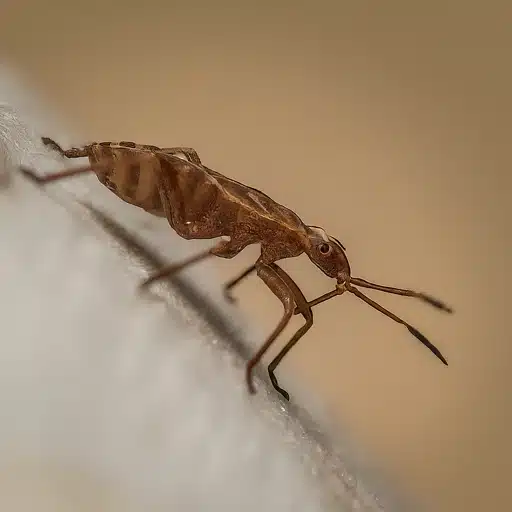

Bed bugs are one of the most frustrating pests a homeowner can face. They are small, secretive, and very good at hiding close to the places where people sleep or rest. An infestation can begin without obvious signs and then become harder to control as the population grows. Bed bugs are not a sign that a home is dirty. They can be introduced into clean homes, hotels, apartments, offices, and other buildings when the insects or their eggs are carried in on belongings. If you suspect an infestation, a Tulsa Exterminator can inspect the property and help determine the next steps.
How Bed Bugs Get Into Homes
Bed bugs are commonly transported from one location to another. Luggage, backpacks, clothing, used furniture, bedding, and other belongings can provide hiding places. In multi-unit housing, bed bugs can also move between nearby units through cracks and shared building spaces. Because they are excellent hitchhikers, it may be impossible to know exactly where an infestation began.
What Bed Bugs Look Like
Adult bed bugs are small, flat insects with oval bodies. Unfed adults are generally reddish brown. Young bed bugs, called nymphs, are smaller and lighter in color. Eggs are tiny and can be difficult to see without close inspection.
Bed bugs go through incomplete metamorphosis. Eggs hatch into nymphs, and the nymphs pass through several developmental stages before becoming adults. They require blood meals as they develop. The U.S. Environmental Protection Agency provides information about bed bug appearance, eggs, nymph stages, and the bed bug life cycle.
Signs of a Bed Bug Infestation
Bites alone are not a reliable way to confirm bed bugs. People react differently to bites, and some people may show little or no visible reaction. Physical evidence of the insects is much more useful.
Look for live bed bugs, shed skins, eggs, dark fecal spotting, or small blood stains in areas where people sleep or rest. Mattress seams, box springs, bed frames, headboards, upholstered furniture, and cracks near sleeping areas are common inspection locations. University of Minnesota Extension describes common bed bug signs, inspection areas, prevention practices, and control considerations.
Why Bed Bugs Are Difficult to Eliminate
Bed bugs can hide in extremely small spaces. They may be behind trim, inside furniture joints, beneath mattress piping, around screw holes, or in other protected cracks. They can also survive for extended periods without feeding under some conditions. Another challenge is that bed bug populations can have resistance to some insecticides. A product that kills exposed insects may not reach every hiding place or life stage.
Foggers or bug bombs are generally not a good answer for bed bugs. They may fail to reach the cracks where bed bugs are hiding, and improper pesticide use can create unnecessary exposure risks. A Tulsa Exterminator should base treatment on inspection findings, the property, product labels, and the extent of the infestation.
Preparing for Treatment
Preparation requirements vary depending on the treatment program. Do not automatically throw away mattresses, furniture, or other belongings before speaking with the pest control company. Moving infested furniture through a building can spread bed bugs to other locations.
The technician may provide instructions for clothing, bedding, clutter, furniture access, or laundry. Follow those instructions carefully. Bagging and moving belongings should be done according to the treatment plan so insects are not accidentally moved into clean areas.
Professional Bed Bug Treatment
Bed bug control is often an integrated process rather than one product applied everywhere. Depending on the situation, a professional may use labeled residual insecticides, dusts in appropriate voids, targeted steam or heat, monitoring devices, mattress encasements, or other control methods. The exact combination depends on the infestation and the treatment program.
Inspection remains important after treatment begins. Monitoring can help determine whether activity continues and where additional attention may be needed. Because bed bugs can hide so effectively, follow-up service is often part of a professional program.
Reducing the Risk of Bringing Bed Bugs Home
When traveling, inspect sleeping areas before unpacking. Keep luggage organized and avoid placing bags directly on beds or upholstered furniture until the area has been checked. Be cautious with used mattresses, upholstered furniture, and other secondhand items because bed bugs can hide in seams, joints, and internal spaces.
Why Early Detection Matters
A small bed bug introduction can be easier to manage than an infestation that has had time to spread into multiple rooms and pieces of furniture. If you find a suspicious insect, save it in a sealed container or take a clear photo when possible so it can be identified. Avoid immediately spraying the room or moving furniture. Knowing exactly what pest is present allows the treatment plan to start with better information.
Pay attention to recurring evidence rather than relying only on bites. Checking mattress seams, the bed frame, headboard, and nearby furniture periodically can help reveal activity earlier. In apartments or other shared buildings, reporting confirmed activity promptly can also help reduce the chance that the problem spreads unnoticed.
When to Call a Tulsa Exterminator
If you find a live bed bug, shed skins, eggs, or repeated spotting around a sleeping area, professional inspection is a good next step. The sooner the infestation is correctly identified, the sooner an appropriate control program can begin.
TermMax Pest Control helps Tulsa-area customers deal with difficult pest problems, including bed bugs. A Tulsa Exterminator can inspect the areas where activity is suspected, explain the evidence found, and develop a treatment plan for the property. If you believe bed bugs have made their way into your home, contact TermMax Pest Control and schedule an inspection.