

Understanding Bed Bugs Feeding Habits: Insights from Broken Arrow Exterminator
Bed bugs are among the most notorious pests, inflicting discomfort and anxiety on countless households across the country. Their elusive nature and rapid reproduction make them a formidable adversary for homeowners and pest control professionals alike. One of the critical aspects of understanding and managing these pests is knowing how and when they feed. In this blog post, we’ll explore the feeding habits of bed bugs, the significance of their feeding behavior, and how professional services like Broken Arrow Exterminator can help you effectively eliminate these unwanted guests.
The Feeding Habits of Bed Bugs
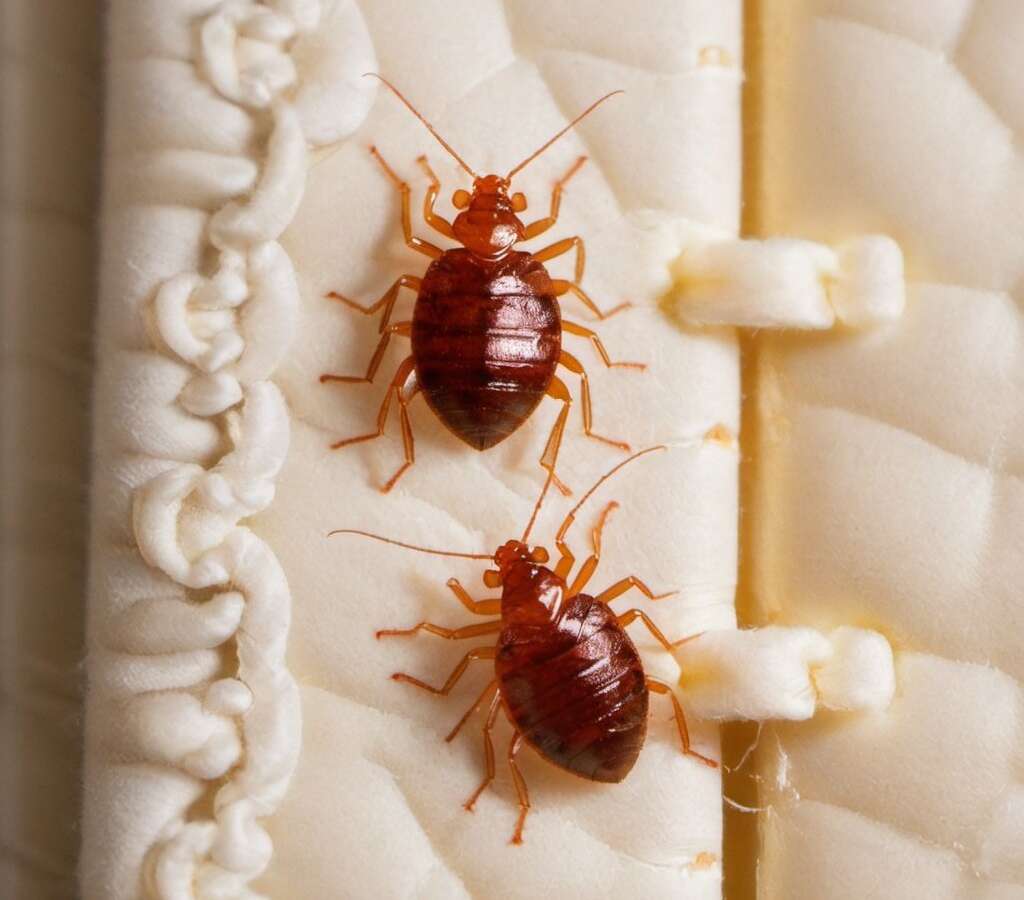
Bed bugs (Cimex lectularius) are hematophagous insects, meaning they require blood to survive and reproduce. Their primary food source is human blood, although they can occasionally feed on other warm-blooded animals. Bed bugs are nocturnal feeders, preferring to hide during the day and emerge at night to feed when hosts are less active.
During a feeding session, a bed bug pierces the skin with its elongated mouthparts, injecting saliva that contains anticoagulants and anesthetics. This saliva prevents blood clotting and numbs the skin, making the bite less noticeable. Feeding typically lasts between 3 to 10 minutes, during which the bed bug ingests several microliters of blood.
How Often Do Bed Bugs Feed?
Contrary to popular belief, bed bugs do not feed every night. Their feeding frequency depends on several factors, including the availability of a host, temperature, and the bug’s life stage. Adult bed bugs can survive for several months without feeding, especially in cool environments, but they generally feed once every 5 to 10 days when a host is present.
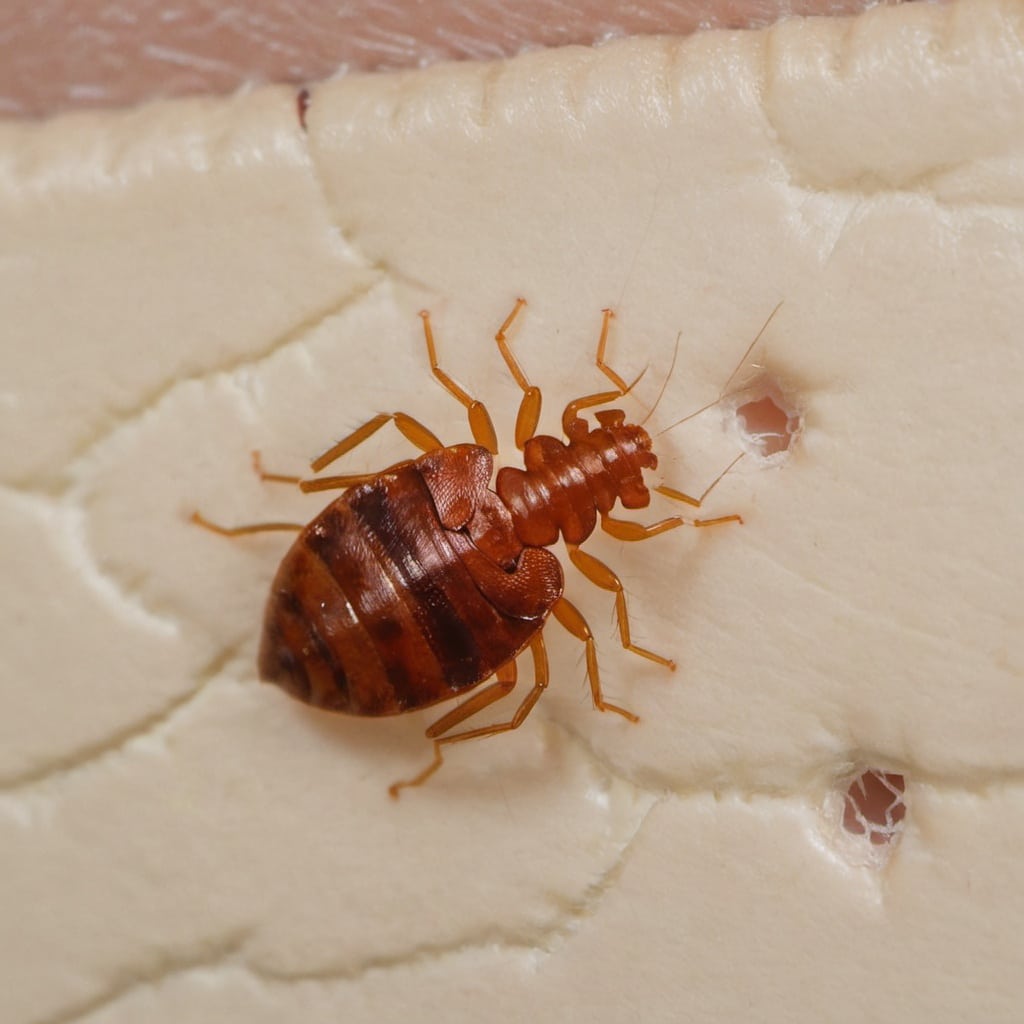
Infants and nymphs (juvenile bed bugs), however, require more frequent feedings to grow and develop. A nymph might need to feed every 5 to 7 days, especially before molting into the next stage. This feeding behavior is why infestations can escalate rapidly if left untreated, as each fed female can lay numerous eggs, leading to exponential growth.
Recognizing Bed Bug Bites and Infestations
Since bed bug bites often appear as small, itchy welts, they can be mistaken for other insect bites. Common signs of infestation include:
- Rust-colored stains on bed sheets from crushed bugs
- Dark spots (bed bug excrement) on mattresses and furniture
- Shed skins from molting nymphs
- A musty odor in severe infestations
If you suspect a bed bug problem, it’s important to act quickly. DIY methods may not be sufficient to eradicate an infestation, especially since bed bugs tend to hide in cracks and crevices.
Professional Bed Bug Treatment: The Role of Broken Arrow Exterminator
When it comes to effectively eliminating bed bugs, professional pest control services are your best bet. Companies like Broken Arrow Exterminator are equipped with specialized tools and expertise to thoroughly treat infested areas. They use a combination of methods such as heat treatment, chemical applications, and integrated pest management strategies to ensure complete eradication.
One of the key benefits of hiring a professional is their ability to identify all hiding spots and eliminate bed bugs at all life stages. Since bed bugs can hide in furniture, electrical outlets, and behind baseboards, a trained technician can systematically address these areas, reducing the likelihood of a reinfestation.
Prevention Tips and When to Call a Professional
Prevention is crucial in avoiding future bed bug problems. Regular inspection of bedding, furniture, and luggage can help detect early signs of infestation. Additionally, reducing clutter and sealing cracks in walls and furniture can limit hiding spots.
However, if you notice signs of an active infestation or bite reactions, it’s advisable to contact Broken Arrow Exterminator or another certified pest control professional promptly. Their expertise ensures safe and effective treatment, giving you peace of mind.
Additional Resources
For more detailed information on pest management and bed bug biology, visit educational resources such as University of Kentucky’s Entomology Department and Texas A&M AgriLife Extension. These sites provide science-based insights into pest behavior and control methods.
Conclusion
Understanding the feeding habits of bed bugs is essential for effective management. Their nocturnal feeding behavior, survival strategies, and rapid reproduction underscore the importance of prompt, professional intervention. If you’re battling bed bugs, don’t hesitate to contact Broken Arrow Exterminator for expert assistance. Their proven methods and experience can help restore comfort and safety to your home, ensuring these pests are a thing of the past.
If you need further assistance or want to learn more about pest control options, reach out to Broken Arrow Exterminator today. Remember, early detection and professional treatment are key to a pest-free home!