

Buzz Off! Unveiling the Truth About Bee Stings (And Why You Should Call Broken Arrow Pest Control)
The sun is shining, flowers are blooming, and the sweet, hazy hum of bees fills the air. Summer, in all its glory, is upon us. But for some, that idyllic scene can be punctuated by a sharp, unwelcome sting. Bee stings, while often a minor inconvenience, can be a source of anxiety and, in rare cases, a serious medical emergency. Let’s dive into the world of bees, stings, and what you need to know to stay safe and smart.
First, let’s dispel a common myth. Not all bees are created equal when it comes to stinging. Honeybees, the ones most often associated with stings, are built for single-use defense. Their stingers are barbed, designed to lodge themselves in the skin of their attacker. When a honeybee stings, it loses its stinger, along with its venom sac, digestive tract, and a portion of its abdomen. This fatal act is a desperate last resort, meaning honeybees are generally not aggressive unless they feel threatened. Think of it like a suicide bomber – effective in their mission, but at a significant personal cost.
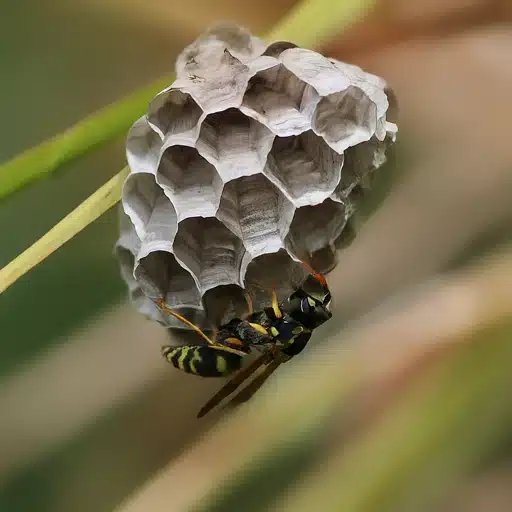
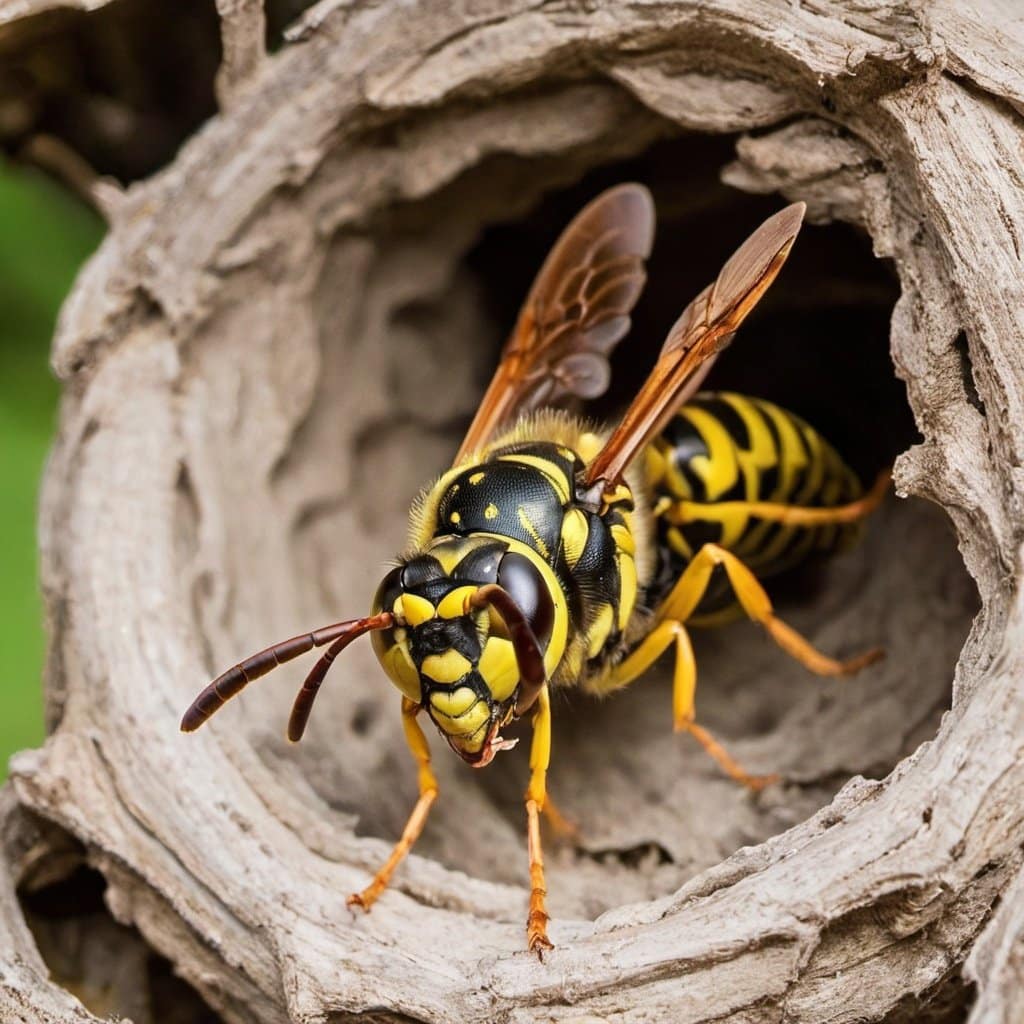
Wasps, on the other hand, are repeat offenders. Their stingers are smooth, allowing them to sting multiple times. This makes them arguably more of a nuisance. Common culprits include yellow jackets and hornets, known for their aggressive defense of their nests. These stinging insects are more likely to aggressively defend their territory, making encounters more frequent and potentially more hazardous.
So, what happens when a bee (or wasp) decides you’re a threat? The venom injected into the skin contains various proteins and enzymes that cause a localized inflammatory response. This is why the sting site swells, turns red, and throbs with pain. The severity of the reaction varies greatly from person to person, depending on factors like individual sensitivity and the amount of venom injected.
Typical Reactions (and what to do):
- Localized Reaction: This is the most common type. You’ll experience immediate sharp pain, followed by swelling, redness, and itching at the sting site. This is generally considered a mild reaction.
- What to do: Remove the stinger immediately (if it’s still present). Gently scrape it out with a fingernail or credit card – avoid squeezing the venom sac, as this can inject more venom. Wash the area with soap and water. Apply a cold compress to reduce swelling and pain. Over-the-counter pain relievers (like ibuprofen or acetaminophen) and antihistamines can help manage discomfort and itching.
- Large Local Reaction: This involves more significant swelling and redness around the sting site, often exceeding a few inches in diameter. The swelling can last for a few days.
- What to do: Follow the same first aid steps as for a localized reaction. Consider consulting a doctor, especially if the swelling is extensive or if you experience flu-like symptoms (fever, chills).
When to Seek Immediate Medical Attention (Symptoms of a Severe Allergic Reaction – Anaphylaxis):
This is where things get serious. Anaphylaxis is a life-threatening allergic reaction that requires immediate medical intervention. Symptoms can include:
- Difficulty breathing or swallowing
- Wheezing or stridor (a high-pitched whistling sound when breathing)
- Swelling of the tongue, lips, or throat
- Hives (itchy, raised welts on the skin)
- Dizziness, lightheadedness, or loss of consciousness
- Nausea, vomiting, or diarrhea
- Rapid heartbeat
If you or someone you know experiences any of these symptoms after being stung, call emergency services (911) immediately. Epinephrine (an EpiPen) can be life-saving in these situations.
Preventing Bee Stings – Proactive Measures and When to Call the Professionals:
The best way to deal with bee stings is to avoid them altogether! Here are some preventative tips:
- Be Alert: Be aware of your surroundings, especially when outdoors. Look for buzzing insects, and avoid swatting at them, as this can provoke an attack.
- Avoid Sweet Scents: Bees are attracted to sweet fragrances. Avoid wearing strong perfumes, colognes, or brightly colored clothing.
- Cover Up: Wear long sleeves and pants, especially when working in gardens or near flowering plants.
- Control Your Outdoor Space: Keep trash cans covered, and clean up spilled food and drinks promptly. Bees are often attracted to these sources of sustenance.
- Identify and Manage Nests: This is where Broken Arrow Pest Control can truly shine. If you discover a beehive or wasp nest on your property, do NOT attempt to remove it yourself. This is a dangerous undertaking and should only be handled by trained professionals. Incorrect removal can result in a swarm of angry stinging insects and increase the risk of multiple stings.
Why Choose Broken Arrow Pest Control?
Broken Arrow Pest Control has the expertise and equipment to safely and effectively remove bee and wasp nests from your property. Our technicians are trained in identifying different types of stinging insects, understanding their behavior, and implementing the most appropriate and safest removal methods. We prioritize the safety of our clients and our team, ensuring that the job is done right the first time. We also focus on environmentally responsible practices, using targeted treatments to minimize the impact on beneficial insects. We can help you with:
- Nest Identification and Assessment: We’ll identify the type of stinging insect and assess the location and size of the nest.
- Safe Removal: We use specialized equipment and techniques to remove nests safely and efficiently.
- Preventative Measures: We can provide advice and implement preventative measures to reduce the likelihood of future infestations.
- Emergency Service: We offer prompt response times for urgent situations, providing you with peace of mind when you need it most.
Don’t risk a painful and potentially dangerous encounter with stinging insects. If you suspect a hive or nest on your property, contact Broken Arrow Pest Control today. Let us help you enjoy a safe and sting-free summer! Remember, a proactive approach to pest control is the best way to protect yourself and your family from the unexpected bite.