

The Unexpected Buzzkill: Beyond the Ouch of Bee Stings and What Tulsa Pest Control Can Do
Summer is here, and with it comes the symphony of buzzing insects. While many of us enjoy the sight of busy bees flitting from flower to flower, contributing to our ecosystem and even our dinner plates, a more primal fear lurks: the bee sting. Most of us have experienced that sharp, sudden pain followed by the throbbing red welt. But bee stings are more complex than just a summer nuisance, and understanding them is key to staying safe and knowing when to call in the pros, like your local Tulsa Pest Control experts.
Beyond the immediate pain, the bee sting is a fascinating intersection of biology, immunology, and even sociology. Let’s delve beyond the typical advice of “scrape it out quickly” and explore some lesser-known facts.
The Sting’s Tale: It’s All About the Barb
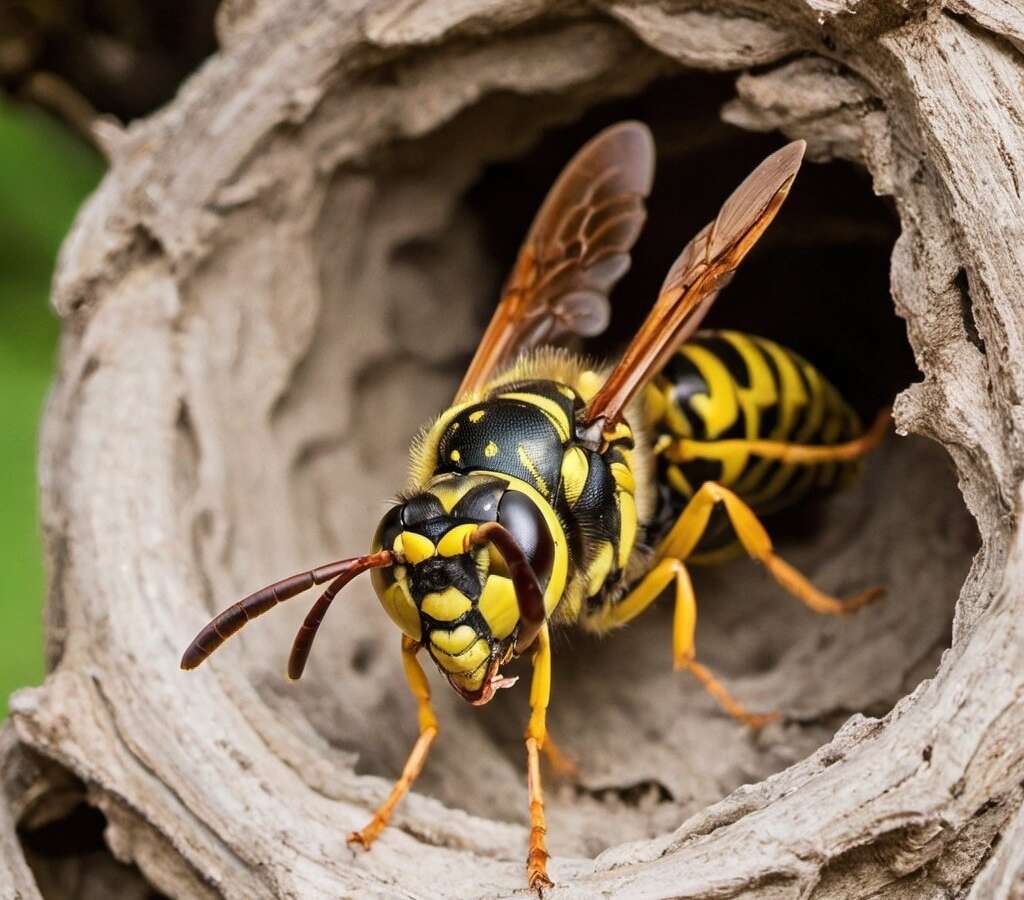
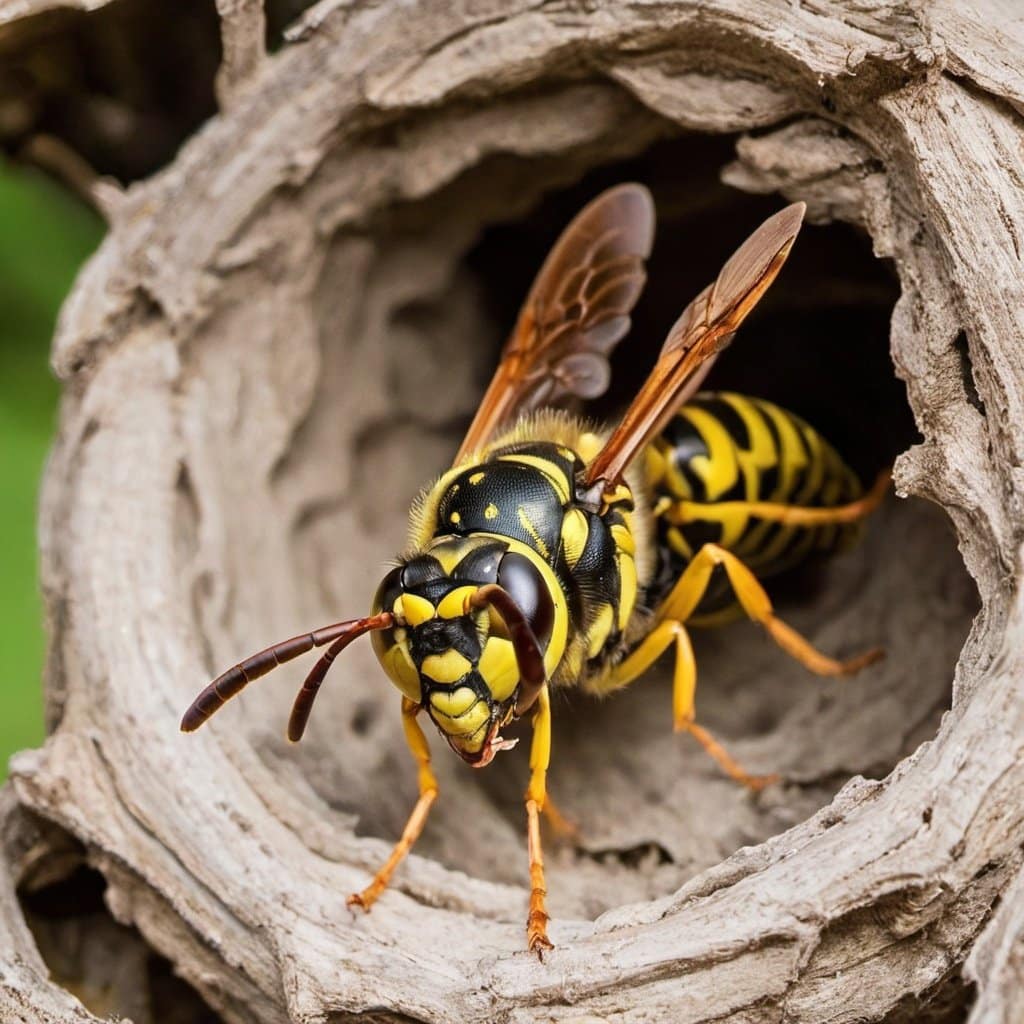
The honeybee, unlike wasps and hornets, has a barbed stinger. This seemingly small detail is the crux of the problem. When a honeybee stings, the barbs become lodged in the skin. As the bee tries to fly away, it rips its stinger – and a significant portion of its abdomen, including its venom sac – from its body. This self-mutilation is fatal for the bee, highlighting the truly desperate measure it takes to defend itself and its hive.
This act of self-sacrifice also explains why the stinger continues to pump venom even after the bee is gone. That pulsing pain you feel isn’t just the initial injection; it’s the ongoing delivery of venom. That’s why quick removal is so crucial. Scraping the stinger sideways (using a credit card, fingernail, or even a dull knife) is preferable to pulling it straight out, as squeezing it can force more venom into the wound.
Venom’s Villainy: A Cocktail of Complications
Bee venom is a complex mixture of proteins, peptides, and enzymes. These substances trigger a cascade of reactions in the body. The immediate pain is caused by compounds like melittin, which damages cell membranes. Other components, like phospholipase A2 and hyaluronidase, break down cell structures and spread the venom further.
This isn’t just about pain. For most people, the reaction is localized – redness, swelling, itching. But for a significant minority, a bee sting can trigger a severe allergic reaction, known as anaphylaxis. Symptoms can include difficulty breathing, hives spreading across the body, dizziness, a drop in blood pressure, and even loss of consciousness. This is a medical emergency, and immediate administration of epinephrine (using an EpiPen) is critical.
Beyond the Average Sting: Hidden Dangers and Unusual Reactions
While most people recover from a bee sting with some minor discomfort, there are less common, but potentially serious, complications.
- Delayed Reactions: Sometimes, a more significant reaction can occur days or even weeks after the sting. This can manifest as serum sickness, with symptoms like fever, joint pain, and rash.
- Toxic Reactions: Multiple stings can lead to a toxic reaction, even in people who aren’t allergic. The sheer volume of venom overwhelms the body’s ability to process it, causing nausea, vomiting, diarrhea, and even seizures.
- Rare Neurological Issues: In extremely rare cases, bee stings have been linked to neurological complications, such as Guillain-Barré syndrome.
Prevention is Key: Avoiding the Buzz
The best defense is a good offense when it comes to bee stings. Here are some tips for minimizing your risk:
- Avoid Attracting Bees: Don’t wear sweet-smelling perfumes or brightly colored clothing when spending time outdoors. Bees are attracted to both.
- Be Careful Around Food and Drinks: Bees are drawn to sugary substances. Keep food and drinks covered, and be especially cautious with open soda cans or juice boxes.
- Stay Calm: If a bee flies near you, don’t swat at it. Swatting can agitate the bee and increase the likelihood of being stung. Slowly and calmly move away.
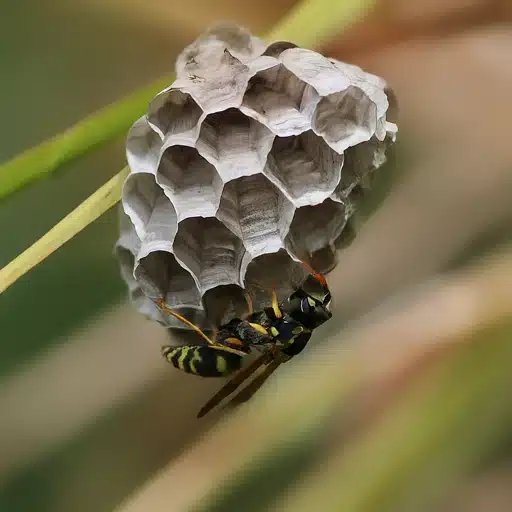
- Know Your Surroundings: Be aware of potential nesting sites, such as ground nests, hives in trees, or even nests in your home’s structure.
When to Call Tulsa Pest Control:
Sometimes, prevention isn’t enough. If you notice a large number of bees around your property, particularly if they are nesting in or near your home, it’s time to call in the professionals. Tulsa Pest Control companies have the expertise and equipment to safely and effectively remove bee nests without putting you or your family at risk. Attempting to remove a nest yourself can be extremely dangerous, especially if you are allergic to bee stings. Professional Tulsa Pest Control services can also identify the type of bee and take steps to prevent future infestations.
Furthermore, if you are experiencing persistent bee problems, Tulsa Pest Control can help identify and address the underlying causes. This might involve sealing up cracks and crevices in your home’s foundation, removing potential food sources, or implementing other preventative measures.
Bee stings are more than just a painful inconvenience. Understanding the biology behind the sting, recognizing potential complications, and taking preventative measures are crucial for staying safe this summer. And when prevention fails, remember that professional help from a Tulsa Pest Control company is just a phone call away. Don’t let the fear of a sting ruin your summer fun!