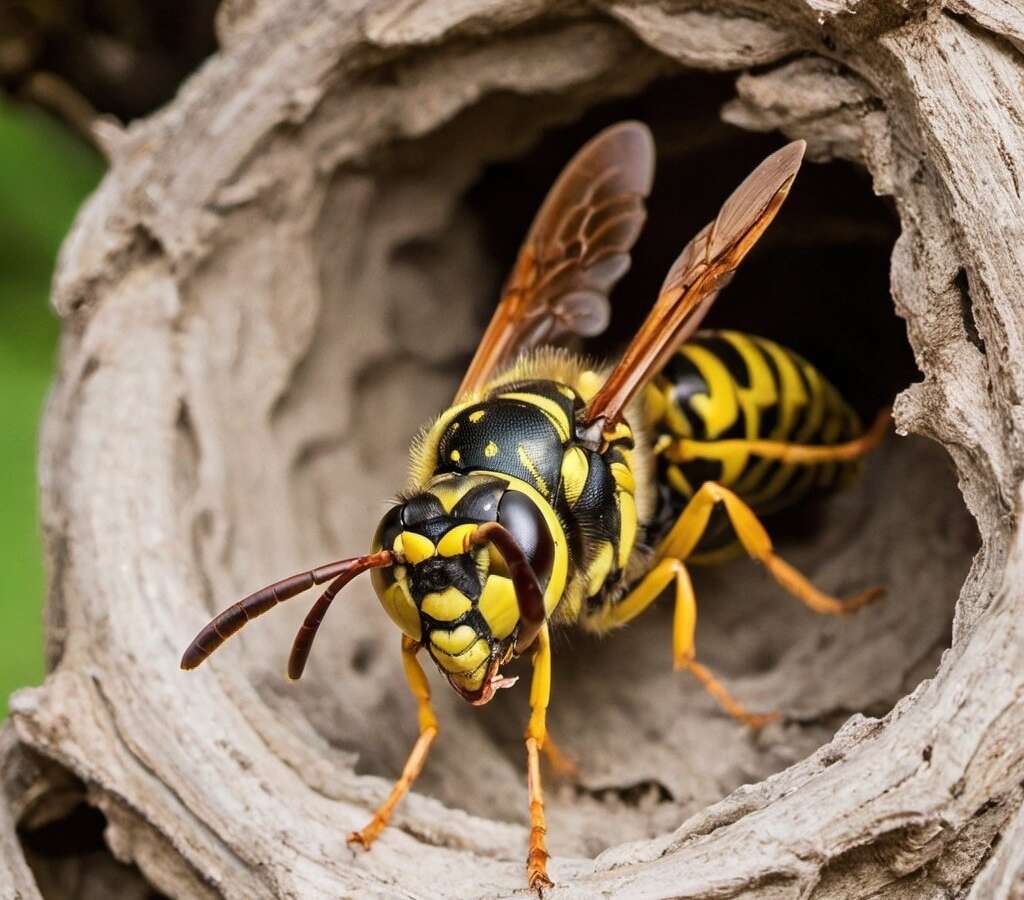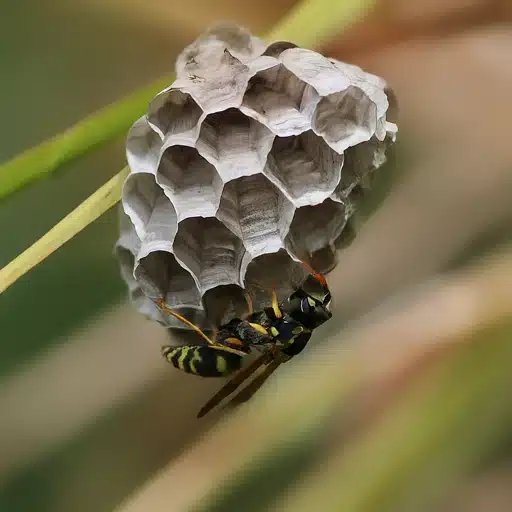

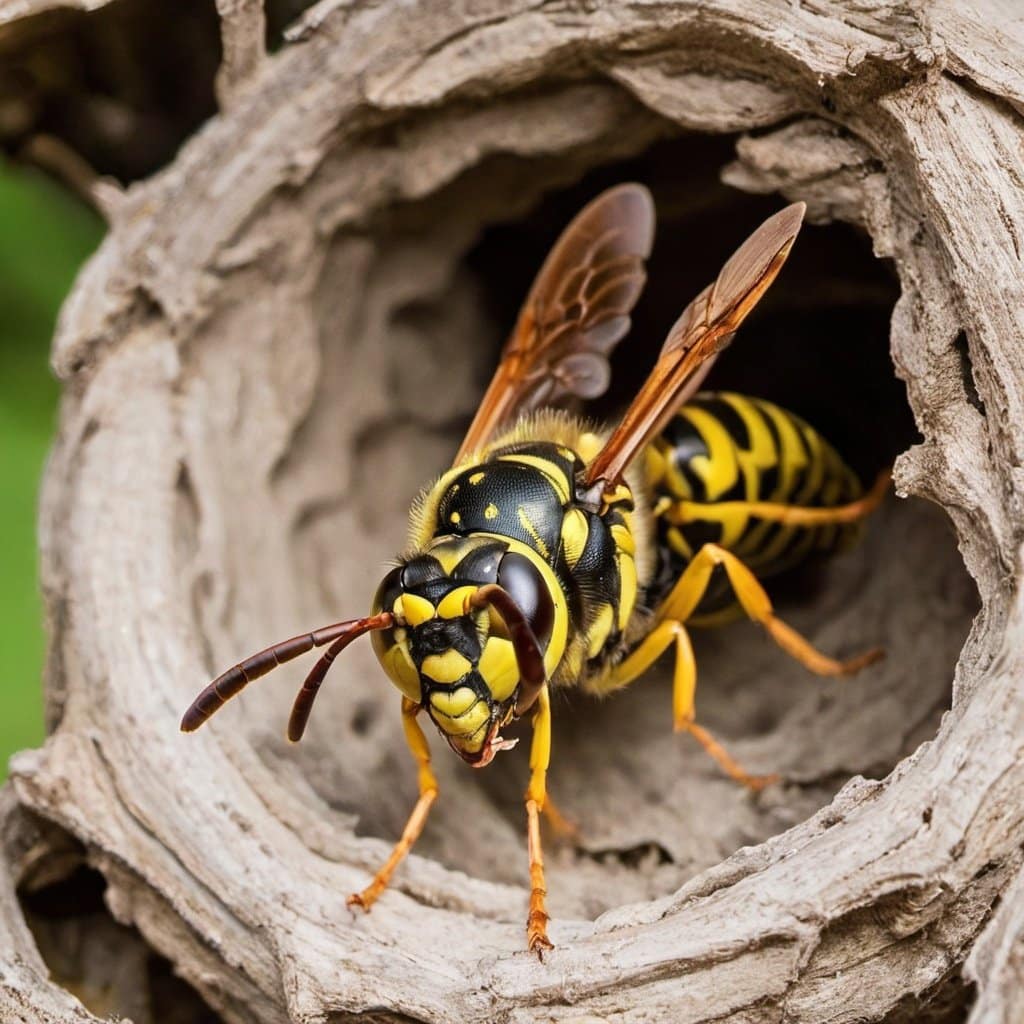

When it comes to pest control, understanding how wasps choose places to build nests is essential for effective prevention and removal. The Broken Arrow Exterminator often encounters wasp nests during their service, and knowing their nesting behaviors can help homeowners take proactive measures. Wasps typically look for sheltered areas that provide safety and protection while raising their young. These locations can vary from tree branches and eaves to attics and sheds.
Common Nesting Locations
Wasps often select nesting sites based on their surroundings. Here are some of the most common places you’ll find wasp nests:
- Natural Vegetation: Trees and bushes offer the perfect environment for wasps. They can easily find shelter from predators and harsh weather.
- Man-Made Structures: Roof eaves, attics, and under decks are popular spots. These areas not only provide cover but also help wasps access food sources nearby.
- Ground Nests: Some wasp species build nests underground. They often take advantage of abandoned rodent burrows or sandy areas.
The Role of Climate
Another significant factor influencing wasp nesting is climate. Warm, sunny areas are preferred as they assist in the survival of the colony. According to a study from Purdue University, wasps thrive in conditions that allow them to access food sources easily. This means that areas with plentiful flowers or garbage can attract these pests.
Behavior of Wasps When Building Nests
Wasps begin their nesting process by creating a small structure from plant fibers and saliva. This mixture hardens, forming a paper-like material. The queen typically starts the nest alone in early spring, and as the colony grows, she will focus on laying eggs while worker wasps take on foraging duties. This information is further supported by studies from the University of Nebraska-Lincoln that highlight the growth dynamics of wasp colonies.
Preventive Measures
To avoid unwelcome encounters with wasps, take a few preventive steps in your home and garden:
- Regularly inspect your property for potential nesting sites.
- Seal gaps and cracks in buildings, particularly around windows and doors.
- Maintain cleanliness by keeping food and garbage securely stored.
Finally, if you notice a wasp nest forming, it is advisable to contact a professional service like TermMax. The Broken Arrow Exterminator can provide you with expert assistance, ensuring safety while dealing with these pests. Early intervention is key to preventing larger infestations.
For more information on pest control strategies and services, visit TermMax. Understanding the nesting habits of wasps empowers homeowners to act quickly and effectively, safeguarding their properties and loved ones from potential pest-related issues.