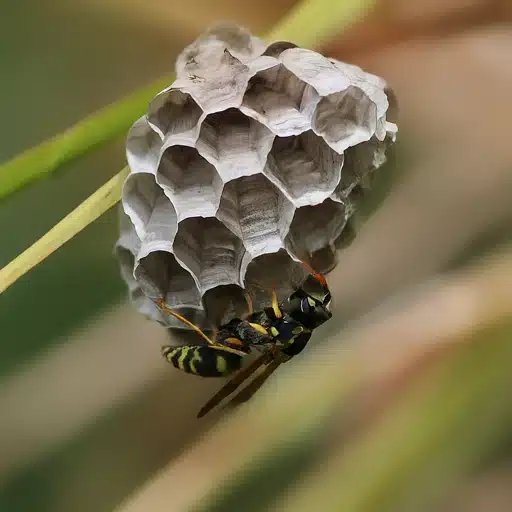

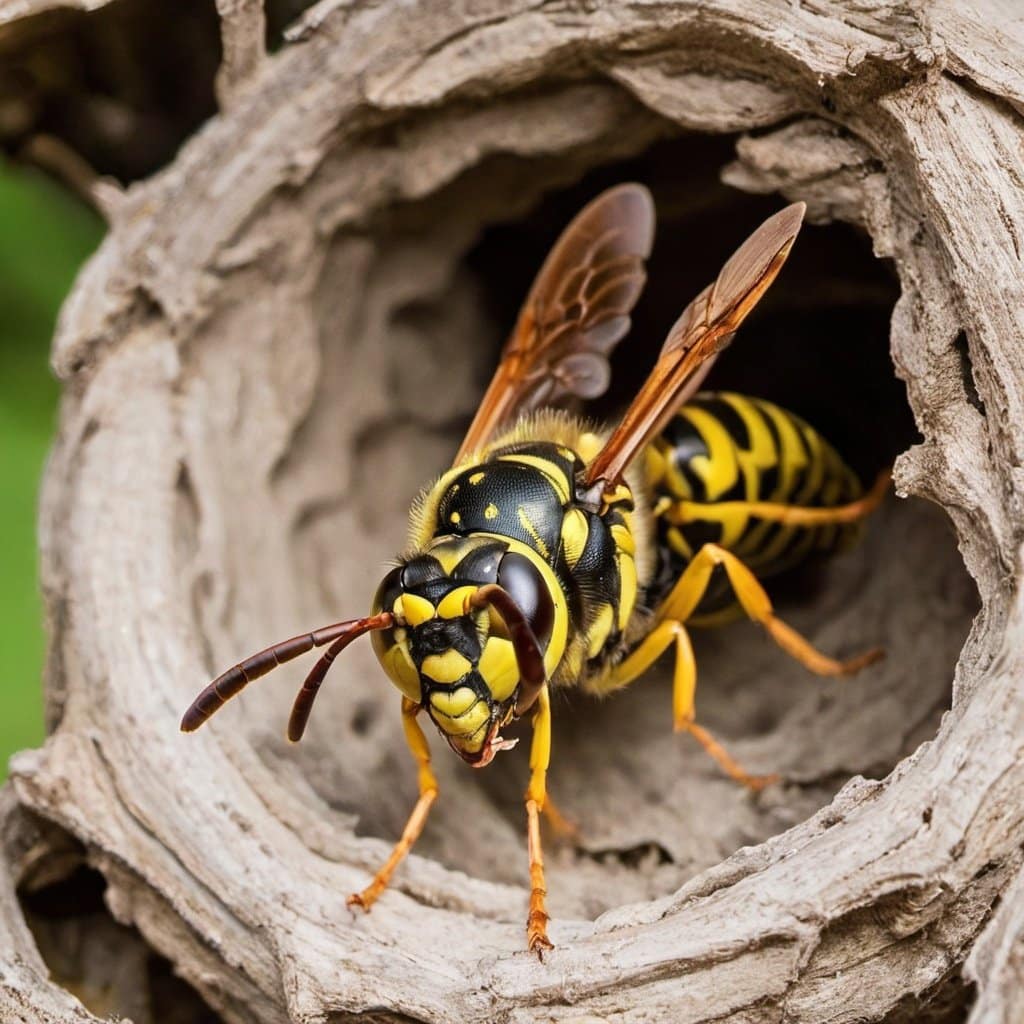

As a Broken Arrow Exterminator, one of the most common challenges we face is dealing with stinging insects like bees and wasps. These creatures, while beneficial to our ecosystem, can pose serious threats when they invade residential areas. In this blog post, we’ll provide helpful tips to safely remove bees and wasps from your property without endangering yourself or the local ecosystem.
Understanding the Importance of Bees and Wasps
Before you decide to exterminate any bees or wasps, it’s important to understand their role in the environment. Bees, for example, are key pollinators and are essential for the growth of many crops and flowers. Removing them safely is critical.
Through proper management and understanding of these insects, overall pest control can be achieved while preserving the necessary balance in nature. For further reading on the ecological benefits of bees, you can visit UWM and for insights on wasp behavior, check out University of Minnesota Extension.
Signs of Bee and Wasp Infestations
Recognizing an infestation early is key in managing the situation effectively. Common signs of a bee or wasp problem include:
- Frequent sightings of bees or wasps around your home
- Visible nests in your yard or on your property
- Increased aggression from stinging insects when near the nest
If you notice these signs, it’s time to take action. For details on controlling other pest issues, visit us at Termmax Services.
Safe Removal Techniques
As a trusted Broken Arrow Exterminator, we recommend the following strategies for removing bees and wasps:
- Identify the Species: Different species require different approaches. Honeybees are often protected by law, while wasps can be safely removed without much concern.
- Timing is Key: The best time to remove nests is during the night when bees and wasps are less active.
- Wear Protective Gear: Always equip yourself with protective clothing, including gloves and a face mask, to avoid painful stings.
- Natural Deterrents: Sometimes, you can deter bees and wasps using natural repellents like peppermint oil or soap solutions.
Always consider reaching out to professionals for large infestations. Explore more pest control tips by visiting our blog.
When to Call a Professional
If the hive is large or you’re unsure about handling it yourself, calling a professional Broken Arrow Exterminator is recommended. We have the right tools and experience to remove them safely and effectively, protecting both your family and the bees.
Conclusion
Managing bee and wasp populations doesn’t mean they have to be exterminated. With the right approach and some fundamental knowledge, you can safely remove these essential creatures from your property. Ensuring a balance between your needs and the environment’s health is crucial. If you face difficulties in handling these pests, don’t hesitate to contact us. As your friendly neighborhood exterminators, we are here to help!