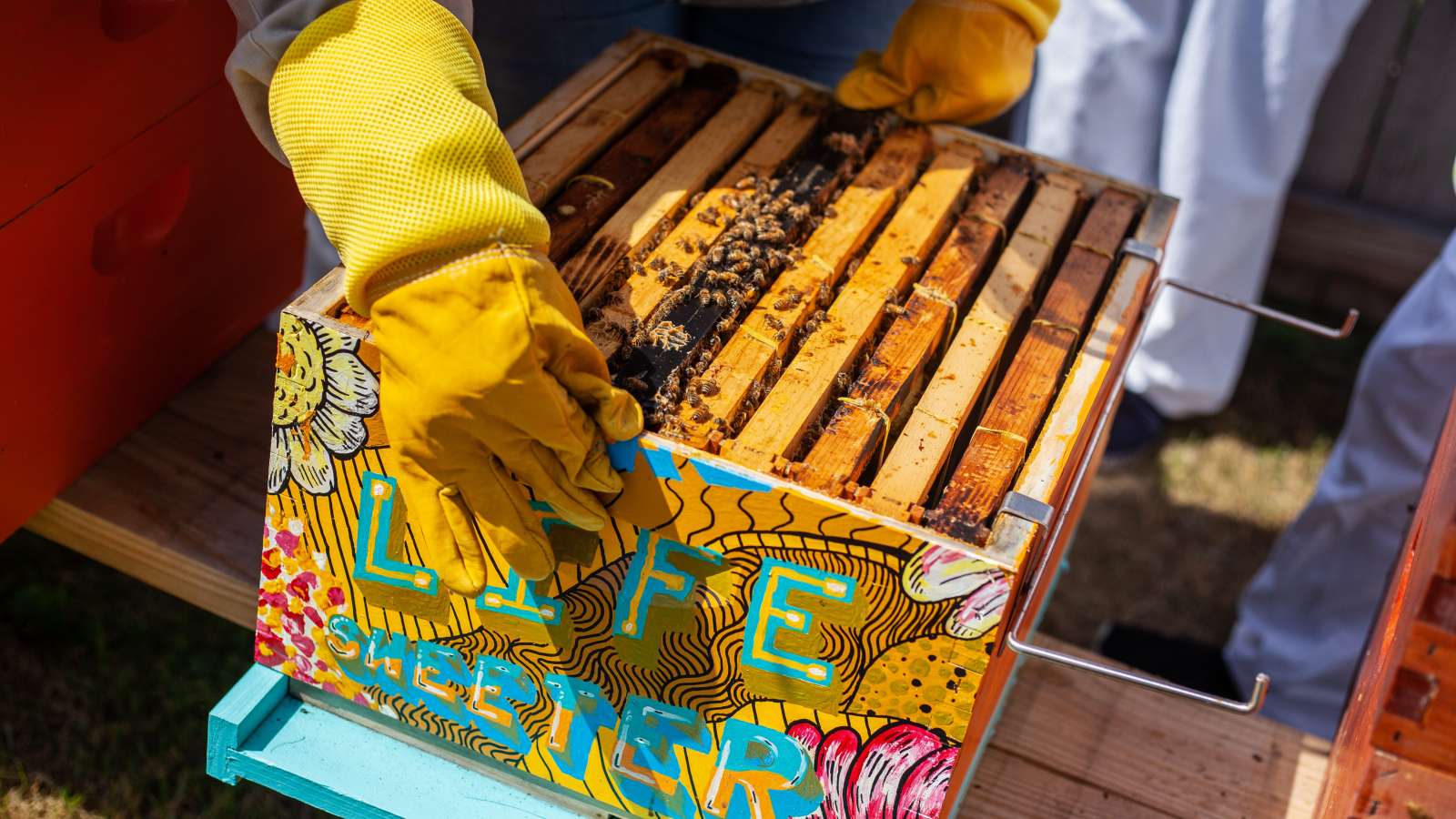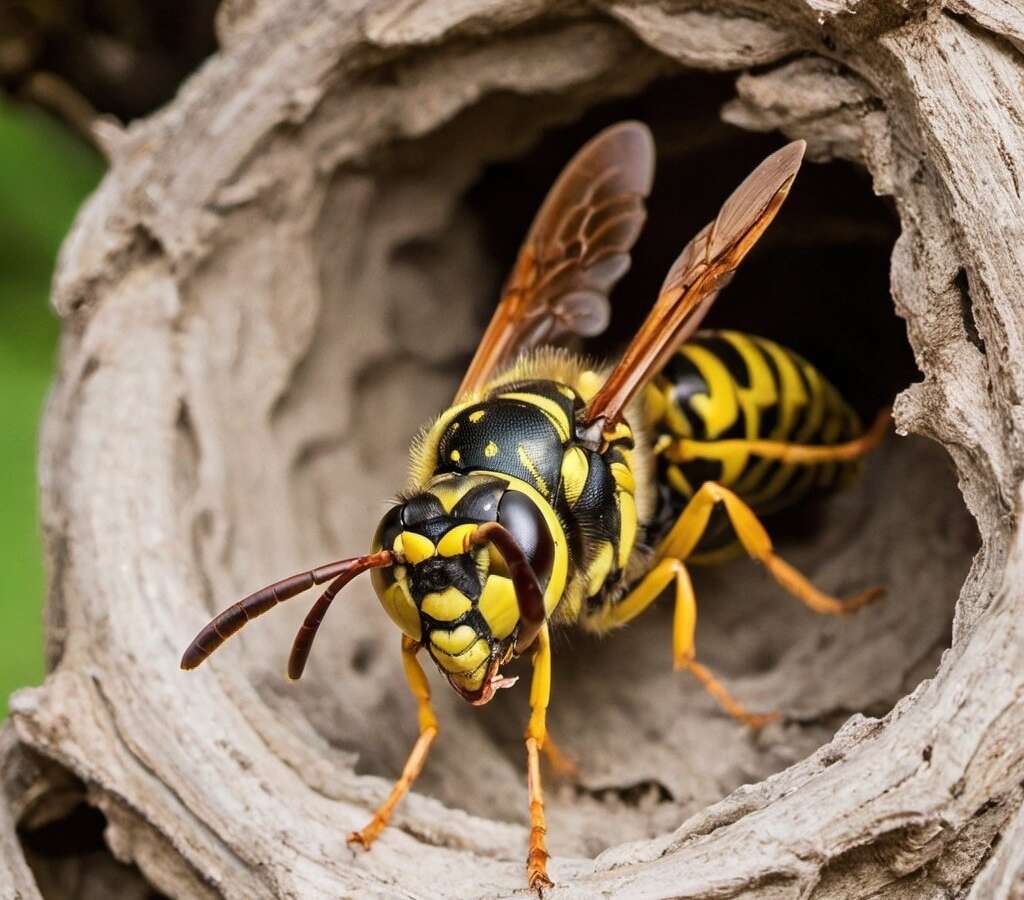

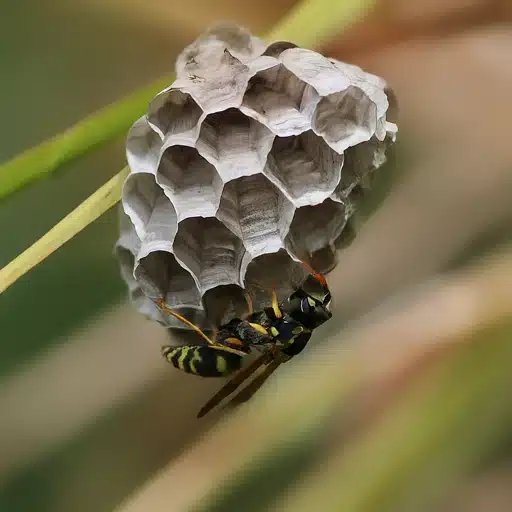

When it comes to maintaining your backyard, Broken Arrow Pest Control is here to help you with stinging insects that can threaten your fruit trees. These insects not only pose a risk to your safety but can also damage your precious crops. Understanding their habits and how to manage them is crucial for protecting your garden.
Identifying Common Stinging Insects
Stinging insects are often attracted to fruit trees due to their sweet scent. The most common types include:
- Wasps
- Bees
- Yellowjackets
Each of these insects has unique behaviors and nesting patterns. For example, wasps tend to build their nests in trees or shrubs, while bees usually prefer to nest in hollow logs or underground. Knowing their habitats can help you take preventive measures.
Preventive Measures with Broken Arrow Pest Control
Taking proactive steps is essential in minimizing encounters with stinging insects. Broken Arrow Pest Control recommends the following tips:
- Keep fruit trees healthy and well-maintained.
- Remove overripe fruit promptly.
- Seal any entry points in your home to prevent insects from entering.
Additionally, consider planting insect-repelling plants around your fruit trees. Some plants like marigolds and mint can deter stinging insects effectively.
When to Seek Professional Help
Sometimes, despite your best efforts, you may encounter a severe infestation. Broken Arrow Pest Control can assist when:
- You notice a large nest near your home.
- Stinging insects become aggressive.
- You have allergies to insect stings.
In these cases, it’s best to contact professionals who have the tools and experience to handle the situation safely. You can learn more about pest control techniques from University of Minnesota Extension or University of New Hampshire.
In conclusion, knowing how to manage stinging insects around your fruit trees is vital for a safe and productive garden. If you’re struggling to keep them at bay, reach out to Broken Arrow Pest Control. Our team is ready to help you maintain a pest-free environment. Visit us at TermMax for more information or contact us directly for assistance.