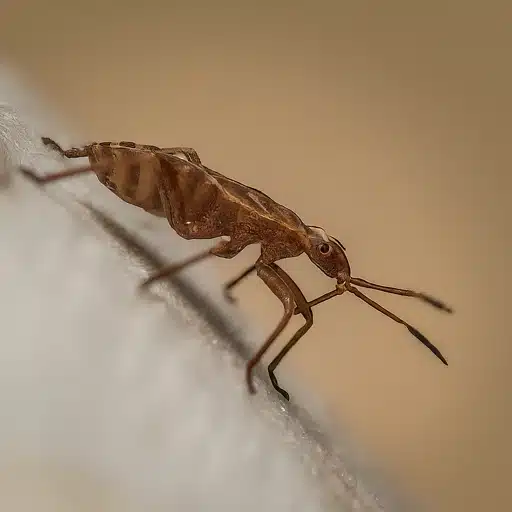

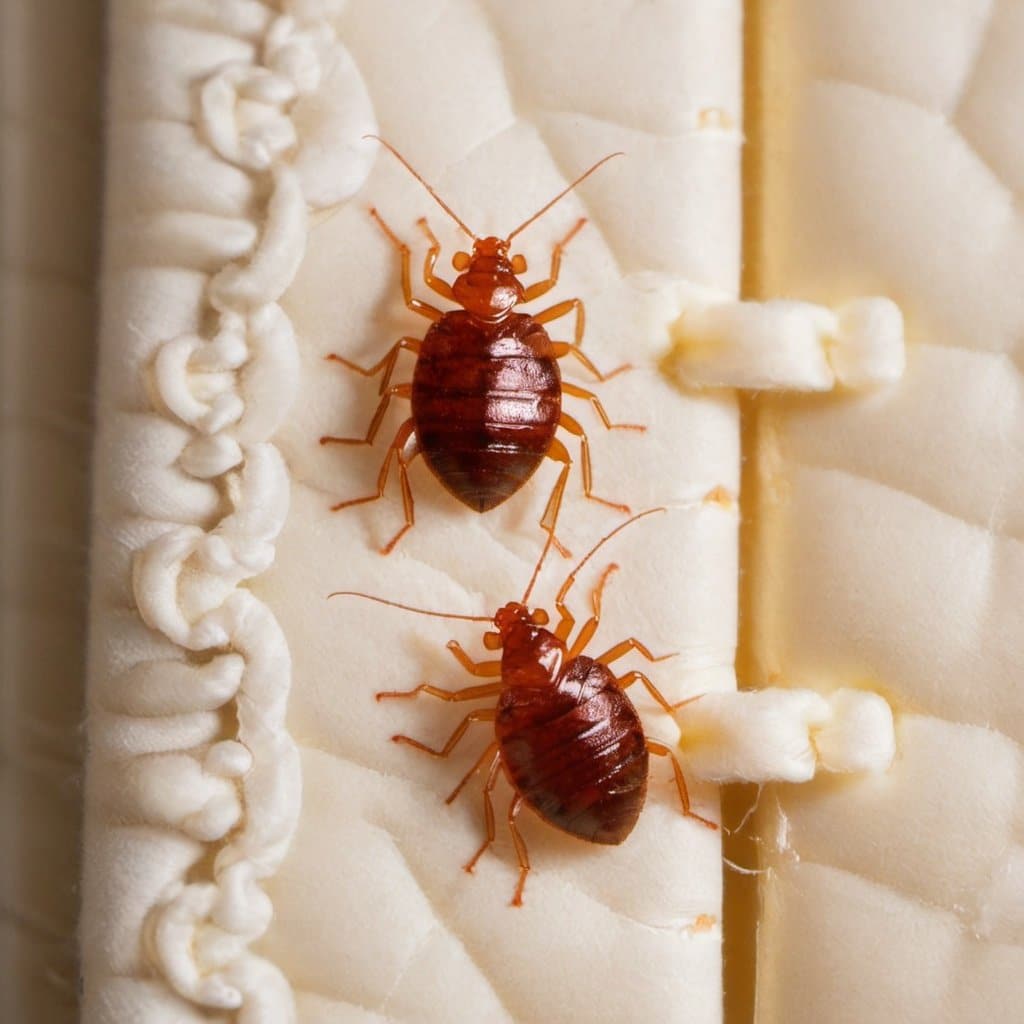

Broken Arrow Pest Control is essential for detecting bed bugs early before they turn into a widespread and costly infestation. Bed bugs are small, elusive pests that can hide in the tiniest cracks and crevices, making them difficult to spot until the problem becomes severe. Early detection is the key to stopping an infestation before it spreads throughout your home.
Why Early Detection Matters with Broken Arrow Pest Control
Bed bugs reproduce quickly, and a small problem can grow into a major infestation in a short period of time. Broken Arrow Pest Control professionals emphasize that catching bed bugs early significantly reduces the time, cost, and effort required to eliminate them.
According to Purdue University Extension, bed bugs can survive for long periods without feeding and often remain hidden during the day, making early detection challenging but critical. The sooner you identify the signs, the easier it is to contain the issue.
If you suspect bed bugs, scheduling an inspection with TermMax Pest Control can help confirm the presence of an infestation and prevent it from worsening.
Common Signs of Bed Bugs in Your Home
Broken Arrow Pest Control experts recommend knowing the early warning signs of bed bugs. One of the most common indicators is small, itchy bites that often appear in clusters or lines on exposed skin.
Other signs include tiny dark spots on bedding or mattresses, which are bed bug droppings, as well as shed skins and small white eggs in hidden areas. You may also notice a faint, musty odor in heavily infested spaces.
These signs are often subtle at first, which is why regular inspections and awareness are so important.
Where to Look for Bed Bugs
Bed bugs prefer to stay close to their food source, which is why they are commonly found in bedrooms. Broken Arrow Pest Control advises checking mattresses, box springs, bed frames, and headboards carefully.
However, bed bugs are not limited to beds. They can also hide in furniture, behind baseboards, inside electrical outlets, and even in cracks in walls. The University of Minnesota Extension notes that bed bugs can spread to multiple rooms if left untreated, making early detection even more important.
Using a flashlight and inspecting seams, folds, and hidden areas can help uncover early signs of activity.
How Broken Arrow Pest Control Professionals Detect Bed Bugs
Professional inspections are one of the most reliable ways to detect bed bugs early. Broken Arrow Pest Control experts are trained to identify even the smallest signs of infestation that homeowners may overlook.
Technicians use specialized tools and techniques to inspect high-risk areas thoroughly. Their experience allows them to distinguish bed bug activity from other pests, ensuring an accurate diagnosis.
Early professional detection can prevent the infestation from spreading and make treatment much more effective.
Preventing Bed Bugs Before They Spread
Broken Arrow Pest Control also focuses on prevention to reduce the likelihood of bringing bed bugs into your home. Travel is one of the most common ways infestations begin, so inspecting hotel rooms and washing clothing after trips can help minimize risk.
Be cautious when bringing used furniture into your home, as it may harbor hidden bed bugs. Regular cleaning and reducing clutter also make it easier to spot early signs of activity.
For added protection, TermMax Pest Control services offer routine inspections and preventative treatments to keep your home pest-free.
Stay Ahead of Infestations with Broken Arrow Pest Control
Detecting bed bugs early is the most effective way to avoid a large-scale infestation. Broken Arrow Pest Control provides homeowners with the knowledge and professional support needed to identify and address problems quickly.
By staying alert to the warning signs, inspecting common hiding places, and seeking professional help when needed, you can stop bed bugs before they take over your home. Broken Arrow Pest Control ensures that infestations are caught early and handled effectively, giving you peace of mind and a healthier living environment.