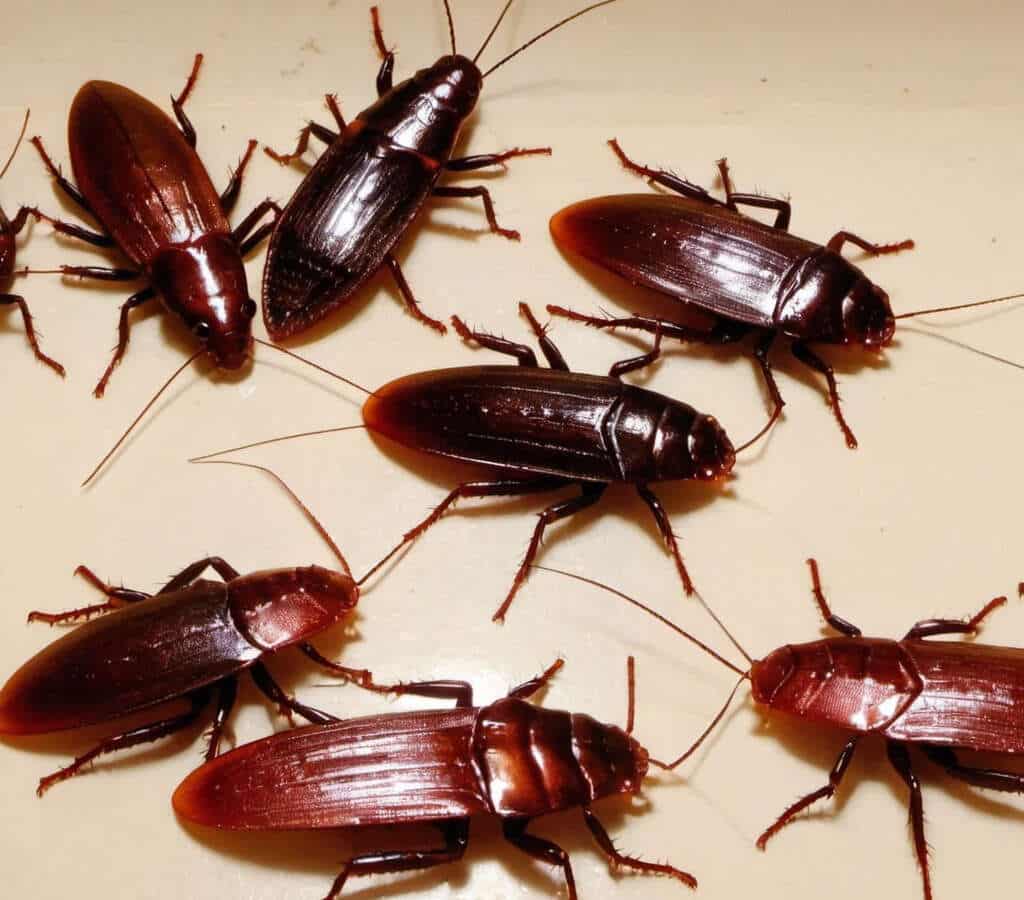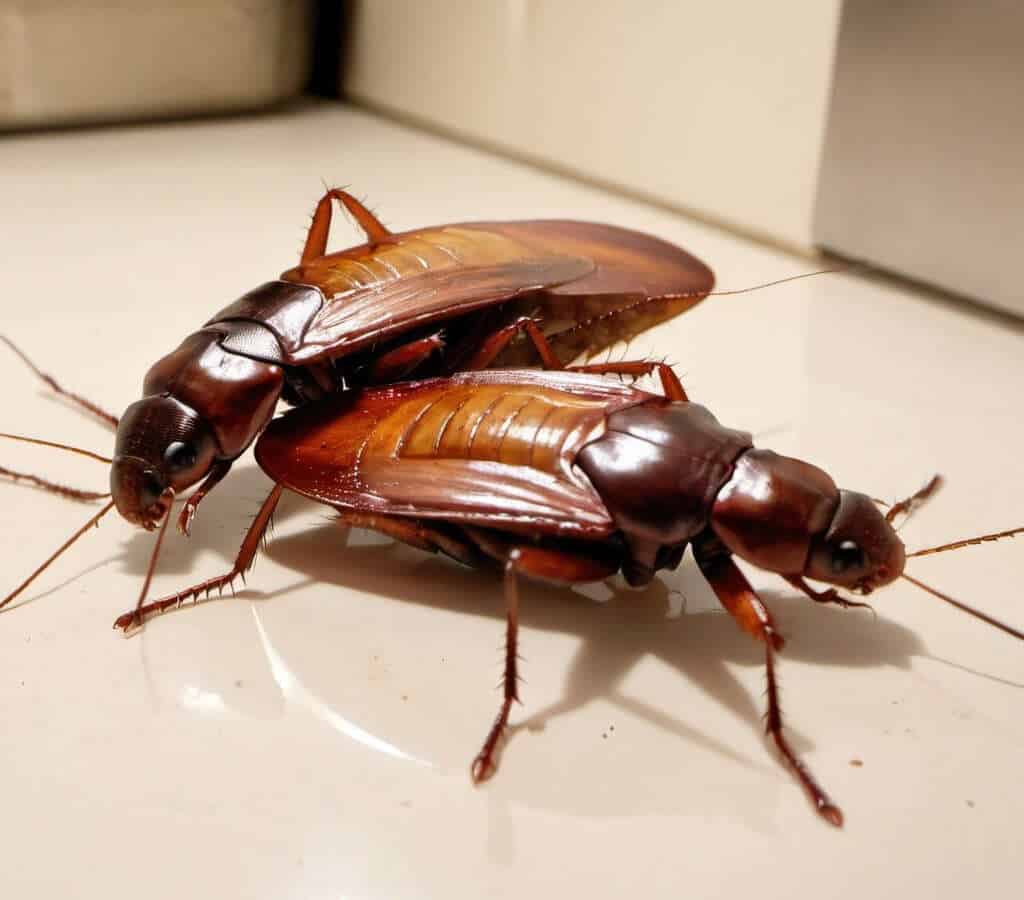

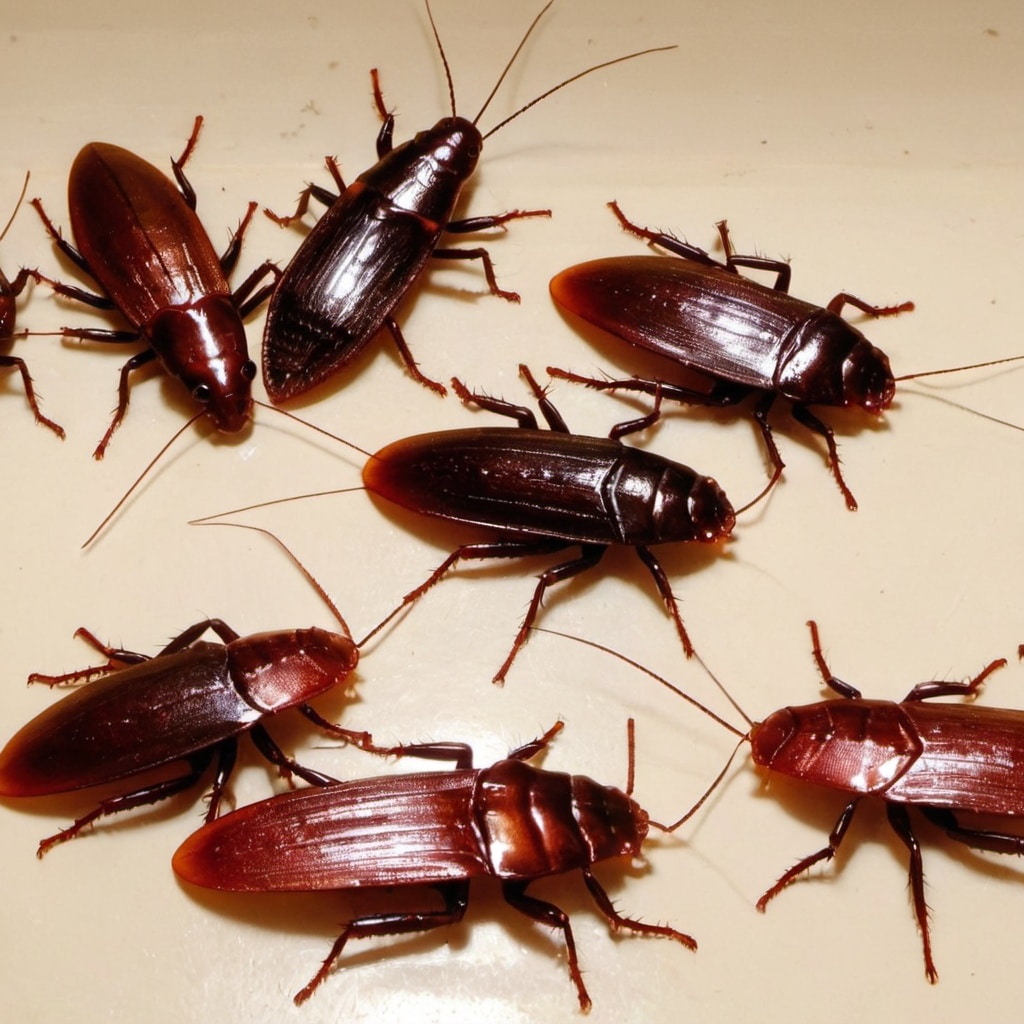

Cockroaches are among the most persistent pests that can move into a home or business. They hide well, reproduce efficiently, and can survive on small amounts of food and moisture. When homeowners begin seeing roaches in kitchens, bathrooms, cabinets, or around appliances, the insects they notice may represent only part of the activity. A Tulsa Exterminator can identify the cockroach species, locate likely harborages, and choose a treatment strategy based on how that particular roach lives and reproduces.
Several cockroach species can become pests around structures, and identification matters. German cockroaches are one of the most important indoor species. They are relatively small and are commonly associated with kitchens, bathrooms, food-service areas, and other warm locations where food and moisture are available. German cockroaches usually live and reproduce indoors, which means an established infestation can continue growing if the harborages are not addressed.
American cockroaches are much larger. They are often associated with sewers, utility areas, basements, crawl spaces, and other warm, damp environments. They may enter structures from outdoors or connected utility systems. Brown-banded cockroaches are another indoor pest and can be found in warmer, drier locations than German cockroaches, including higher areas of rooms, furniture, and around electronics. Knowing which species is present helps narrow down where a technician should inspect.
Cockroaches develop through incomplete metamorphosis. Their life cycle includes the egg, nymph, and adult stages. Instead of laying individual exposed eggs, female cockroaches produce an egg case called an ootheca. The way the ootheca is handled differs by species. A female German cockroach normally carries the egg case until shortly before the young hatch, while other species may deposit or attach egg cases in protected locations.
After hatching, young cockroaches are called nymphs. They resemble smaller versions of adults but do not yet have fully developed adult characteristics. As a nymph grows, it molts repeatedly, shedding its exoskeleton and forming a larger one. After the final molt it becomes an adult. Because an infestation can contain egg cases, several sizes of nymphs, and adults at the same time, killing only the visible adult roaches may leave a large part of the population untouched.
Cockroaches spend much of their time in protected cracks, crevices, voids, and other harborages. German cockroaches often gather close to food, warmth, and moisture. The spaces around refrigerators, stoves, dishwashers, sinks, cabinets, plumbing penetrations, and other equipment can provide favorable conditions. As populations increase, cockroaches may spread into additional areas.
Cockroach control therefore begins with inspection. A Tulsa Exterminator may look for live insects, egg cases, shed skins, droppings, spotting, and the locations where roaches disappear when disturbed. Sticky monitoring traps can help identify areas of activity and provide information about whether the population is changing after treatment. Monitoring is useful because cockroaches are often most active when people are not watching.
Baits are an important tool for many indoor cockroach infestations. Gel or bait-station products can place an insecticide in areas where roaches forage while reducing the need for broad applications to exposed surfaces. Correct placement matters. Bait placed far from harborages may be less effective than small placements close to the places where cockroaches are living and feeding.
Other professional tools can include appropriately labeled residual insecticides, insect growth regulators, dusts in suitable voids, vacuuming, and targeted crack-and-crevice treatments. An insect growth regulator can interfere with normal development or reproduction, depending on the active ingredient and label. The exact combination should be selected for the infestation rather than assuming every cockroach problem needs the same treatment.
Sanitation is also part of control, but a cockroach infestation does not automatically mean a home is dirty. Roaches can be introduced in boxes, bags, appliances, furniture, groceries, or other items. Once established, however, accessible food and water can make the infestation easier to maintain. Cleaning grease and crumbs, storing food properly, managing trash, repairing leaks, and reducing clutter can remove resources and improve the effectiveness of professional treatment.
Cockroaches are more than a nuisance. Their body parts, shed skins, and droppings contain allergens that can contribute to allergic reactions and asthma in sensitive people. They can also mechanically carry microorganisms after contacting contaminated materials. For these reasons, controlling an established indoor cockroach infestation is an important sanitation issue.
Oklahoma State University Extension recommends an integrated approach to household cockroach control that combines sanitation, exclusion, monitoring, baits, and other targeted methods. The U.S. Environmental Protection Agency likewise describes Integrated Pest Management as using pest biology, monitoring, prevention, and appropriate control methods together instead of depending on a single tactic.
If you are seeing cockroaches during the day, finding different sizes of roaches, discovering egg cases or droppings, or continuing to see activity after using store-bought products, a professional inspection may be warranted. TermMax Pest Control can identify the species, locate the areas supporting the infestation, and develop a treatment program around the conditions in the property. If you need a Tulsa Exterminator for cockroaches, contact TermMax Pest Control today and let us help you get the infestation under control.