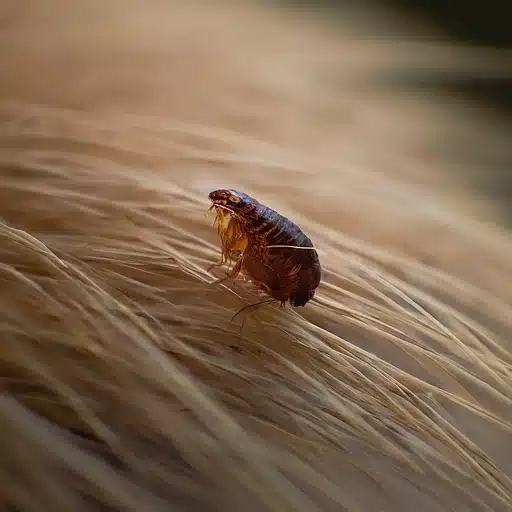



Fleas and Their Food Sources: An In-Depth Look with Broken Arrow Pest Control
Fleas are tiny, blood-sucking parasites that pose significant challenges to homeowners and pet owners alike. Understanding what fleas feed on and how to control their populations is crucial in maintaining a pest-free environment. At the heart of effective flea management is knowledge—particularly about their preferred food sources and the role that pet and environmental factors play. This article explores fleas’ dietary habits, their interaction with their hosts, and how Broken Arrow Pest Control can help you keep these unwelcome guests at bay.
What Do Fleas Eat?
Fleas are obligate hematophages, meaning they require blood to survive and reproduce. Their primary food source is the blood of warm-blooded hosts, such as dogs, cats, humans, and other mammals. Once they latch onto a host, fleas will feed multiple times throughout their life cycle, especially during the adult stage, which is responsible for causing discomfort and potential disease transmission.
Fleas are particularly attracted to areas where their hosts frequent—such as pet bedding, carpets, furniture, and cracks in floors. The blood they consume provides the necessary nutrients for reproduction; female fleas, in particular, need regular blood meals to produce eggs. This feeding behavior explains why infestations often escalate in homes with multiple pets or unaddressed outdoor animals.
Flea Life Cycle and Food Dependence
Understanding the flea life cycle—comprising egg, larva, pupa, and adult stages—is essential in managing infestations. While the adult flea feeds on blood, the earlier stages (egg and larva) do not feed on blood directly. Instead, flea eggs are laid in the environment, such as pet bedding or carpets, where larvae feed on organic debris, including adult flea feces, which contain dried blood.
The adult fleas’ reliance on blood makes controlling their food source critical in eradication efforts. Eliminating the blood supply effectively starves the fleas, preventing reproduction and reducing the overall population. This is why treatments targeting adult fleas and their environment are so important.
The Role of Environment and Pets in Flea Food Sources
Pets are the primary hosts and food source for fleas. Regularly bathing and using vet-approved flea preventatives can significantly reduce the risk of infestation. However, environmental management is equally vital. Flea eggs and larvae can survive in carpets, upholstery, and outdoor shaded areas, waiting for a host to arrive.
In addition to pets, humans can inadvertently become a meal source for fleas, especially in heavily infested areas. While humans are not preferred hosts compared to pets, fleas will bite humans if necessary, particularly in environments where their primary hosts are absent.
How Broken Arrow Pest Control Can Help
Controlling fleas involves a multifaceted approach that includes treating pets, cleaning the environment, and sometimes using chemical treatments. This is where professional pest control services like Broken Arrow Pest Control come into play. Their experts understand flea biology and the importance of targeting both the adult fleas and their environmental stages.
Broken Arrow Pest Control offers comprehensive flea treatment plans tailored to your specific needs. Their technicians use safe, effective products that eliminate fleas at all stages of their life cycle. Beyond chemical treatments, they provide guidance on environmental modifications, such as thorough cleaning, vacuuming carpets, washing bedding, and reducing outdoor shaded areas where fleas thrive.
Moreover, partnering with professionals ensures that treatments are applied correctly and safely, especially in homes with children and pets. Regular follow-up treatments may be recommended to prevent re-infestation and to protect your family from flea-borne diseases like typhus or Bartonella.
Additional Resources
For those interested in learning more about flea biology and control strategies, reputable sources include university extension programs such as Cornell University’s College of Veterinary Medicine and Texas A&M AgriLife Extension. These organizations provide valuable insights into pest management and pet health.
Conclusion
Fleas are more than just a nuisance—they can affect your health and your pets’ well-being. Since their primary food source is blood, controlling fleas involves reducing their access to hosts and treating their environment effectively. With the expertise of Broken Arrow Pest Control, you can take proactive steps to eliminate fleas and prevent future infestations. Remember, early intervention and professional assistance are key to maintaining a safe, flea-free home.
If you’re battling a flea problem or want to learn more about pest control solutions, don’t hesitate to contact Broken Arrow Pest Control for expert advice and service. Protect your family, pets, and home from these persistent pests today!