

Handling termites quickly and correctly is critical to protecting your home from costly structural damage. These silent destroyers often work behind walls and beneath floors for months or even years before homeowners notice visible signs. If you suspect termite activity, contacting a professional Broken Arrow Exterminator is the safest and most effective way to address the problem.
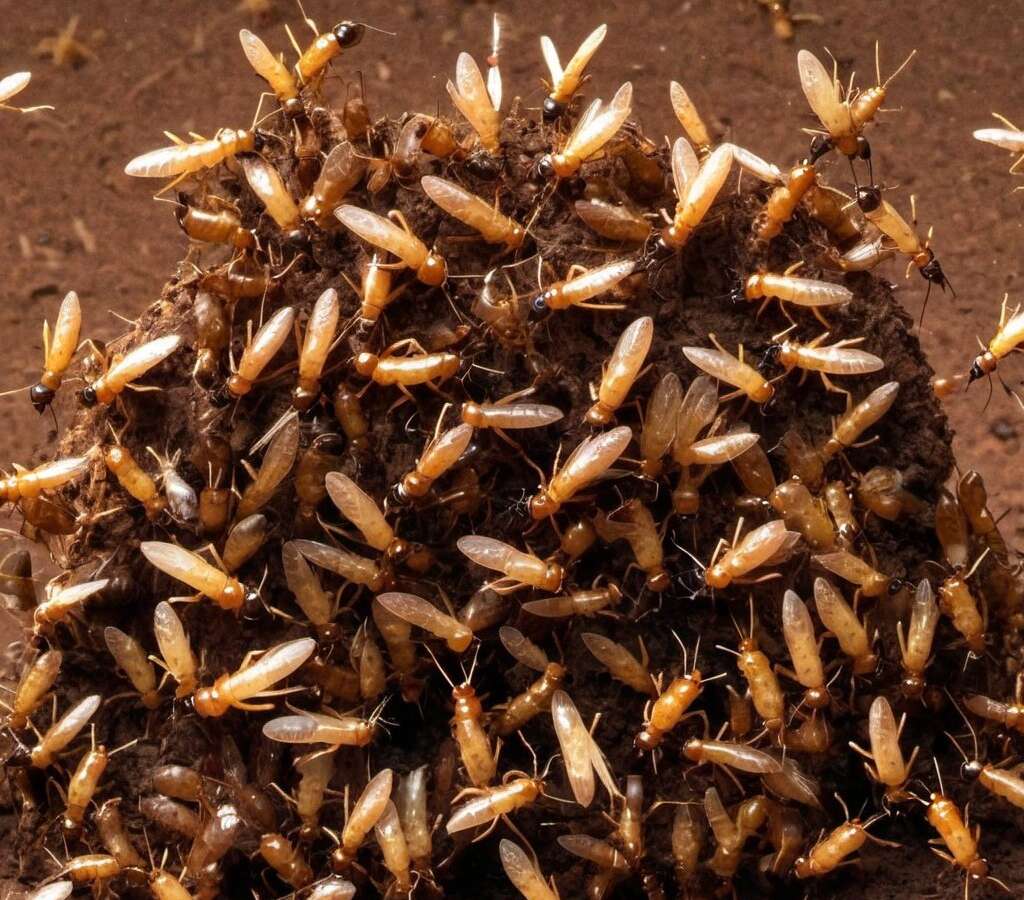
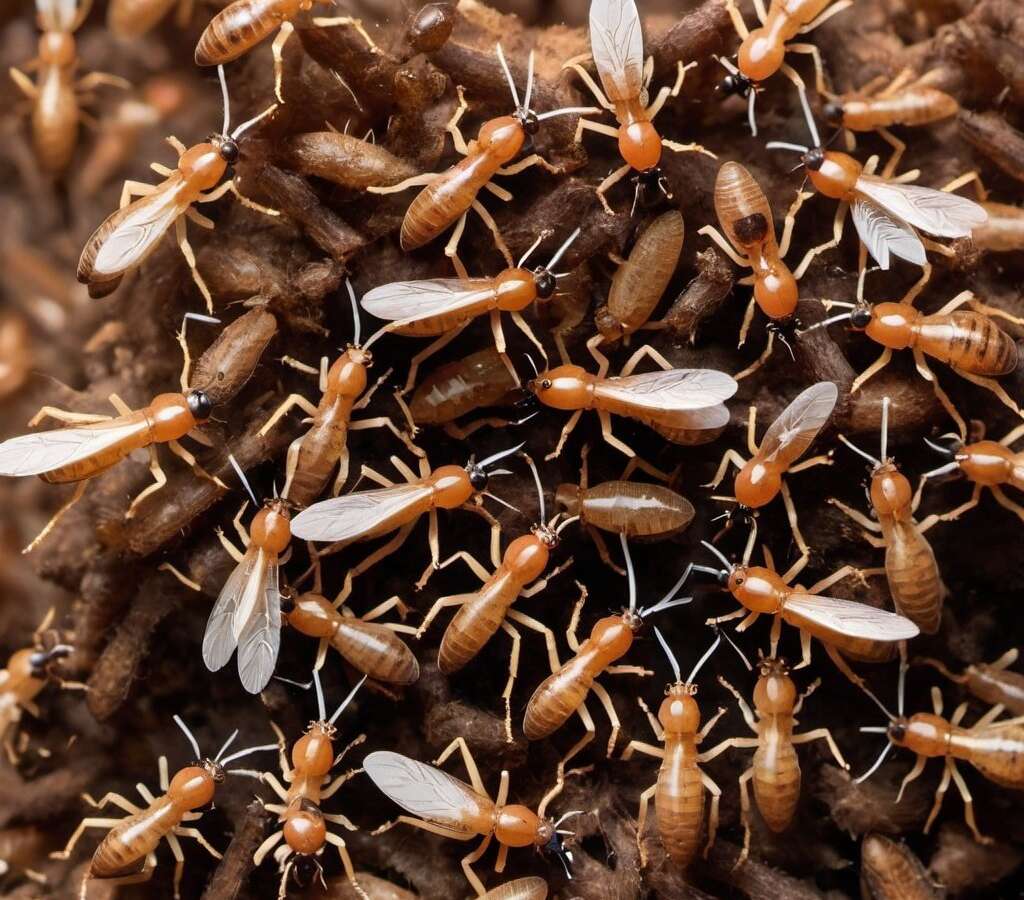
Termites feed on cellulose, which is found in wood, drywall, paper, and other building materials. In Oklahoma, subterranean termites are the most common species. They live in the soil and build mud tubes to travel between their colony and a food source. Because they require moisture to survive, they are often found near foundations, crawl spaces, and areas with plumbing leaks.
According to the U.S. Environmental Protection Agency (EPA), early detection and moisture control are two of the most important steps in termite prevention. Fixing leaks, reducing standing water, and ensuring proper drainage around your home can significantly reduce your risk. You can learn more about termite prevention strategies here:
https://www.epa.gov/safepestcontrol/termites
The U.S. Department of Agriculture (USDA) explains that subterranean termites construct mud tubes to protect themselves from dry air while traveling from the soil to wooden structures. These pencil-sized tubes are often one of the first visible signs of an infestation. More information about termite biology and behavior can be found here:
https://www.ars.usda.gov/oc/br/termites/
If you notice mud tubes, hollow-sounding wood, bubbling paint, or warped flooring, it’s important not to disturb the area. Many homeowners attempt DIY treatments, but improper handling can cause termites to relocate deeper into the structure. A trained Broken Arrow Exterminator can properly inspect your property and determine the extent of the infestation.
Professional termite handling typically begins with a thorough inspection. This includes examining foundations, crawl spaces, attic areas, and any visible wood structures. Once activity is confirmed, treatment options may include:
- Soil-applied termiticides to create a protective barrier
- Installation of termite baiting systems
- Targeted treatments in affected areas
- Ongoing monitoring to prevent reinfestation
Each property is different, so treatment plans are customized based on construction type, infestation severity, and environmental factors.
Handling termites also involves addressing the conditions that attracted them. Moisture problems, wood-to-soil contact, and foundation cracks can all increase vulnerability. A qualified Broken Arrow Exterminator will often recommend corrective actions such as improving drainage, sealing entry points, and repairing leaks to ensure long-term protection.
Prevention plays a major role in termite management. Homeowners can reduce risk by:
- Keeping mulch away from the foundation
- Storing firewood off the ground and away from the home
- Repairing roof and plumbing leaks promptly
- Scheduling annual termite inspections
Even if you don’t see visible signs, termites can remain hidden. Routine inspections from a trusted Broken Arrow Exterminator provide peace of mind and allow early detection before major damage occurs.
For comprehensive termite and pest control services, visit:
https://termmax.net/pest-control-services/
Ongoing maintenance plans can help monitor for termite activity year-round and protect your investment.
To learn more about complete pest protection options, visit:
https://termmax.net/
Handling termites requires more than a quick spray or temporary fix. Because these pests work silently and continuously, professional intervention is essential. Partnering with an experienced Broken Arrow Exterminator ensures thorough inspection, effective treatment, and long-term prevention. If you suspect termite activity, acting quickly can prevent costly repairs and safeguard your home for years to come.