

Bed bugs can spread through a home before anyone realizes they are there. These small insects are excellent at hiding, and their eggs and young can be difficult to spot. When people discover an infestation, they often want to know two things: how did the insects get inside, and what will it take to remove them? Understanding how bed bugs travel and how treatment works can help you make better decisions. A Tulsa Pest Control company can evaluate the infestation and develop a plan for your property.
Bed bugs do not fly or jump. They crawl, and they often travel from one place to another by hiding in personal belongings. Suitcases, backpacks, clothing, bedding, and furniture can carry insects into a new home. A bed bug may hide in a seam or crevice during travel and emerge later when it has access to people.
Used mattresses and upholstered furniture deserve special attention, but brand-new-looking items are not automatically safe if they have been stored near infested belongings. In multiunit buildings, bed bugs may also move between nearby apartments through cracks, shared spaces, or the movement of possessions. This is why treating only the most obvious room is not always enough.
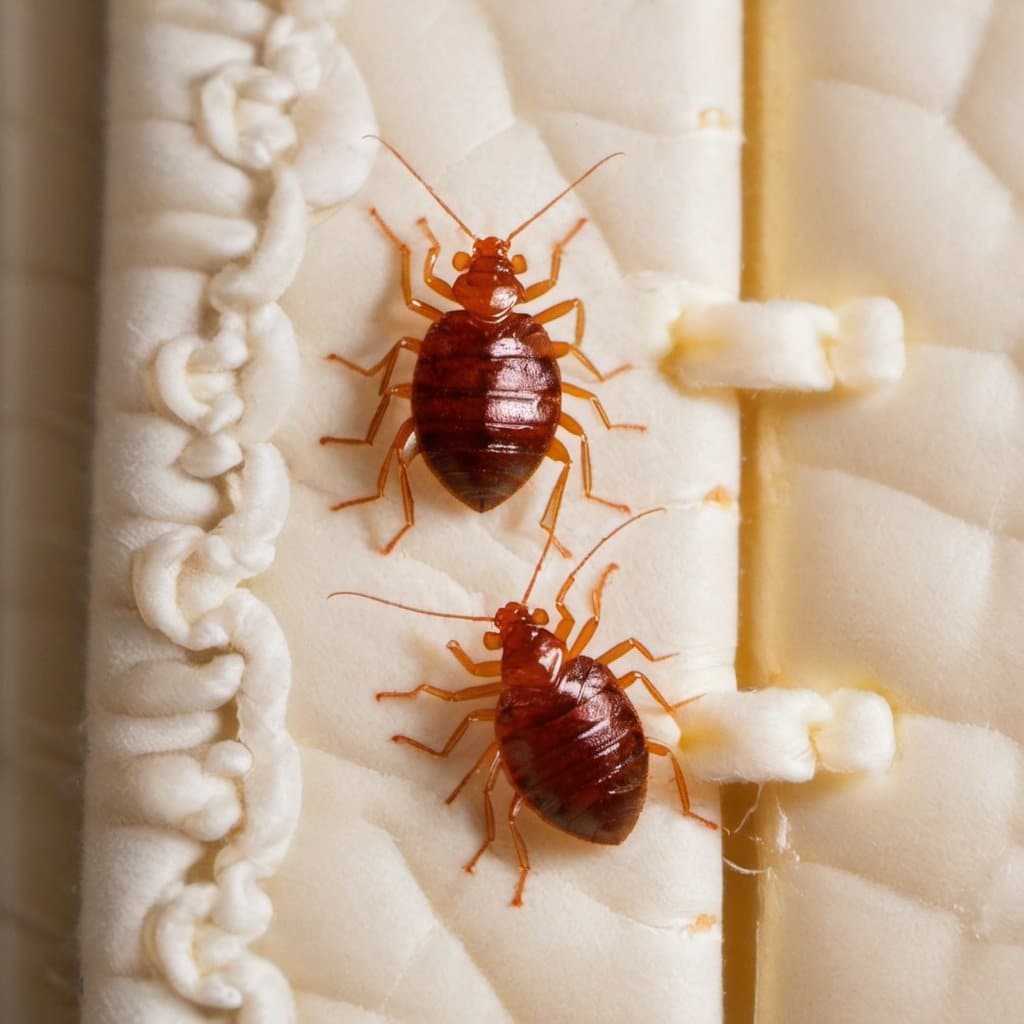
Adult bed bugs hide in very narrow gaps, and younger stages are even smaller. They can shelter in bed frames, behind headboards, under furniture edges, and around nearby cracks. Eggs are tiny and may be tucked into places that are difficult to inspect or treat.
Bed bugs also do not have to feed every day. Depending on their life stage and environmental conditions, they may survive for extended periods between meals. A room that appears quiet for a few days is not necessarily free of bed bugs. Successful control requires attention to hiding places, different life stages, and follow-up monitoring rather than relying on a single quick spray.
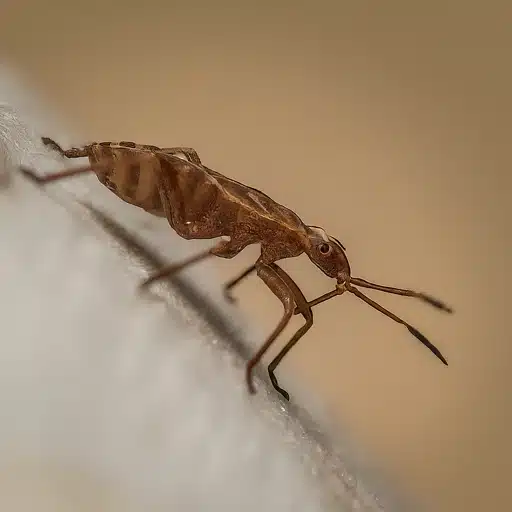
Before any treatment, confirm that the insects are bed bugs. Other insects can resemble them, and itchy bites alone do not prove an infestation. A professional inspection focuses on places where people sleep and rest, then expands to nearby furniture and other likely hiding areas as needed.
The inspector may look for live insects, shed skins, eggs, and dark fecal spotting. They will also consider how belongings move through the home and whether adjacent rooms could be affected. The findings help determine the treatment approach and the amount of preparation required.
Professional bed bug control can combine several methods. Targeted insecticide applications may be used in appropriate cracks, crevices, and other labeled locations. The exact products and placement depend on the site and the product label. Some bed bug populations have resistance to certain insecticides, so product selection and application technique matter.
Heat is another useful tool. Professional whole-room or structural heat treatments raise temperatures in treated spaces under controlled conditions, while steam can treat selected surfaces and seams when used correctly. Heat must reach the insects and their eggs, including those hidden inside materials. Improperly applied heat can leave cool areas where bed bugs survive, and trying to heat a home with ordinary heaters can be dangerous.
Vacuuming can remove visible insects and some debris, although it will not reach every hiding place. Mattress and box-spring encasements can help isolate remaining insects and make inspection easier when the encasements are designed for bed bug control. Interceptor devices placed under bed legs can help monitor activity. These tools are most effective as parts of a broader plan.
Bed bug eggs may hatch after an initial visit, and insects hidden in untreated areas may emerge later. For that reason, some infestations require multiple service visits. The schedule depends on the treatment method, products used, infestation severity, and label requirements. A responsible Tulsa Pest Control provider should explain what will happen during treatment and how progress will be evaluated.
It is important not to assume that one or two nights without bites means the infestation has disappeared. Some people have no visible reaction to bed bug bites, and others react days later. Inspections and monitoring provide more useful evidence than bite counts alone.
Follow the preparation instructions provided by your pest control company. You may be asked to reduce clutter, make certain areas accessible, or handle laundry in a particular way. Clothing and bedding that can safely go through a clothes dryer may be treated with an appropriate high-heat drying cycle, following fabric-care instructions.
Keep cleaned items in sealed bags or containers until the professional tells you they can be returned. Avoid carrying untreated belongings from an infested room into other rooms. Throwing away furniture is not always necessary, and moving it carelessly can spread bed bugs to hallways or neighboring properties.
Do not spray random household chemicals on beds or mix pesticides in an attempt to speed up treatment. Never use outdoor pesticides indoors unless their labels explicitly allow it. Foggers alone generally do not reach bed bugs in protected hiding places. Safety and careful coordination are more important than applying more product.
After treatment, continue checking likely hiding places and monitoring devices according to the service plan. Inspect secondhand furniture before bringing it indoors. When traveling, keep luggage away from beds and upholstered furniture where practical, and inspect bags before unpacking at home.
There is no guaranteed way to prevent every bed bug introduction, but early detection can limit how far an infestation spreads. Prompt reporting is especially useful in apartments and other shared buildings, where neighboring units may need evaluation.
If you suspect bed bugs in your house or rental property, contact TermMax Pest Control. We can discuss your concerns, inspect for evidence, and explain treatment options suited to the situation. Bed bugs are persistent, but a coordinated plan gives you a better chance of getting the problem under control. For dependable Tulsa Pest Control, call TermMax today and ask about a bed bug inspection.