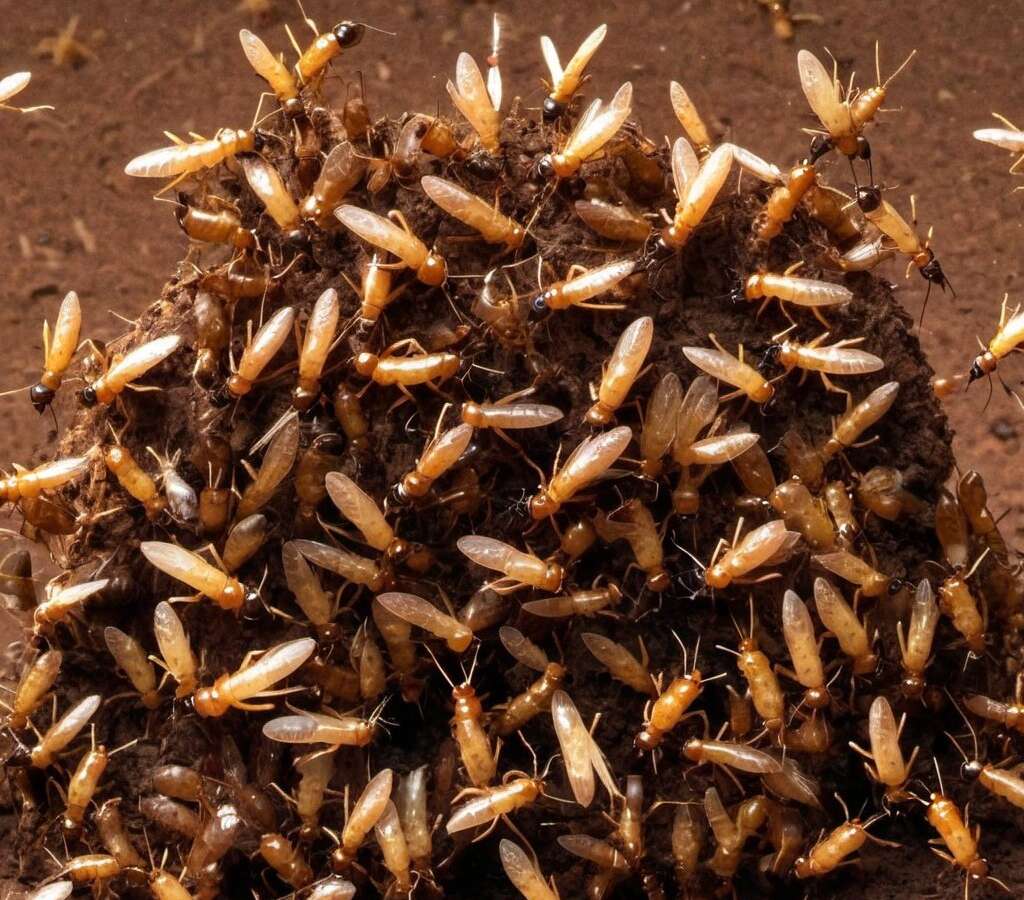

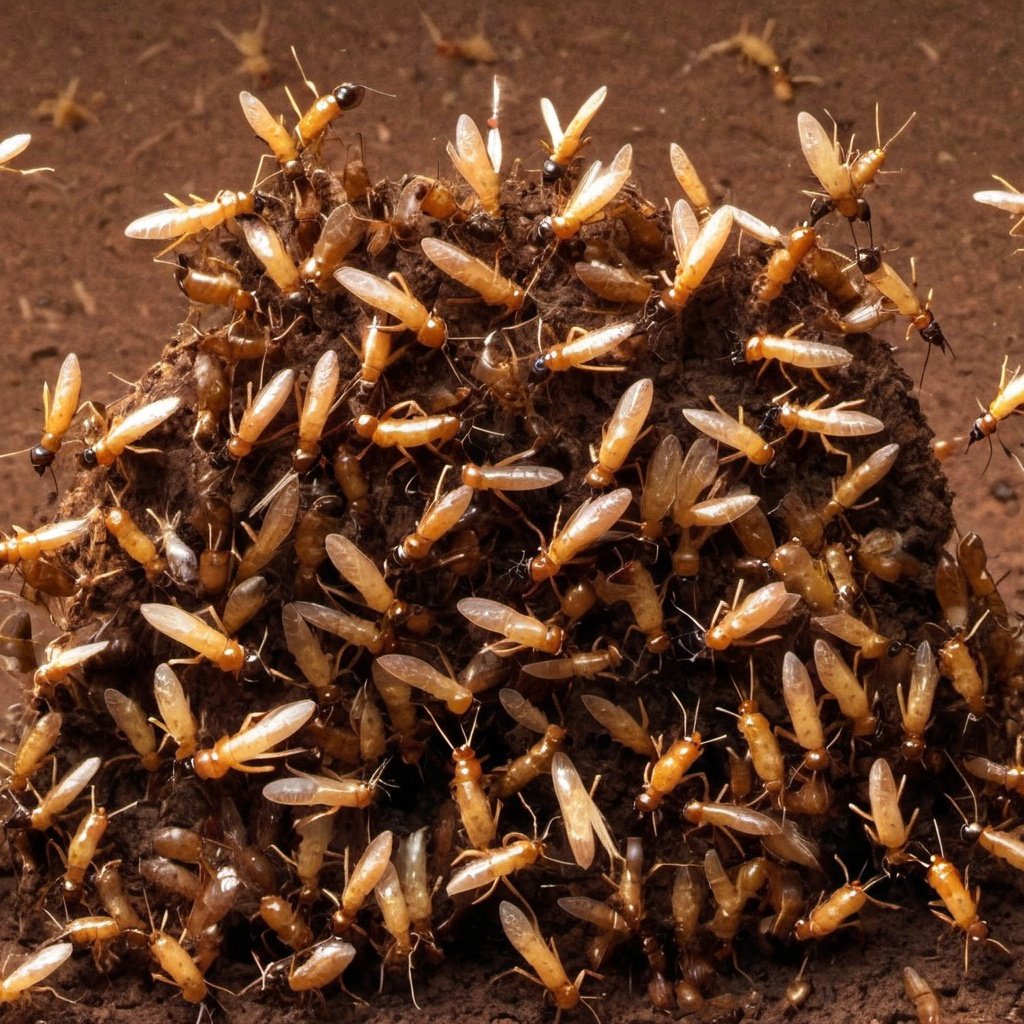

Termites are a big problem in Oklahoma. Eastern subterranean termites are among the termites Oklahoma homeowners commonly encounter. In nature, termites help break down dead wood and other cellulose-containing plant material. Unfortunately, the same feeding behavior can become destructive when termites reach the wooden structural components of a home. If you think you’re having a problem with termites, it’s important to call a Broken Arrow Pest Control company that can inspect the property and determine what is happening.
Termites are able to use cellulose as a food source because of a complex relationship with microorganisms in their digestive system. Rather than relying on a single enzyme, subterranean termites depend on both their own digestive enzymes and symbiotic gut microbes to help break down cellulose and other components of wood. Oklahoma State University Extension provides information about termite biology, identification, prevention, and control.
Termites develop through incomplete metamorphosis. Young termites hatch from eggs and pass through immature stages, molting as they develop. Their colony biology is unusual because termites exchange food and gut microorganisms with other colony members through a process called trophallaxis. This exchange can help establish or restore the gut community needed for digestion, particularly after molting.
Homeowners may find do-it-yourself termite products at hardware stores, but termite control is different from treating many common household insects. Subterranean colonies can remain concealed in soil and structural areas, so successful treatment depends on identifying the termite, locating conditions that allow access to the structure, and applying an appropriate control method. Professional termite services may also include warranties or ongoing protection plans, depending on the company and treatment agreement.
Two major approaches used for subterranean termite control are liquid soil treatments and termite baiting systems. With a liquid treatment, a labeled termiticide is applied to soil at appropriate locations around or beneath a structure. Depending on the construction, this can involve trenching, rodding, drilling, or other label-directed application methods. The goal is to establish treated zones that termites encounter as they travel between the soil and the structure. Some nonrepellent termiticides can be transferred among termites, but the exact effect depends on the active ingredient and product label.
Termite baiting systems use stations placed in the soil around a structure. When termites find and feed on the bait, they can share the active ingredient with other colony members. Many termite baits use slow-acting insect growth regulators that interfere with molting, allowing the effect to spread through the colony over time. The U.S. Environmental Protection Agency describes liquid soil-applied termiticides, termite baits, and other termite-control approaches.
There is no single treatment method that is best for every property. Construction type, termite activity, soil conditions, moisture, access points, and the product being used can all affect the treatment plan. A qualified Broken Arrow Pest Control company can inspect the home and recommend an approach suited to the property.
If you think you’re having problems with termites, TermMax Pest Control can help identify the issue and explain the available treatment and prevention options. Contact us today to discuss a solution designed to protect your home and give you greater peace of mind.