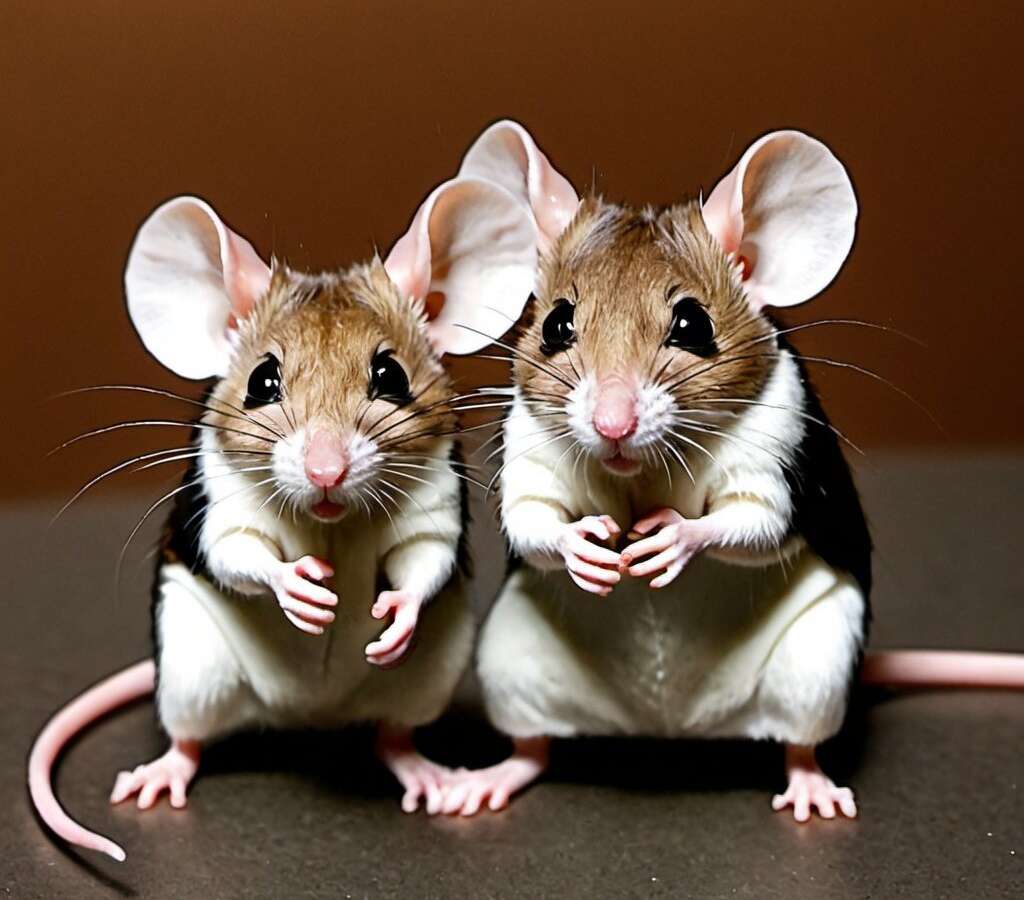

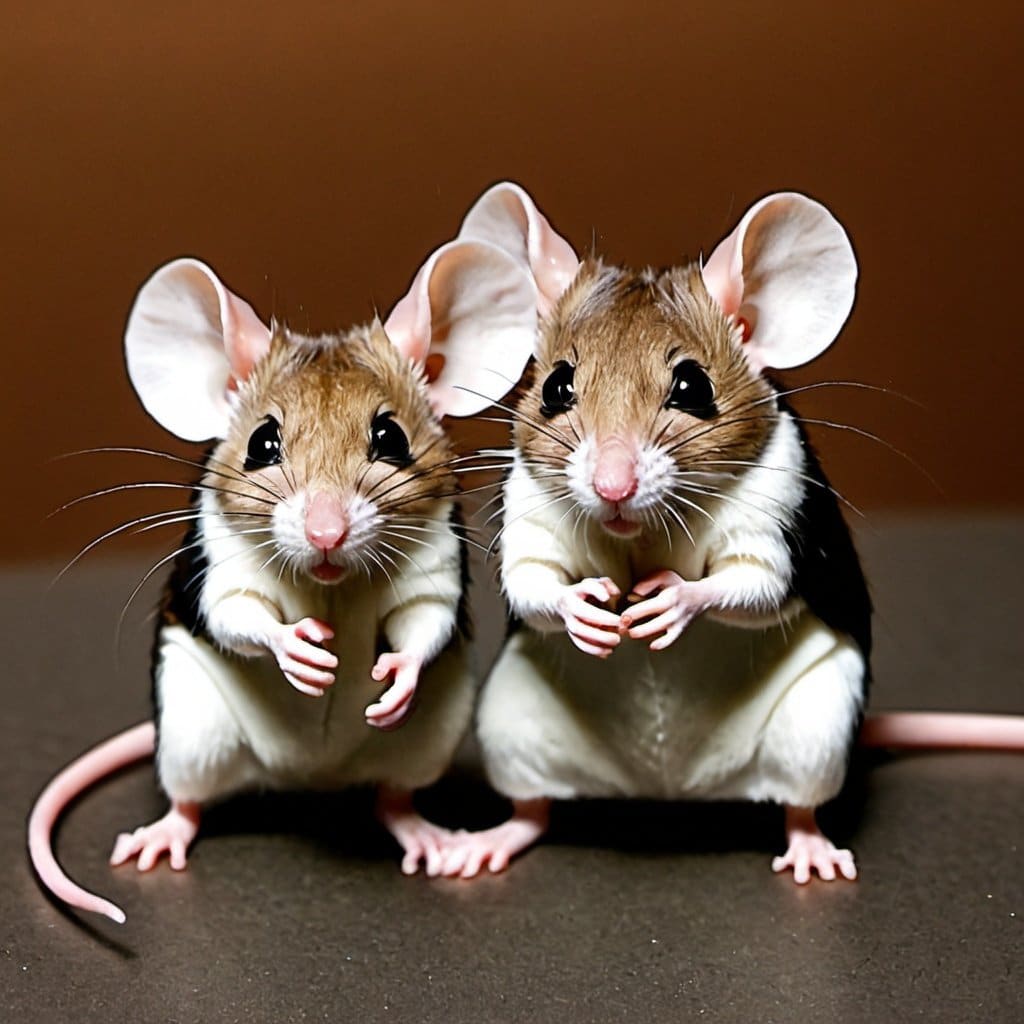

Understanding Norway Rats: A Closer Look with Broken Arrow Pest Control
When it comes to urban pests, few creatures evoke as much concern as the Norway rat. Known scientifically as Rattus norvegicus, these rodents have a long history of cohabiting with humans, often leading to significant health and property risks. At Broken Arrow Pest Control, we understand the importance of effective pest management strategies to keep these unwelcome visitors at bay.
The Basics of Norway Rats
Norway rats are medium to large-sized rodents, typically measuring about 16 to 20 inches in length, including their tails. They are characterized by their stocky build, brown or gray fur, and blunt noses. Unlike their more agile cousin, the roof rat, Norway rats prefer to stay close to the ground and are excellent burrowers, often creating extensive underground tunnel systems.
These rats are highly adaptable and thrive in various environments, from urban neighborhoods and farms to sewers and subway tunnels. Their ability to survive in diverse conditions makes them particularly challenging to control once they establish themselves in an area.
Why Are Norway Rats a Concern?
The presence of Norway rats can lead to numerous issues for homeowners and businesses alike. They are known carriers of a variety of diseases such as leptospirosis, hantavirus, and salmonella, which can be transmitted through their urine, droppings, or bites. Their gnawing behavior can also cause structural damage by chewing through electrical wiring, plumbing, and insulation, increasing the risk of fires and water damage.
Moreover, Norway rats can contaminate food supplies, leading to economic losses and health hazards. Their feces and urine can also exacerbate allergies and asthma in sensitive individuals. Due to these risks, it’s critical to implement effective control measures as soon as an infestation is detected.
Signs of an Infestation
Detecting Norway rats early is key to managing their population. Common signs include:
- Droppings about ½ inch long, often found near food sources or nesting sites.
- Gnaw marks on furniture, wires, or pipes.
- Burrows in yards, under sheds, or along foundations.
- Noises such as scurrying or scratching, especially at night.
- Unusual odors from urine or nesting materials.
Control and Prevention Strategies
At Broken Arrow Pest Control, we emphasize a comprehensive approach to rat control. This includes:
- Inspection: Identifying entry points and nesting areas.
- Exclusion: Sealing cracks, holes, and gaps in walls, foundations, and around utility lines to prevent entry.
- Trapping: Using humane traps or snap traps placed strategically.
- Baiting: Carefully monitored bait stations to eliminate active populations.
- Sanitation: Removing food sources, clutter, and debris that attract rats.
Prevention is always more effective than reactive measures. Regular maintenance, proper waste management, and vigilant monitoring can significantly reduce the likelihood of a rat infestation.
Additional Resources
For those interested in learning more about rodent behavior and control methods, reputable sources such as University of Florida’s IFAS Extension provide valuable insights into pest management. Similarly, the University of California’s Agriculture and Natural Resources website offers comprehensive guides on integrated pest management strategies.
Conclusion
Norway rats pose serious health and property risks, but with prompt action and effective control measures, they can be kept in check. Broken Arrow Pest Control specializes in safe, efficient pest management solutions tailored to your specific needs. If you suspect a rat problem, don’t wait—reach out to professionals who understand how to protect your home and health effectively.
Remember, early detection and a proactive approach are your best defenses against Norway rat infestations. Contact Broken Arrow Pest Control today for a consultation and take the first step toward a pest-free environment.