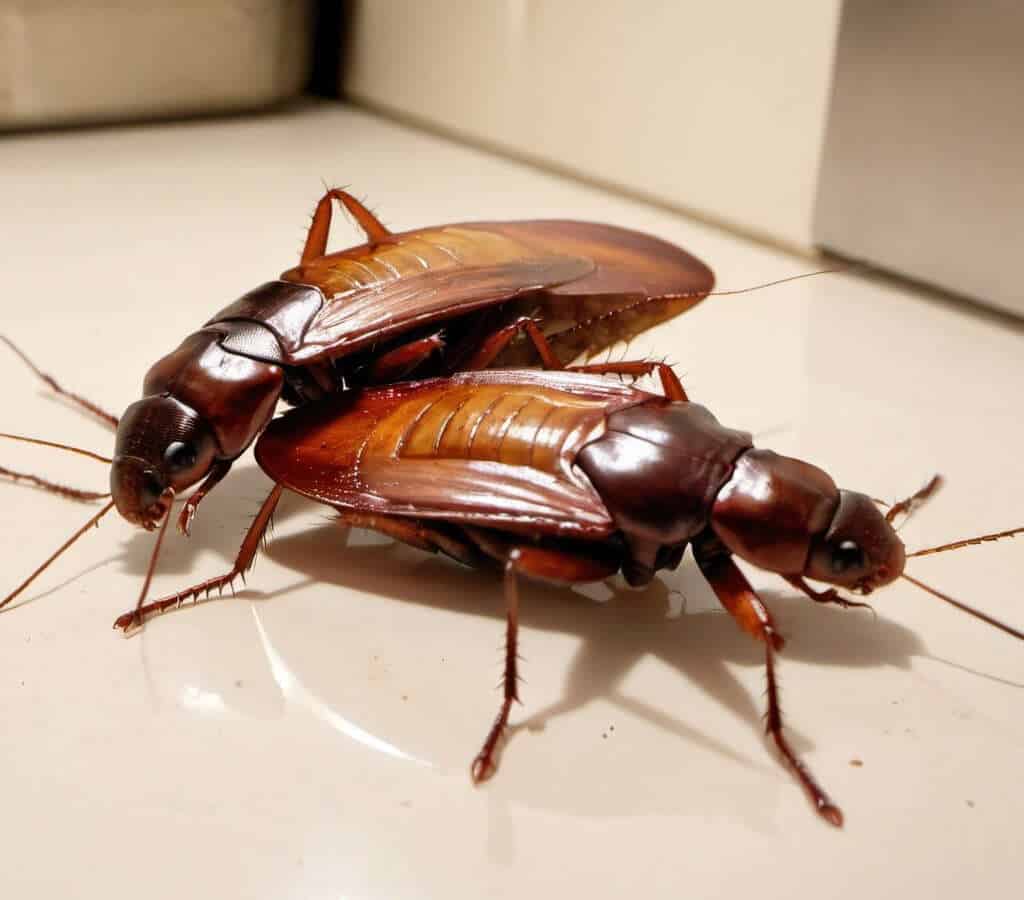

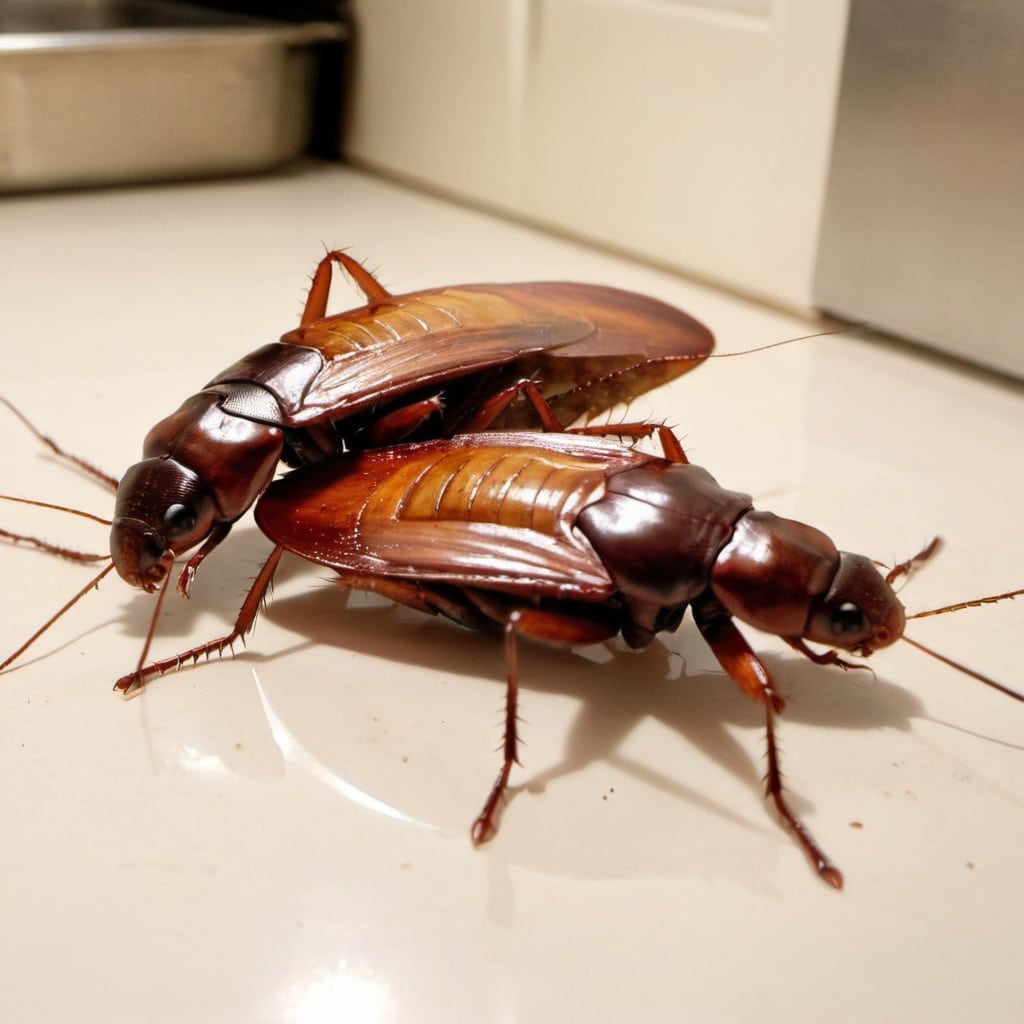

Seeing a cockroach in your home can be alarming, but successful control starts by understanding how roaches got there and what is allowing them to stay. Cockroaches need food, water, shelter, and favorable temperatures. A home can provide all four, especially around kitchens, bathrooms, utility rooms, appliances, plumbing, and stored materials. A Tulsa Pest Control company can inspect those conditions and develop a plan that combines treatment with practical prevention.
Cockroaches can enter a property in several ways. Some species may move indoors from outdoor harborages, sewer systems, utility areas, or neighboring spaces. German cockroaches are frequently transported from one location to another in cardboard boxes, bags, used appliances, furniture, food shipments, and other belongings. In apartments and connected buildings, cockroaches may also move between units through wall voids, plumbing penetrations, and other openings.
That is why prevention starts before an insect is ever seen. Inspect used appliances and furniture before bringing them inside. Break down and remove unnecessary cardboard when practical. Store food in closed containers and clean spills promptly. Pet food should not remain available unnecessarily overnight when a cockroach problem is present. Trash and recycling areas should be managed so food residue does not become a dependable resource.
Water is equally important. Cockroaches can use small amounts of moisture from leaking pipes, condensation, wet sponges, drains, pet bowls, or damp areas around sinks and appliances. Repairing leaks and correcting persistent moisture can make the environment less favorable. These changes do not replace treatment when an infestation is established, but they can support the treatment and reduce the resources roaches need.
Harborage is the third major piece. Cockroaches prefer protected spaces where their bodies can contact surfaces around them. Cracks, cabinet joints, gaps behind appliances, wall voids, clutter, and stacked materials can all provide hiding places. Reducing clutter and sealing appropriate gaps after inspection can remove some of these protected areas and make monitoring and treatment easier.
A Tulsa Pest Control inspection should look beyond the roach that happened to run across the floor. The technician may inspect behind and beneath refrigerators, stoves, dishwashers, cabinets, sinks, plumbing lines, and other likely harborages. Sticky monitors can help reveal where activity is concentrated. Droppings, shed skins, egg cases, and spotting can also provide clues about the size and location of the infestation.
Treatment depends on the species and conditions. German cockroaches, for example, usually require an indoor program aimed at their harborages. Baits are commonly used because roaches can feed on small placements positioned close to their hiding areas. A technician may also use insect growth regulators, labeled residual products, dusts, vacuuming, or other targeted methods. The goal is to use the right tools in the right places rather than simply spraying every visible surface.
Homeowners sometimes rely heavily on aerosol sprays or total-release foggers because they want a quick knockdown. Those products may kill exposed insects, but they can miss roaches protected deep inside cracks and voids. Some applications can also interfere with bait programs. The U.S. Environmental Protection Agency emphasizes integrated pest management approaches that reduce pest-supporting conditions while using targeted controls, and pesticides should always be used according to their labels.
Follow-up can be important for established cockroach infestations. Egg cases and hidden nymphs may be present when the first treatment occurs, and not every insect will necessarily contact a control product immediately. Monitoring after treatment helps determine whether activity is decreasing and whether bait placements, sanitation recommendations, or other parts of the program need to be adjusted.
It is also important to identify the species correctly. A large American cockroach entering from a utility area is a different problem from a reproducing German cockroach population behind kitchen appliances. Brown-banded cockroaches may occupy higher and drier locations than German cockroaches. Treating all three situations exactly the same can waste time and miss the source of the problem.
Cockroach prevention is especially important in kitchens because food and water are concentrated there. Clean beneath appliances when possible, wipe grease and food residue from cooking areas, keep pantry goods protected, and avoid allowing trash to accumulate. In bathrooms and utility areas, address leaks and moisture. Around the exterior, seal appropriate openings and pay attention to utility penetrations and other routes that pests can use.
Cockroaches can also affect indoor health. Their droppings, shed skins, and body fragments contain allergens that can aggravate asthma and allergies in susceptible individuals. Cockroaches can mechanically move microorganisms from contaminated areas to other surfaces as they travel. Eliminating indoor infestations therefore improves more than appearance; it is part of maintaining a sanitary living environment.
Oklahoma State University Extension recommends combining sanitation, exclusion, monitoring, and targeted cockroach treatments rather than relying on one control method. This fits the principles of Integrated Pest Management: identify the pest, understand why it is present, reduce the resources supporting it, monitor activity, and use appropriate control tools where needed.
If you are finding cockroaches repeatedly, seeing small nymphs, noticing droppings or egg cases, or seeing roaches during daylight hours, it is time to take the problem seriously. TermMax Pest Control can inspect your home, identify the species, locate likely harborages, and recommend an appropriate treatment plan. When you need Tulsa Pest Control for a cockroach infestation, contact TermMax Pest Control today and let us help you get your home back under control.