

Understanding Roach Anatomy: Insights from a Broken Arrow Exterminator
When it comes to pest control, particularly roaches, understanding their anatomy can be a game-changer. Roaches are among the most resilient pests, capable of surviving in a variety of environments, which makes them a common nuisance in homes and businesses alike. For those battling these unwelcome guests, partnering with a professional like a Broken Arrow Exterminator can make all the difference. But before seeking expert help, it’s useful to understand what makes roaches so hardy—starting with their unique anatomy.
The Basic Structure of a Roach
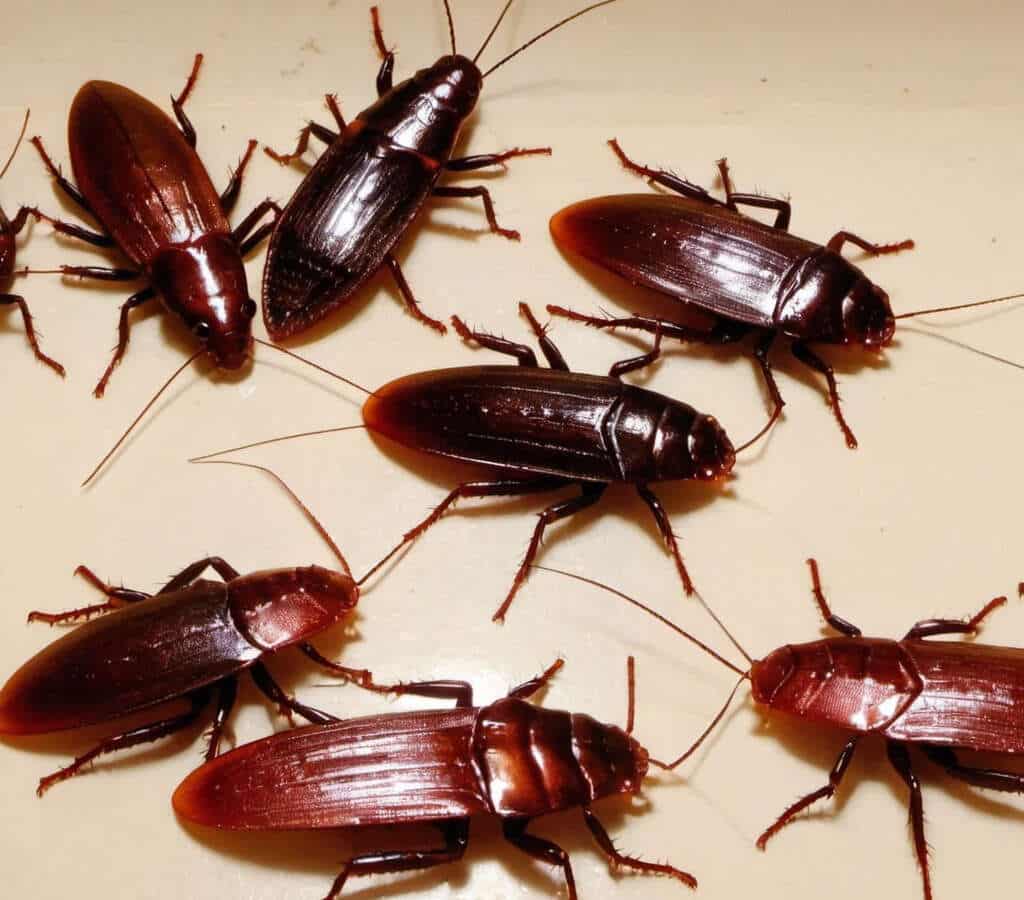
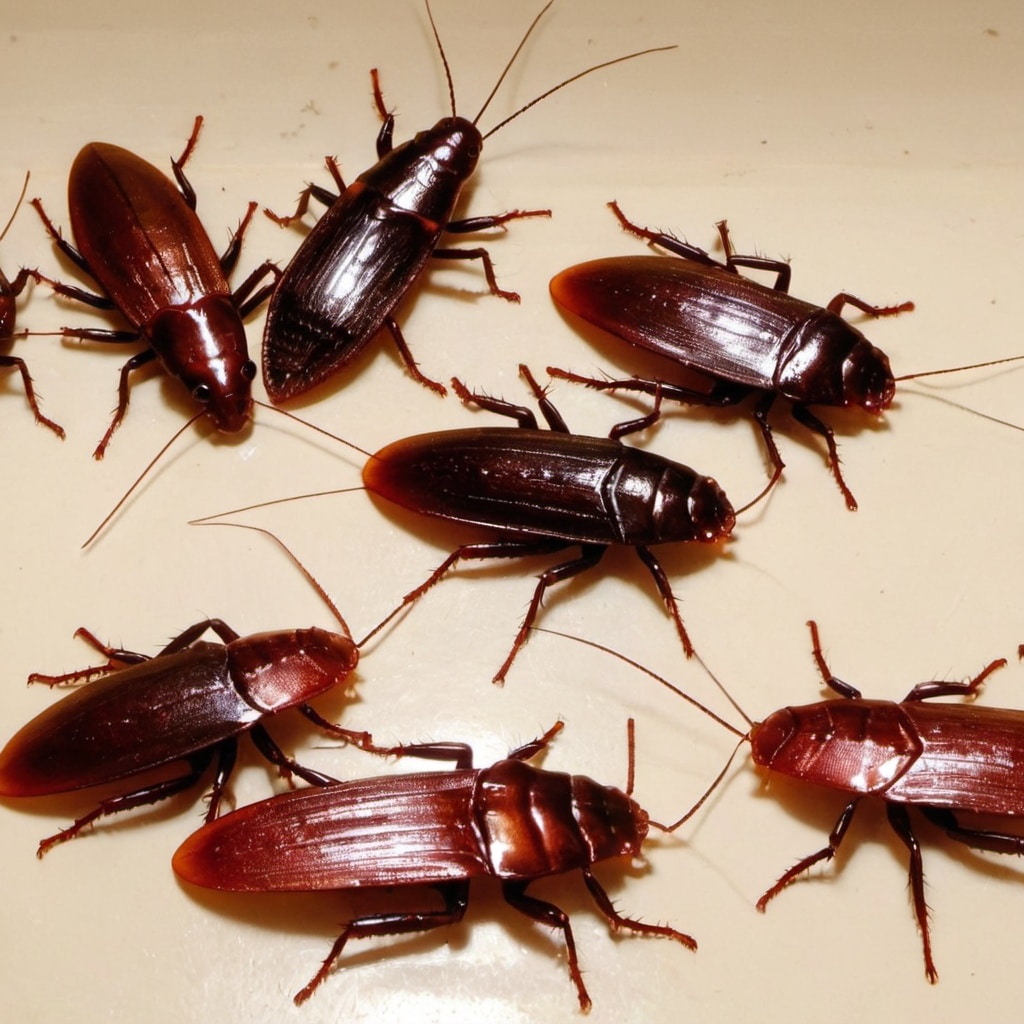
Roaches belong to the order Blattodea and are characterized by their flat, oval-shaped bodies, which allow them to squeeze into tiny crevices. Their bodies are divided into three main parts: the head, thorax, and abdomen. Each part plays a vital role in their survival and adaptability.
The Head
The roach’s head is relatively small compared to its body, but it’s packed with important features. It houses compound eyes—large, multi-faceted eyes that provide a broad field of vision and detect movement efficiently. Interestingly, roaches also have simple eyes called ocelli, which help sense light intensity. Their antennae are highly sensitive and serve as primary sensory organs, exploring their environment and detecting food, water, and danger. The mouthparts are adapted for chewing, enabling them to consume a variety of organic material.
The Thorax
The thorax is the middle segment of a roach’s body and is divided into three parts: prothorax, mesothorax, and metathorax. Each segment bears a pair of legs, which are robust and adapted for running—a key survival trait. Roaches are swift and can quickly scurry away when disturbed. The thorax also supports two pairs of wings in many adult species. The forewings, called tegmina, are leathery and serve as protection, while the hindwings are membranous and used for flying, although many roaches prefer to crawl.
The Abdomen
The abdomen is the largest part of the roach’s body and contains vital internal organs. It houses the digestive system, reproductive organs, and spiracles—small openings responsible for respiration. The abdomen is flexible, allowing for expansion when consuming food and during molting. The reproductive organs are located here, with females capable of producing numerous oothecae (egg cases), each containing multiple eggs.
The Exoskeleton and Adaptations
Like all insects, roaches have an exoskeleton made of chitin, providing protection and structural support. This exoskeleton also allows them to survive physical injuries and desiccation to some extent. Their ability to molt—shedding their exoskeleton to grow—is crucial for development and reproduction.
Why Is Understanding Roach Anatomy Important?
Knowing the intricacies of roach anatomy helps in understanding their resilience and how they evade eradication efforts. For example, their tough exoskeleton and rapid reproductive cycle make them difficult to eliminate. This is where a professional like a Broken Arrow Exterminator comes into play—using specialized knowledge and techniques to effectively manage infestations.
Partnering with a Broken Arrow Exterminator
A Broken Arrow Exterminator understands the biology and behavior of roaches, enabling targeted treatments that address the root of the problem. Whether it involves baiting, trapping, or residual sprays, their expertise ensures long-term control. If you’re dealing with a roach issue, don’t hesitate to reach out to local professionals who understand the complexities of roach anatomy and behavior.
Additional Resources
For those interested in learning more about insect anatomy and pest management, reputable sources like Cornell University’s Department of Entomology provide comprehensive information on insect biology. Similarly, University of California’s Division of Agriculture and Natural Resources offers guides on pest identification and control strategies.
In conclusion, understanding the anatomy of a roach—from its tiny antennae to its flexible abdomen—provides valuable insights into its resilience and habits. When combined with the expertise of a Broken Arrow Exterminator, this knowledge becomes a powerful tool in effectively managing and eliminating roach infestations. If pests are invading your space, proactive and informed action is the best approach to restore comfort and safety to your environment.