

Understanding Roach Anatomy: A Closer Look with Broken Arrow Pest Control
When it comes to pest management, understanding the anatomy of common pests like roaches can be incredibly beneficial. Roaches are resilient insects that have adapted remarkably well to urban environments, making them a persistent problem for homeowners and businesses alike. At Broken Arrow Pest Control, we believe that knowledge is power—knowing how roaches are built can help in devising more effective control strategies and implementing targeted treatments.
The Basic Structure of a Roach
Roaches belong to the order Blattodea, which also includes termites. Their anatomy is designed for survival, with features that allow them to thrive in various environments. Let’s explore the key components of a roach’s body:
1. Head
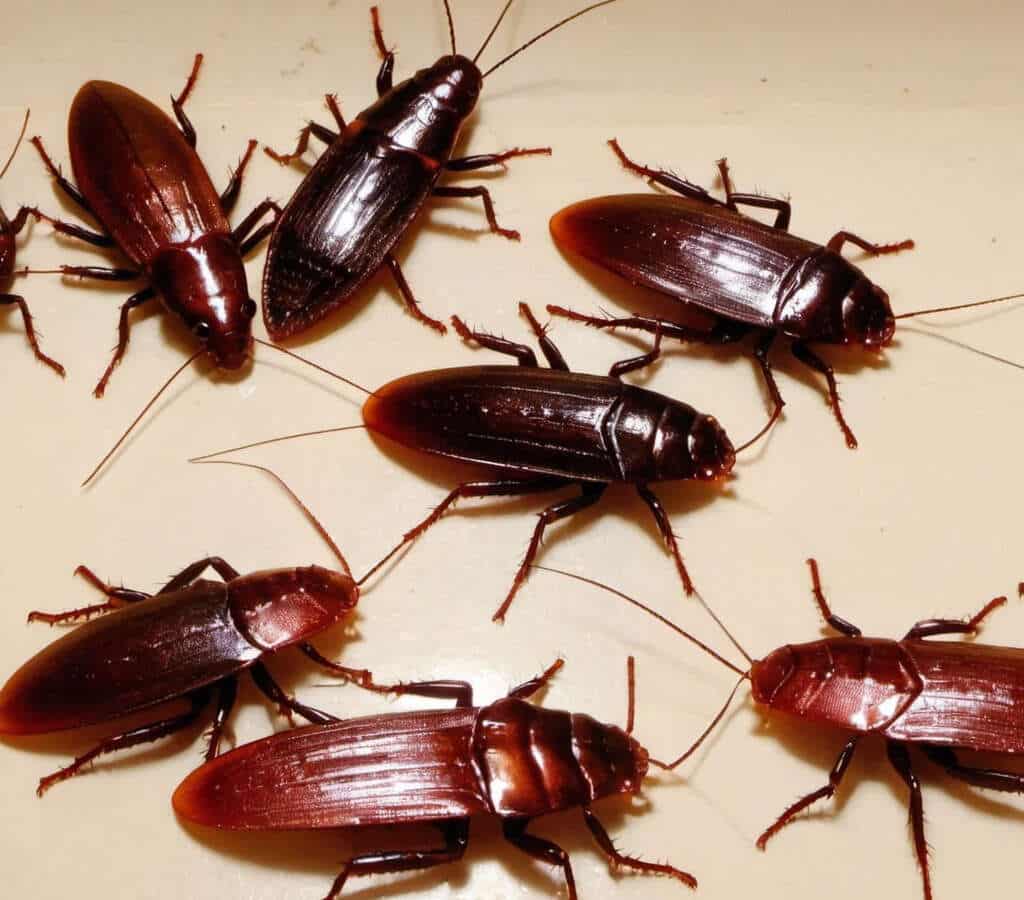
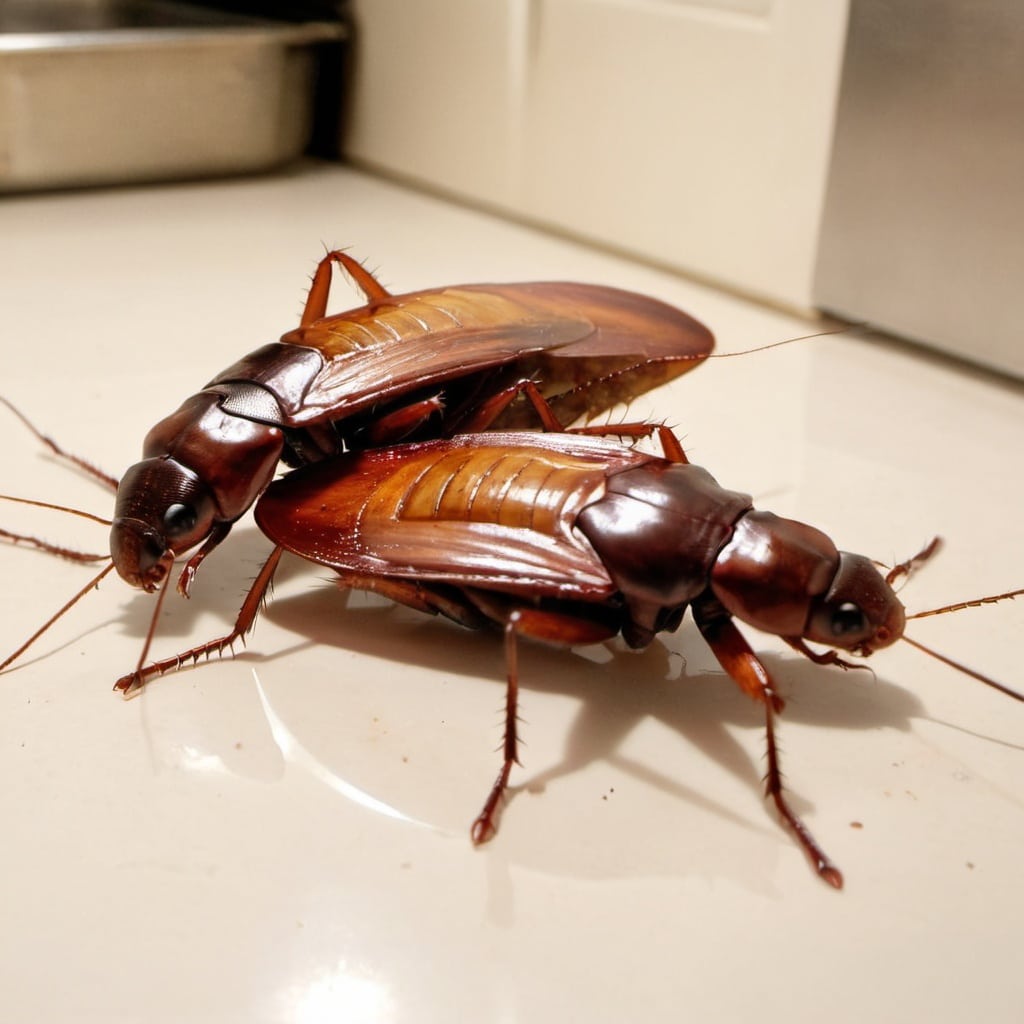
The roach’s head houses vital sensory organs and mouthparts. Equipped with compound eyes, roaches have excellent peripheral vision, which helps them detect movement and avoid predators. They also possess two antennae that are highly sensitive, assisting in navigation, sensing food sources, and detecting environmental cues.
The mouthparts are adapted for chewing, allowing them to consume a wide variety of organic materials. These include bread, decaying matter, and even glue or paper, which explains their reputation as scavengers.
2. Thorax
The thorax is the middle section of the roach’s body and is divided into three segments. It bears three pairs of legs, which are powerful and spiny, enabling rapid movement and climbing. The legs also have sensory hairs that help roaches sense their terrain.
Additionally, the thorax supports two pairs of wings in some species, though not all roaches are capable of flight. The wings are folded over the body when not in use and can be extended for short flights or gliding.
3. Abdomen
The abdomen makes up most of the roach’s body and contains vital organs, including the digestive and reproductive systems. It is flexible and segmented, facilitating movement and expansion, especially after feeding.
One notable feature is the presence of the cerci—paired, sensory appendages at the rear of the abdomen. These help detect air movements and vibrations, alerting the roach to nearby threats.
Unique Adaptations for Survival
Roaches have several anatomical features that contribute to their resilience:
- Exoskeleton: Their tough, chitinous exoskeleton provides protection against physical damage and dehydration.
- Segmented Body: Allows flexibility and agility in tight spaces.
- Respiratory System: They breathe through a network of spiracles—tiny openings along the sides of their body—allowing efficient gas exchange even in low-oxygen environments.
Why Understanding Roach Anatomy Matters
Knowing the anatomy of roaches is crucial for effective pest control. For example, understanding that they can hide in small crevices and are capable of climbing walls emphasizes the importance of thorough inspections and targeted treatments. Additionally, recognizing their ability to reproduce rapidly helps in planning timely interventions.
If you’re dealing with a roach infestation, it’s best to consult professionals like Broken Arrow Pest Control, who have the expertise to identify the species and apply appropriate control measures. We utilize an understanding of roach behavior and anatomy to develop comprehensive pest management plans.
Further Learning
For those interested in the science behind insect anatomy, reputable sources such as The University of California’s Division of Agriculture and Natural Resources and Penn State’s Department of Entomology provide extensive resources on insect biology and pest management.
Final Thoughts
Roaches are fascinating creatures with complex anatomies that enable their survival in challenging environments. By understanding their body structure, homeowners and pest control professionals can better tackle infestations. Remember, if you’re facing a roach problem, Broken Arrow Pest Control is here to help. Our team uses knowledge of pest anatomy and behavior to deliver effective, safe, and environmentally responsible pest control solutions.
Disclaimer: This blog post is for informational purposes only. For professional pest management assistance, always contact licensed pest control experts like Broken Arrow Pest Control.