

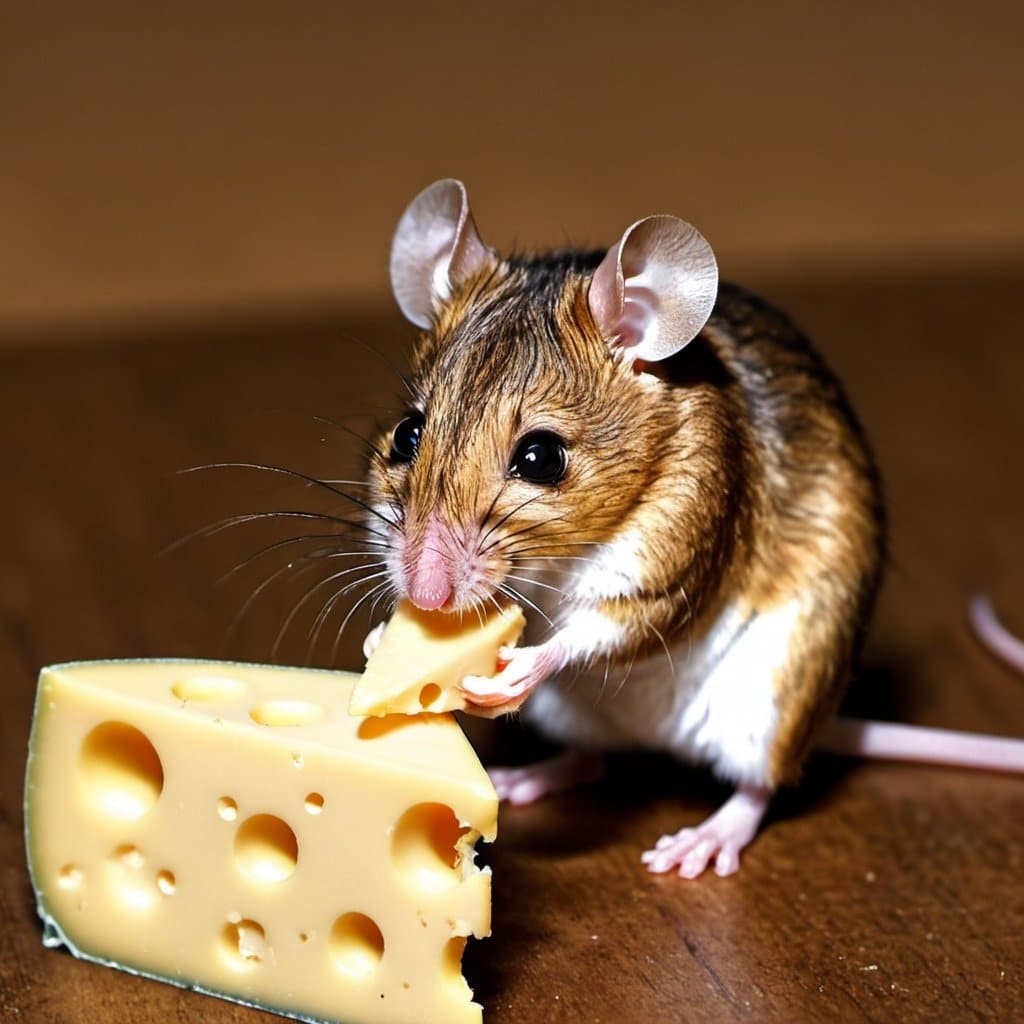

A mouse in the kitchen or a rat around the garage can be more than an unpleasant surprise. Rodents are persistent animals that can take advantage of small structural gaps, stored food, clutter, and quiet nesting areas. They can remain out of sight while leaving droppings, damaging materials, and contaminating food-storage spaces. Effective rodent management begins with figuring out how the animals are entering and what is allowing them to stay. A Broken Arrow Pest Control company can combine inspection, exclusion, sanitation, trapping, and monitoring into a plan for the property.
Homeowners often notice rodents indirectly before seeing the animal itself. Droppings may appear in cabinets, drawers, garages, attics, or along walls. Food packages may have gnaw marks. Pets may suddenly become interested in a cabinet or appliance. Scratching or movement may be heard after the house becomes quiet. None of these signs should be considered in isolation, but together they can help locate active areas.
House mice are particularly good at using small openings. Their size allows them to enter gaps around pipes, utility lines, door frames, garage doors, siding, foundations, and other building components. A gap that seems insignificant to a homeowner can be a usable route for a mouse. This is why rodent inspections involve more than looking for a large hole in the wall.
Rats require larger openings but bring their own challenges. Norway rats are powerful burrowers and are often associated with ground-level areas, while roof rats are excellent climbers. Depending on the species and property, activity may be concentrated near foundations, crawl spaces, attics, rooflines, trees, fences, or utility routes. Identifying the rodent helps prevent wasted effort in areas the animal is not using.
Oklahoma State University Extension describes exclusion, sanitation, and trapping as important parts of house-mouse control. The first step in prevention is reducing access. Exterior doors should close properly, and worn sweeps or damaged seals should be repaired. Garage doors deserve special attention at the bottom corners. Openings around plumbing, electrical lines, HVAC components, vents, and other penetrations should be inspected. Roof edges, soffits, crawl-space vents, and foundation transitions can also contain gaps.
Exclusion materials have to withstand rodent pressure. Filling a hole with a soft material that can be chewed may provide only temporary results. Depending on the location, durable repairs can involve metal flashing, hardware cloth, appropriate sealants, mortar, or other building materials. Repairs should be suited to the construction and should not block required ventilation or drainage. Professional inspection can help identify which openings are actually relevant.
Food management is the next major part of prevention. Rodents are opportunistic feeders. Pet food, bird seed, grass seed, pantry goods, snacks, garbage, and spilled material can all become food. Store vulnerable products in sturdy containers with secure lids. Clean beneath appliances and shelving where crumbs accumulate. Avoid leaving pet food available overnight when rodent activity is suspected.
Garbage should be managed carefully indoors and outdoors. Trash containers should close properly, and spilled material should be cleaned. Outdoor feeding of pets or wildlife can create additional pressure around a structure. Bird feeders can also produce seed on the ground that attracts rodents. Homeowners do not necessarily have to eliminate every outdoor activity, but they should understand when a food source is supporting the problem.
Clutter creates shelter. Cardboard boxes, paper, fabric, stored belongings, and crowded garage areas can provide protected places for rodents to travel or nest. Reducing clutter improves visibility and allows traps or monitoring devices to be placed where they can be checked. Storage items can be elevated or organized so the edges of rooms and walls remain accessible for inspection.
Vegetation around the structure can affect rodent access. Dense shrubs against the foundation provide cover, and climbing rodents can use branches or vines to reach higher portions of a building. Trimming vegetation away from walls and rooflines can reduce concealed travel routes and make structural openings easier to see. Outdoor storage piles should also be kept organized and, when practical, away from the building.
Once rodents are inside, trapping is often an important control method. Trap selection depends on the species, location, and occupants of the building. Placement matters as much as the device itself. Rodents frequently travel along walls and protected edges, so traps should be positioned according to signs of activity. In homes with children or pets, trap placement and protective enclosures may be necessary for safety.
Rats may be cautious around unfamiliar objects, which can make control take longer. Moving traps repeatedly or placing them without regard to travel patterns can reduce success. Monitoring droppings, rub marks, gnawing, tracks, and feeding activity helps identify where devices should remain. A consistent plan is usually more useful than randomly changing methods every day.
Rodenticides are another tool, but they are not appropriate for careless use. Labels contain legally required directions for application and safety. Products must be stored and placed to reduce access by children, pets, wildlife, and other non-target animals. A professional may determine that baiting is useful in a particular situation, while another property may be better handled primarily with trapping and exclusion.
The CDC recommends safe methods for cleaning areas contaminated by rodents. Homeowners should also be careful when cleaning rodent-contaminated areas. Rodent urine and droppings can carry germs. Sweeping or vacuuming dry droppings can stir particles into the air. Appropriate cleaning involves ventilating when applicable, wetting contaminated material with a suitable disinfectant, allowing contact time, and removing the material according to public-health guidance. Gloves and proper hygiene are important.
If rodents have entered stored food, contaminated packages may need to be discarded. Hard, intact containers can sometimes be cleaned and disinfected appropriately, while chewed or exposed food should not be consumed. Kitchens, pantries, restaurants, and food-storage areas deserve special attention because preventing contamination is just as important as removing the animal.
Water and moisture sources can support rodent activity too. Repair leaking plumbing and investigate recurring moisture. Pet water, condensation, and other sources may contribute depending on the species and food available. Moisture correction also reduces conditions favorable to many other pests, so it is useful general maintenance.
After the initial control work, monitoring tells you whether the plan is working. Fresh droppings, new gnawing, trap activity, sounds, and sightings should decline. Old evidence should not automatically be mistaken for current activity. Cleaning accessible droppings safely after documentation can make it easier to recognize new signs during follow-up.
Rodent prevention is ongoing because the animals outside do not disappear when the ones inside are removed. Weather, construction, landscaping changes, and worn building materials can create new entry opportunities. Periodic inspection of door seals, utility penetrations, vents, rooflines, and foundation areas helps catch problems before rodents establish another nesting site.
A professional rodent service should look beyond simply placing a few traps. The technician should evaluate evidence, likely entry routes, food and water sources, nesting areas, and exterior conditions. Recommendations may include repairs or sanitation steps the homeowner can complete. The best results come when the customer and pest professional address the same problem from both sides.
TermMax Pest Control can help when mice or rats are showing up in your Broken Arrow property. A Broken Arrow Pest Control company can inspect the structure, identify areas that need attention, and develop a control plan based on the actual signs present. Whether the issue begins in a garage, attic, pantry, crawl space, or another area, finding the source is more useful than reacting to individual sightings.
If you are hearing movement in walls, finding droppings, seeing chewed packages, or noticing other rodent evidence, do not ignore it. Rodents are easier to address when the problem is identified early and entry conditions are corrected. Contact TermMax Pest Control for help evaluating the property and putting together a practical rodent-control and prevention plan.
Follow-up is also important after the first service. Rodent activity can change as animals are removed and entry points are corrected. Keeping notes about fresh droppings, sounds, sightings, or trap activity helps show where pressure remains. Homeowners should avoid moving monitoring devices without a reason, because consistent placement makes changes easier to evaluate. A Broken Arrow Pest Control company can use that information during follow-up to decide whether additional exclusion, sanitation, trapping, or monitoring is appropriate. The goal is steady reduction of activity followed by prevention, not simply a temporary period without a sighting. Careful inspection and consistent follow-up help keep rodent control
Follow-up