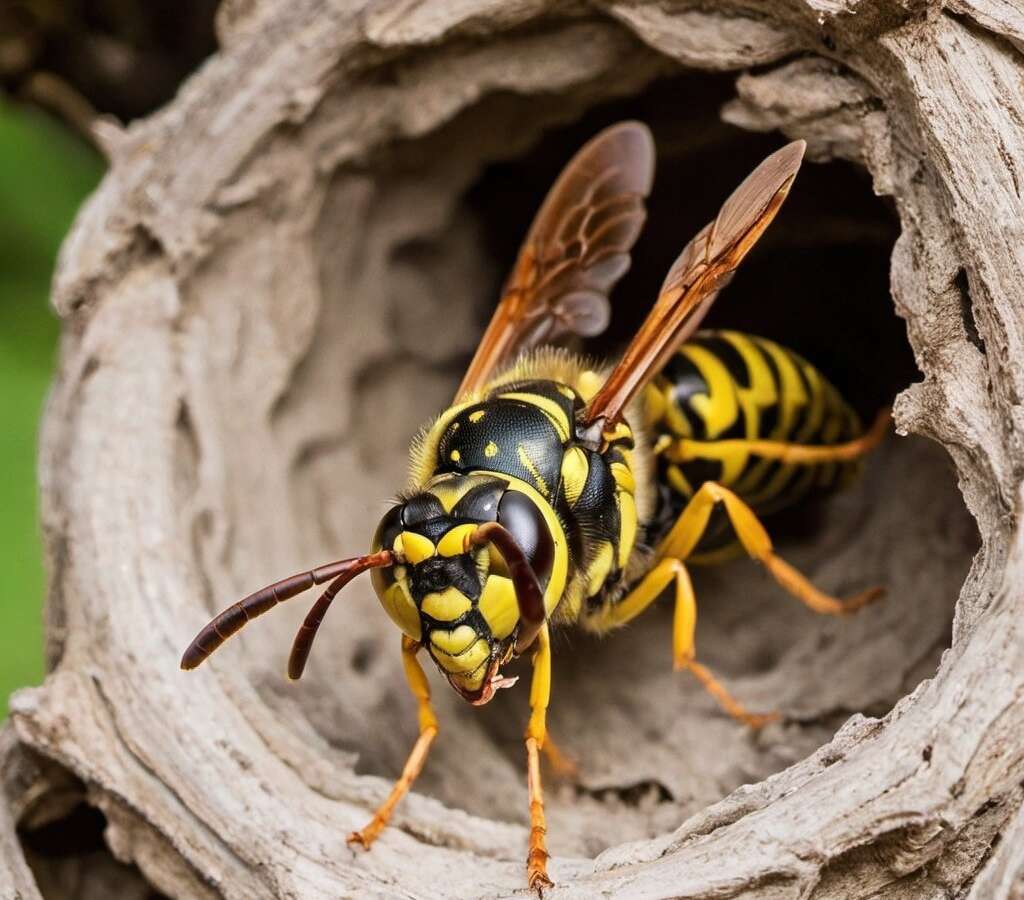

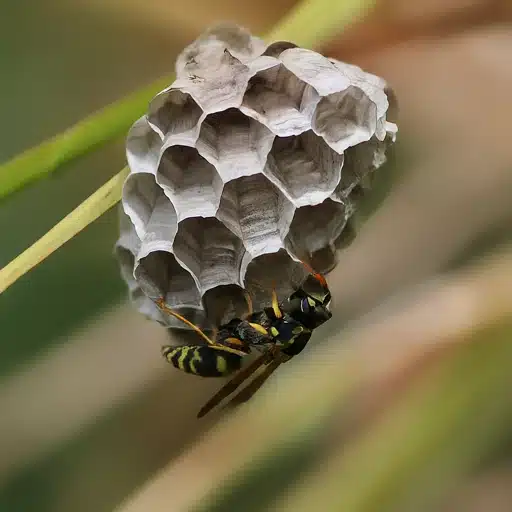

Wasps are stinging insects that can cause a lot of issues if they’re in and around your house. These insects are fierce hunters, and some will protect their nests if you get too close. While they can be a nuisance and a pest, many wasps also help pollinate plants and control other insects. It’s important that we recognize their benefits as well.
If you think you’re having a problem with wasps or any other pests, it’s important to call a Tulsa exterminator. Let’s take a look at wasps and how they operate.
Social Wasps and Solitary Wasps
Wasps usually fall into two categories: social wasps and solitary wasps. The difference is how they live and care for their young. Social wasps live in colonies, with multiple adults cooperating to raise young and defend the nest. Solitary wasps generally work independently rather than forming a colony.
A cell is a small compartment where an egg develops into a young wasp. Both social and solitary wasps can build nests with multiple cells, so the number of cells alone doesn’t tell you which type you’re dealing with.
An example of a social wasp is a paper wasp. An example of a solitary wasp is a mud dauber. Paper wasps may aggressively defend a nest if they feel threatened. Mud daubers are generally less likely to sting and do not typically defend their nests in the same way.
When a Wasp Nest Is Too Close to Home
It’s important to keep away from a wasp nest if you can. If wasps build a nest close to your home, such as on a porch, near a play area, or under a soffit by an entry or exit, contact a Tulsa exterminator to deal with these insects. A pest control professional can identify the wasps and decide whether treatment or nest removal is needed, using appropriate equipment and products.
For additional guidance about stinging insects, see Oklahoma State University Extension and EPA’s safe pest control resources.
Call TermMax Pest Control
TermMax Pest Control can help you handle wasp problems safely and effectively. Call us today if you’re having an issue.