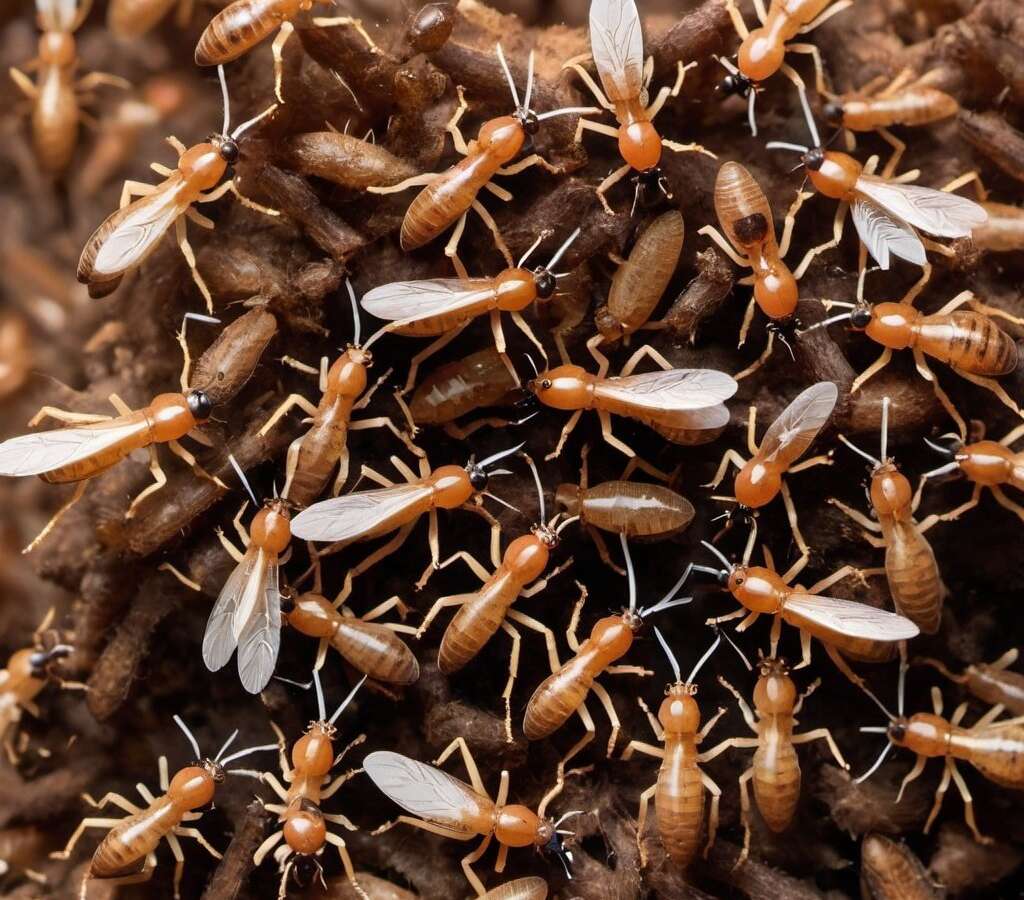

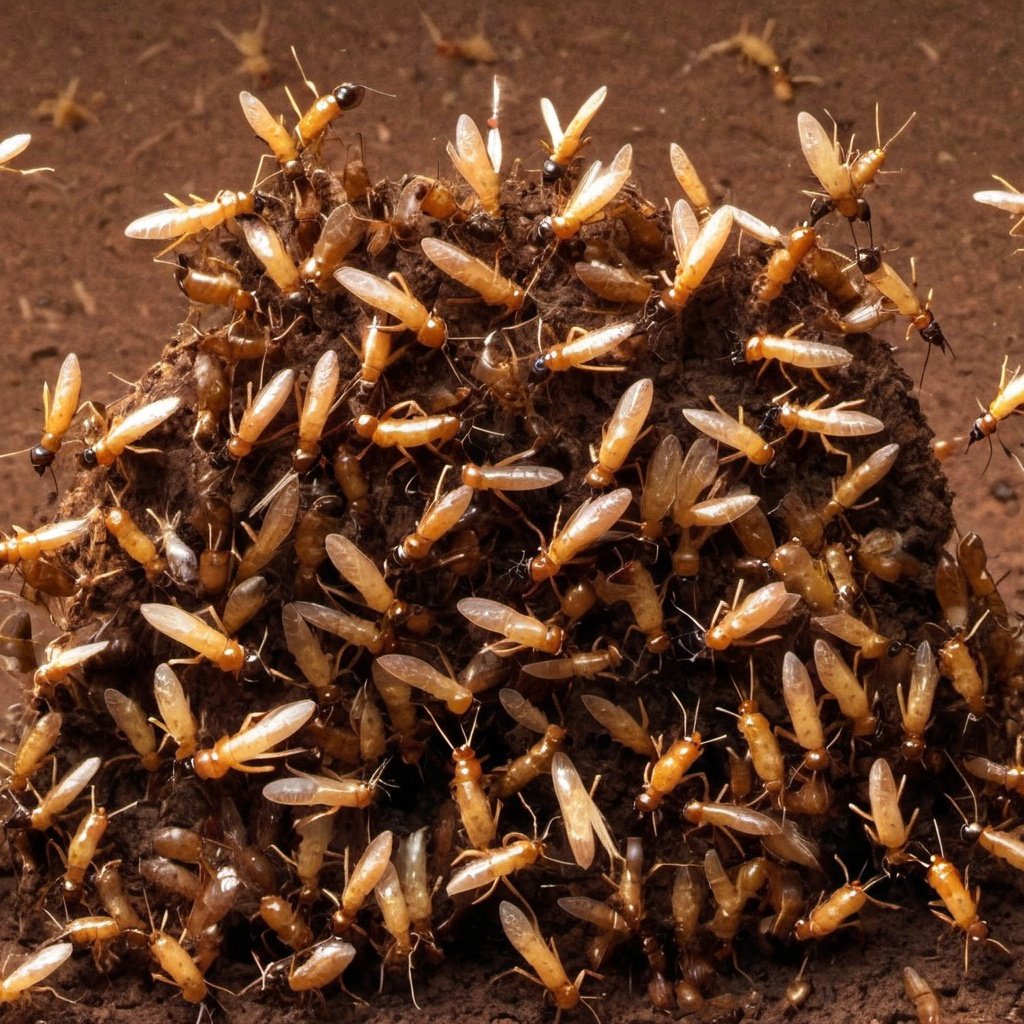

Termites are a problem for anyone who owns a building. Whether you own a house or another structure, these insects can get inside and damage its structural integrity. They consume wood, including beams and studs that help support your building. That’s why it’s important to contact a good Tulsa Pest Control company if you think termites are present. Let’s take a look at how termites operate.
Termites develop through incomplete metamorphosis and live in colonies with different castes that divide the work. The queen lays eggs, and young termites hatch and develop through several molts, shedding their outer covering as they grow. Their developmental paths can differ depending on the species and the needs of the colony. Some become workers, others soldiers, and some develop into reproductives. These castes have different responsibilities that help the colony survive.
Termites depend on microorganisms in their digestive systems to help break down cellulose in wood. When termites molt, they may lose some of these microorganisms and need to replenish them. They can obtain them from other colony members through trophallaxis, which involves exchanging food or gut contents. In some termites, this includes feeding on material passed from another termite’s hindgut. This exchange helps maintain the microorganisms that allow them to digest their food.
Workers make up a large part of many termite colonies. They build mud tubes, care for the young, forage for food, and perform other jobs that keep the colony functioning. Soldiers have enlarged heads and specialized jaws that help defend the colony. When the colony is threatened, soldiers can confront intruders while workers repair or block damaged passages. Some soldiers can use their heads to obstruct narrow tunnels. Reproductive termites, including the queen and king, help maintain the colony’s population.
If you think you’re having a termite problem, it’s important to arrange an inspection with a good Tulsa Pest Control company. If termites are found, two common treatment options are liquid treatments and termite bait station systems. With a liquid treatment, a pest control professional applies a registered termiticide in designated areas around or beneath the structure to help protect it from subterranean termites. A bait station system places stations around the property where termites may encounter bait and carry the active ingredient back into the colony.
Both approaches can be effective when properly selected, installed, and maintained. Costs vary depending on the building, the treatment plan, and the provider. Bait systems generally require ongoing monitoring and servicing, and some providers offer renewable service agreements. Liquid treatments may also come with warranties or renewal options, but their terms and duration depend on the product and company. Your pest control professional can explain which option makes sense for your building and what the coverage includes.
If you’re having a problem with termites or any other insects, it’s time to call a good Tulsa Pest Control company. TermMax Pest Control can help you deal with termite problems and discuss the treatment options available. Call us today.