

Understanding Termite Dust: What Homeowners Need to Know with Help from a Broken Arrow Exterminator
Termite infestations are one of the most insidious pests homeowners face. These tiny insects can silently cause extensive damage to wooden structures, furniture, and even the foundation of a home. While many are familiar with the visible signs of termites—like mud tubes or damaged wood—there’s another less obvious clue that can help detect an infestation early: termite dust. Understanding what termite dust is, how it forms, and when to seek professional help, such as from a trusted Broken Arrow Exterminator, can save homeowners from costly repairs and health issues.
What Is Termite Dust?
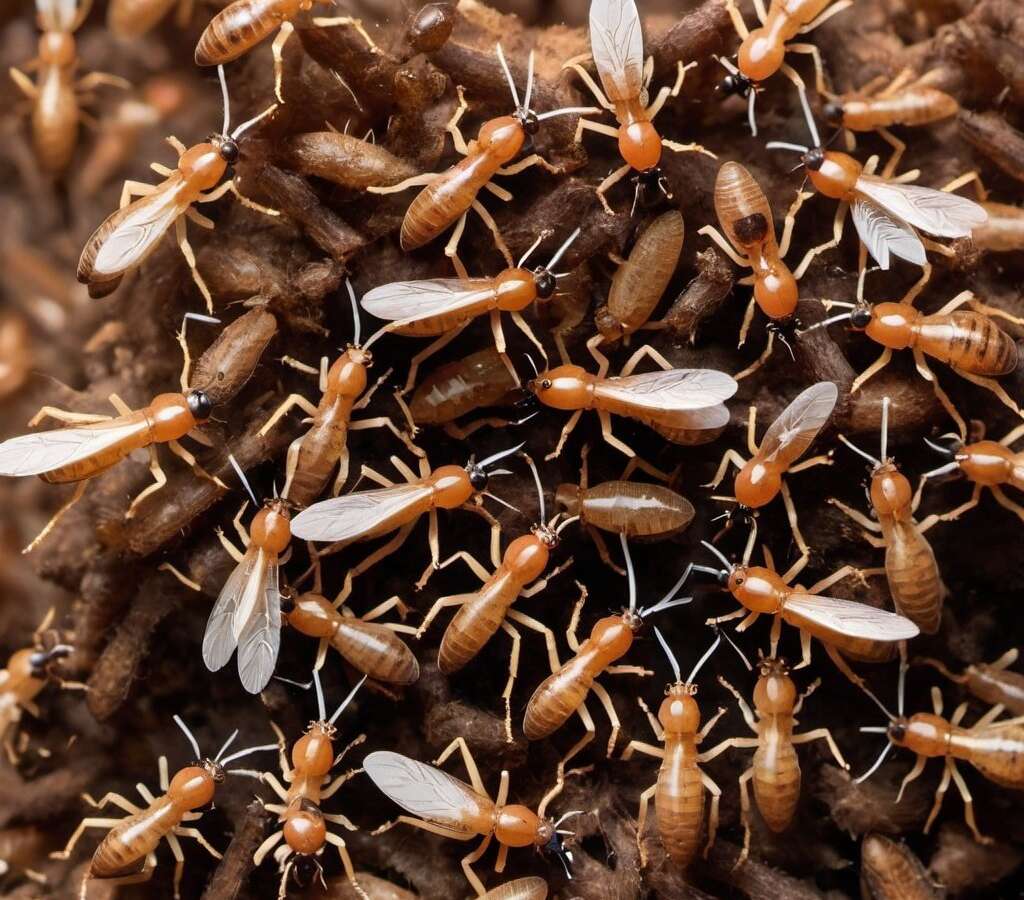
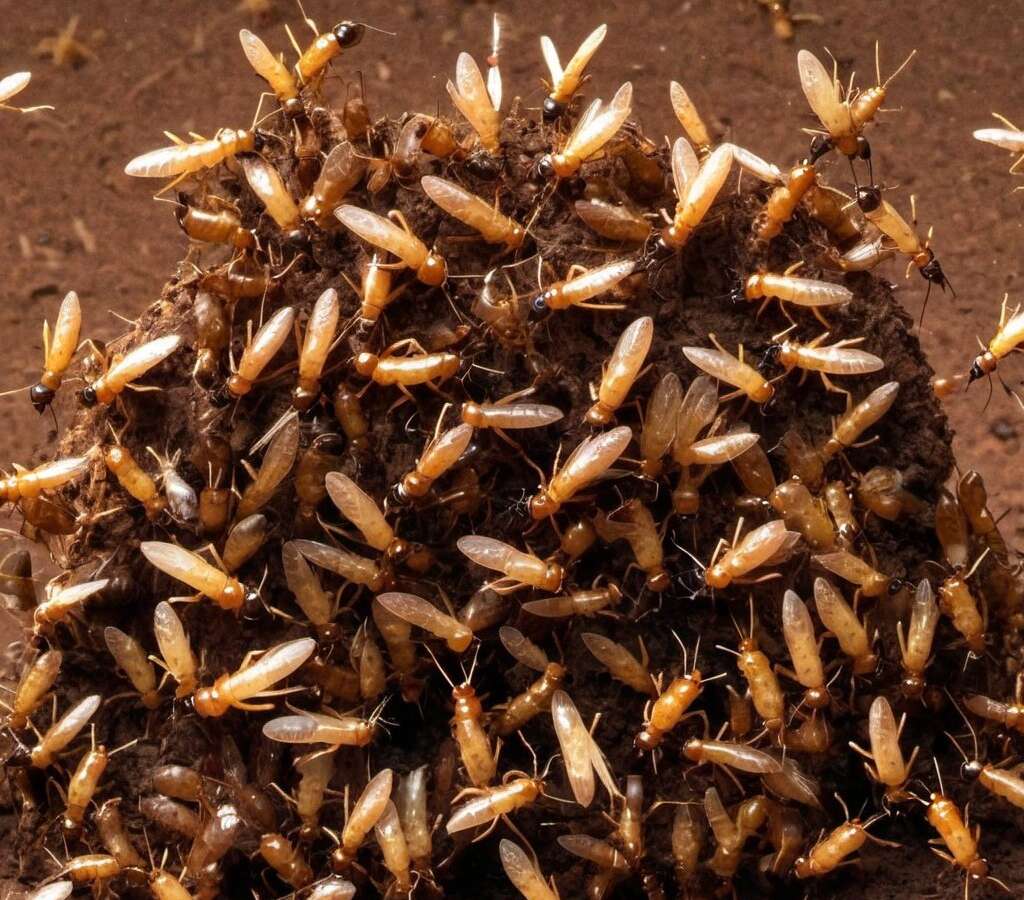
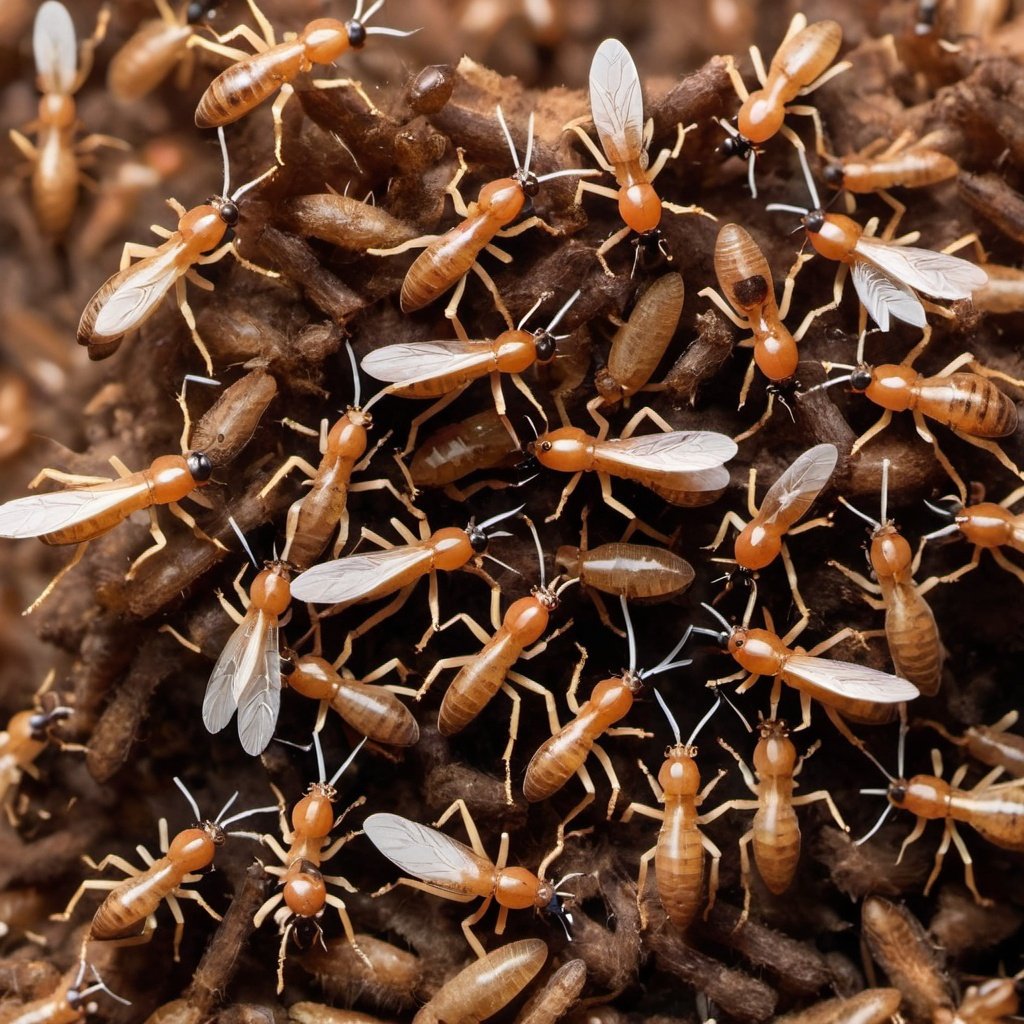
Termite dust, also known as frass, is a fine, powdery debris produced by termites as they tunnel and feed within wooden structures. Unlike typical sawdust, termite dust is often a mix of tiny wood particles, termite feces, and shed exoskeletons. This dust can accumulate in small piles near termite entry points, cracks, or holes in wood, windowsills, or wall voids.
The presence of termite dust is a strong indicator of an active infestation, especially if you notice it in conjunction with other signs like hollow-sounding wood or discarded wings. Because drywood termites tend to create their galleries within the wood they infest, the dust often appears directly beneath or around these areas.
How Does Termite Dust Form?
Termites are social insects that live in colonies. As they consume wood and other cellulose materials, they produce frass as a byproduct of digestion. Drywood termites, in particular, push this waste out of their galleries through small holes, creating visible piles of dust. This process not only signifies ongoing activity but also helps the colony maintain a clean nesting environment, much like how some insects remove waste from their colonies.
Unlike subterranean termites that often leave mud tubes outside, drywood termites are more likely to leave behind termite dust within the wood or near small exit holes. Recognizing this dust can help homeowners catch an infestation early before it causes significant structural damage.
Why Is Termite Dust Important to Recognize?
Detecting termite dust can be crucial in early diagnosis. If you notice small piles of fine, wood-colored dust near baseboards, window frames, or in attic spaces, it’s a warning sign of potential drywood termite activity. Ignoring these signs can lead to extensive damage, which might require costly repairs or even structural replacement.
Furthermore, some people might mistake termite dust for other household debris or dust, so knowing what to look for is essential. The dust produced by termites is usually uniform in color and consistency, unlike general household dust, which contains fibers, lint, and dirt.
When Should You Call a Broken Arrow Exterminator?
If you suspect termite activity based on the presence of termite dust or other signs, it’s time to contact a professional. A Broken Arrow Exterminator has the expertise and tools to accurately diagnose the problem and recommend appropriate treatment options. Early intervention can prevent further damage and ensure the safety of your home’s structure.
Professional exterminators often perform thorough inspections, utilizing tools like moisture meters, borescopes, and even laboratory analysis of dust samples for accurate identification. Once confirmed, they can implement targeted treatments such as fumigation, baiting systems, or localized insecticide applications.
Preventative Measures and Education
Prevention is always better than cure. Regular inspections, especially in areas prone to termite activity, can help catch issues early. Homeowners can also reduce wood-to-ground contact, fix leaks, and eliminate wood debris around the property to make their homes less attractive to termites.
For more detailed information on termite behavior and control methods, you can visit educational resources like University of California’s Division of Agriculture and Natural Resources or Oregon State University’s Extension Service. These sites offer comprehensive guides on pest management and prevention strategies.
Final Thoughts
Termite dust might seem insignificant, but it plays a vital role in detecting early signs of termite infestation. Recognizing this debris and understanding its implications can help you take swift action to protect your home. If you notice signs of termites or termite dust, don’t hesitate to contact a reliable Broken Arrow Exterminator. Their professional expertise can ensure your home remains safe, sound, and free from these destructive pests.
Disclaimer: Always consult with licensed pest control professionals for accurate diagnosis and treatment plans tailored to your specific situation.