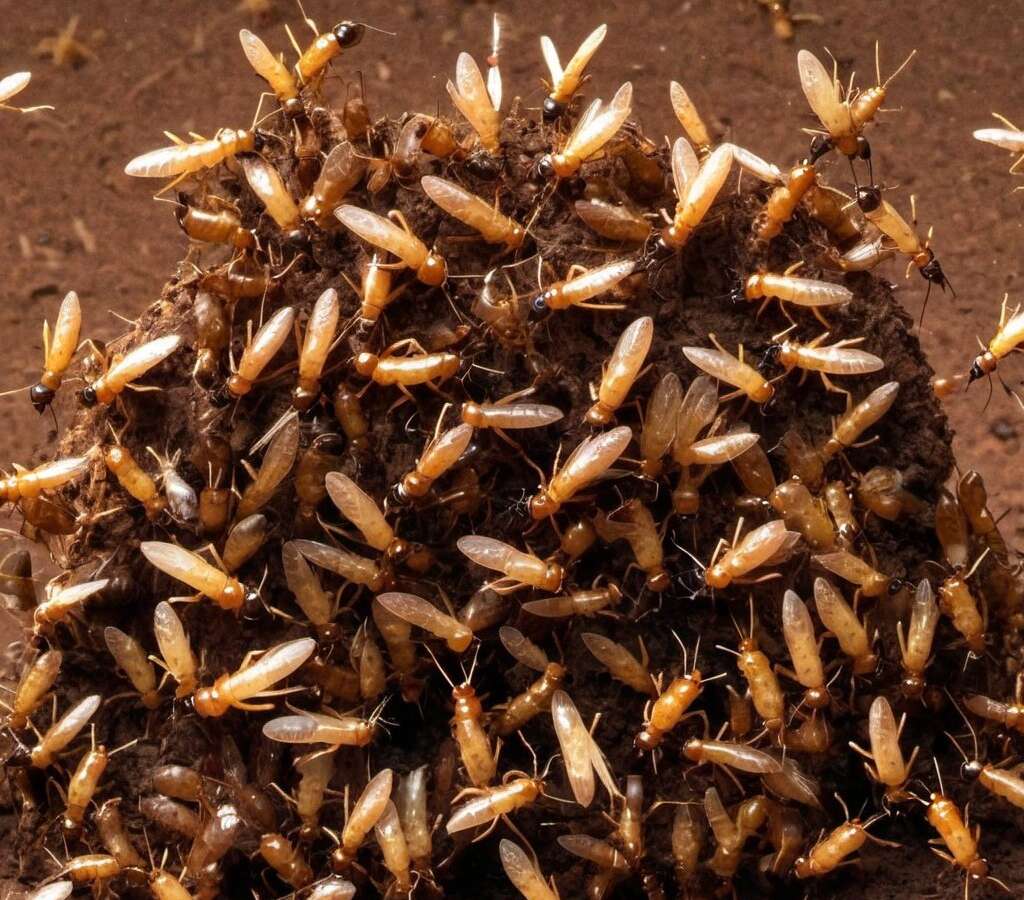

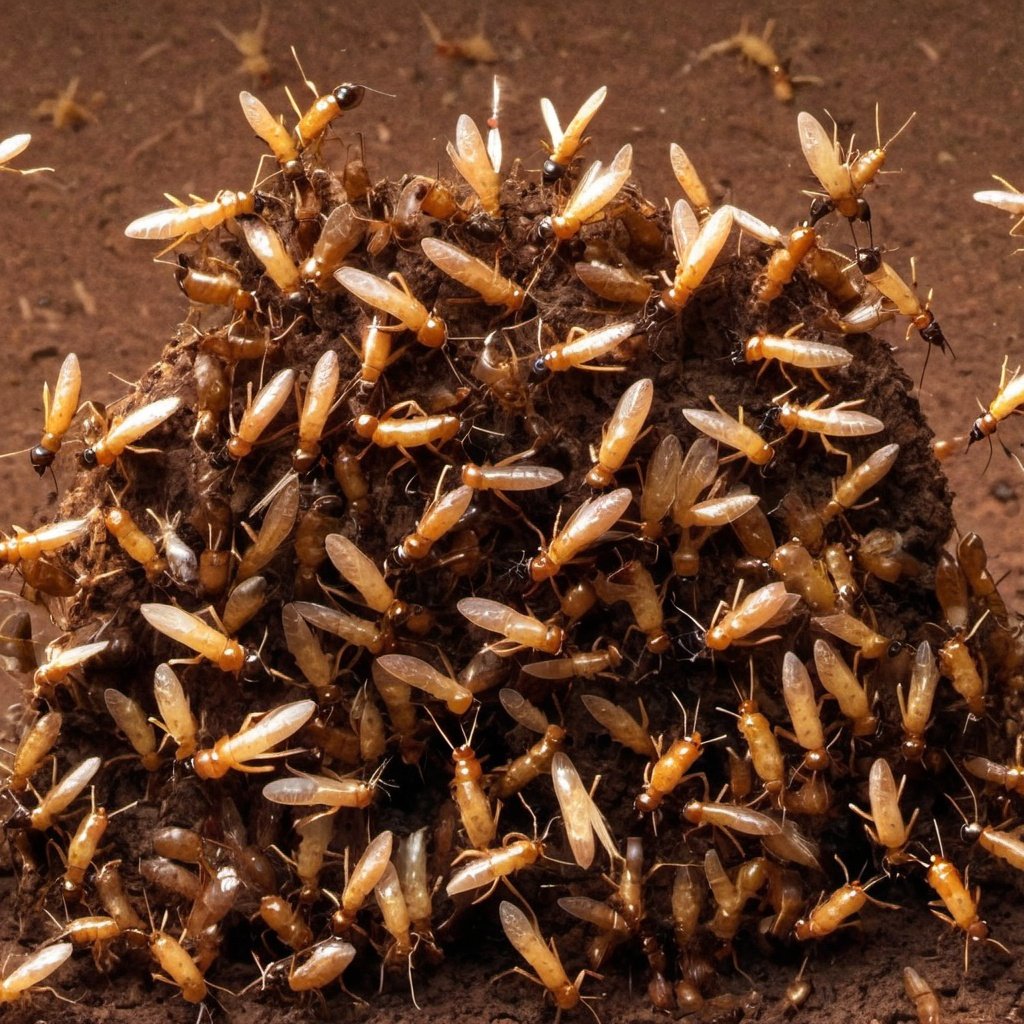

Understanding Termite Feelers: An Insight from Broken Arrow Exterminator
Termites are among the most destructive pests homeowners can encounter. Often referred to as “silent destroyers,” these insects can cause significant structural damage before their presence is even detected. One fascinating aspect of termite biology that plays a crucial role in their survival and behavior is their set of feelers, also known as antennae. If you’re concerned about termite activity and want expert assistance, a trusted resource like Broken Arrow Exterminator can help you identify and address these pests effectively.
What Are Termite Feelers?
Termites have a pair of long, segmented antennae that extend from their heads. These feelers serve multiple essential functions, primarily sensory perception. They are akin to the “noses” and “hands” of the termite, allowing them to navigate their environment, detect food sources, and communicate with other colony members.
Unlike many insects that rely heavily on sight, termites primarily depend on their feelers to explore their surroundings. These antennae are highly sensitive to touch, vibrations, and chemical signals (pheromones), making them vital for locating food, identifying colony members, and avoiding danger.
The Role of Feelers in Termite Behavior
Termite feelers are critical for their survival. When foraging, worker termites use their antennae to feel their way through tunnels and detect chemical cues that signal the presence of wood or other cellulose materials. This sensory information helps them efficiently locate food sources without the need for sight.
Furthermore, termite feelers play a significant role in their communication system. Pheromones released within the colony convey important information such as the location of food, the presence of threats, or the need for reproductive activity. The antennae pick up these chemical signals, enabling termite workers and soldiers to respond appropriately.
In addition to foraging and communication, feelers assist in colony maintenance behaviors like grooming and nest building. They also help termites detect vibrations or movements that could indicate danger, prompting defensive actions.
Recognizing Signs of Termite Activity
Understanding the significance of termite feelers underscores the importance of early detection. While you can’t see the feelers themselves without close inspection, signs of termite activity often correlate with the presence of these insects’ sensory operations.
Some common indicators include:
- Mud Tubes: Termites build mud tubes for protection while traveling between their colony and food sources. These tubes often run along foundation walls, pipes, or wooden structures.
- Wood Damage: Hollowed or blistered wood indicates termite feeding.
- Discarded Wings: Swarmers shed their wings near entry points.
- Blistering Paint or Fine Cracks: These can be signs of internal termite activity.
If you notice any of these signs, it’s crucial to consult a professional like Broken Arrow Exterminator to assess and treat the problem swiftly.
How a Broken Arrow Exterminator Can Help
Professional pest control services are your best line of defense against termite infestations. Broken Arrow Exterminator employs advanced inspection techniques to detect termite activity early and accurately. Their expertise includes identifying signs related to termite behavior, including activity associated with termite feelers’ functions, such as movement or pheromone trails.
Using methods like moisture detection, thermal imaging, and detailed inspections, they can locate hidden colonies before significant damage occurs. Moreover, they recommend integrated treatment plans tailored to your specific situation, whether that’s baiting systems, liquid treatments, or fumigation.
Prevention Tips
While professional help is essential, homeowners can also take steps to prevent termite infestations:
- Reduce wood-to-ground contact around your property.
- Keep gutters and drainage systems clear to prevent moisture buildup.
- Fix leaks promptly to reduce humidity that attracts termites.
- Remove wood debris, stumps, or old tree roots near your home.
For more detailed information on termites and prevention strategies, resources from universities like University of Florida’s Entomology Department and Texas A&M University’s Forest Science Department provide comprehensive guides.
Final Thoughts
Termite feelers are a vital part of how these insects navigate, communicate, and survive. Recognizing the importance of these sensory organs can help homeowners better understand termite behavior and the subtle signs of an infestation. If you’re concerned about termites or suspect an active colony, reaching out to professionals like Broken Arrow Exterminator ensures effective detection and treatment, protecting your home from costly damage.
Don’t wait until it’s too late—early intervention is key. Contact Broken Arrow Exterminator today for a thorough inspection and peace of mind. Remember, when it comes to termites, knowledge is power, and professional assistance makes all the difference.