

Understanding Termite Feelers: The Key to Detecting and Preventing Infestations with Broken Arrow Pest Control
Termites are often called the “silent destroyers” because of their ability to cause significant structural damage before homeowners even realize there’s a problem. One of the most fascinating aspects of termite behavior is their use of feelers—also known as antennae—to navigate their environment, identify food sources, and communicate with colony members. Recognizing the role of termite feelers can be a crucial step in early detection and prevention, and professionals like Broken Arrow Pest Control are experts in managing these pests effectively.
What Are Termite Feelers?
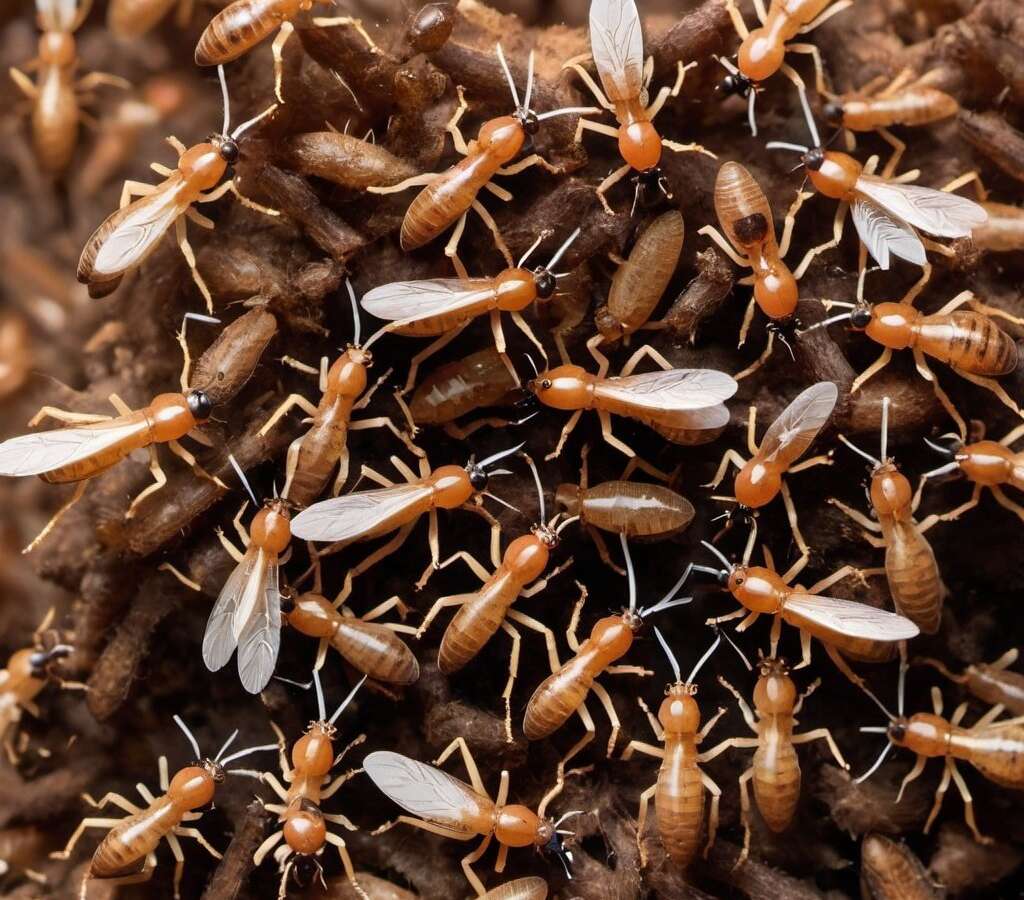
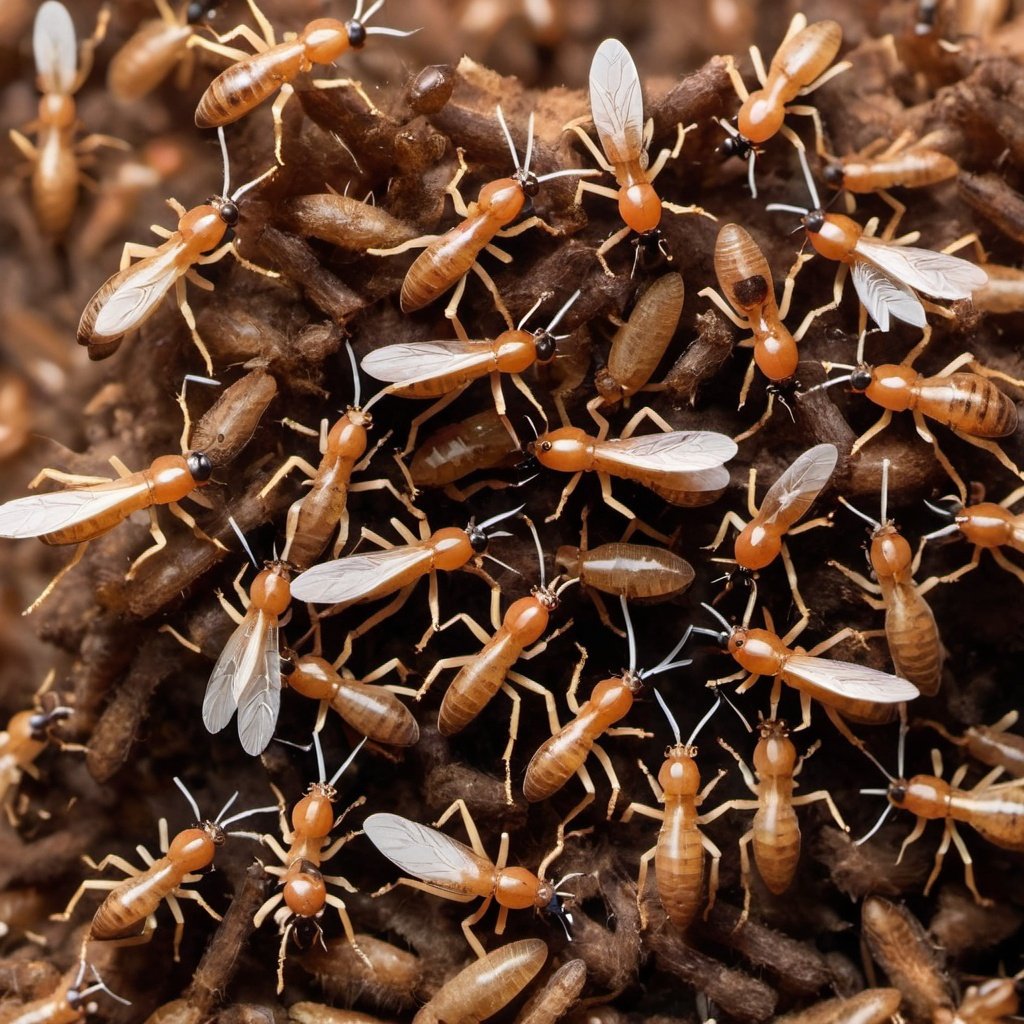
Termite feelers are elongated, flexible antennae protruding from the heads of termites. These sensory appendages are packed with tiny receptors that allow termites to detect chemical signals, vibrations, and physical changes around them. This heightened sensitivity helps them find food, avoid predators, and communicate with other colony members through chemical cues called pheromones.
Unlike their wings or bodies, termite feelers are constantly moving, sweeping back and forth to gather environmental information. Their ability to sense moisture, temperature, and chemical trails makes them indispensable for the termite’s survival and colony cohesion.
The Importance of Feelers in Termite Behavior
Termites rely heavily on their feelers to perform essential tasks:
- Navigation: Feelers help termites traverse complex tunnels within wood or soil, ensuring they reach food sources efficiently.
- Communication: Pheromones released by colony members are detected through feelers, allowing termites to coordinate activities such as foraging or defense.
- Environmental assessment: Detecting moisture levels and chemical signals helps termites choose optimal locations for nesting and food storage.
Understanding these behaviors is vital for pest control professionals and homeowners alike. Recognizing the signs of termite activity—such as mud tubes, discarded wings, and wood damage—can sometimes be linked to the behavior of termite feelers and their role in foraging.
How Termite Feelers Indicate Infestation
While termites are often hidden beneath walls or underground, certain signs can hint at their presence. For example:
- Mud tubes: These are tunnels made from soil and wood particles, often found on exterior walls or foundations. Termites use their feelers to navigate these tubes, searching for wood to feed on.
- Damaged wood: Soft, hollowed-out wood with a honeycomb interior can be a sign of termite activity. The termites’ feelers enable them to locate these weakened areas.
- Winged termites: Swarmers, or alates, use their feelers to navigate during flight. Spotting swarms around your property usually indicates an active colony nearby.
The Role of Broken Arrow Pest Control in Termite Management
Because termite detection can be challenging, consulting professionals like Broken Arrow Pest Control is highly recommended. Their experienced team uses advanced inspection techniques to identify termite activity early, often paying close attention to signs related to termite feelers and their behavior.
Broken Arrow Pest Control employs integrated pest management strategies, including thorough inspections, baiting systems, and targeted treatments to eliminate colonies before they cause extensive damage. Their expertise ensures that your home or business remains protected from these destructive pests.
Preventative Measures and Education
Preventing termite infestations starts with understanding their behavior. Regular inspections, especially in areas prone to moisture buildup or wood-to-ground contact, can help catch activity early. Additionally, reducing wood debris around your property and maintaining proper drainage can make your environment less attractive to termites.
For more detailed information on termite behavior and prevention techniques, consider visiting educational resources like Cornell University’s Department of Entomology or University of Florida’s IFAS Extension. These organizations provide comprehensive guides on termite identification and control methods.
Final Thoughts
Termite feelers are more than just sensory organs—they are vital tools that help termites survive and thrive in their environment. Recognizing their importance can aid homeowners and pest control professionals in early detection and effective treatment. If you suspect a termite problem, don’t wait until structural damage occurs. Contact Broken Arrow Pest Control today for a thorough inspection and reliable termite management solutions. Protect your property from these silent destroyers by understanding their behavior and taking proactive steps to prevent infestation.